post

How Drainage Planning Protects an Outdoor Living Project

Most backyard drainage problems begin well before the first drop of rain hits your yard. They usually trace back to a build that didn’t account for where the water would go.

And once that happens, you’re looking at pooling water on paving, soil erosion through garden beds, and foundation damage that’s expensive to repair. So if you’re planning a patio, pool, fire pit, or garden area, drainage needs to come first.

That’s something we take seriously at Avalon Acres. We design and build outdoor living spaces across Brisbane and South East Queensland, and proper drainage is built into every project from day one.

In this guide, we’ll cover yard grading, clay soil, backyard drainage systems, and patio falls. You’ll also see which drainage solutions keep your backyard protected well after construction finishes.

Why Backyard Drainage Problems Start Before the Build
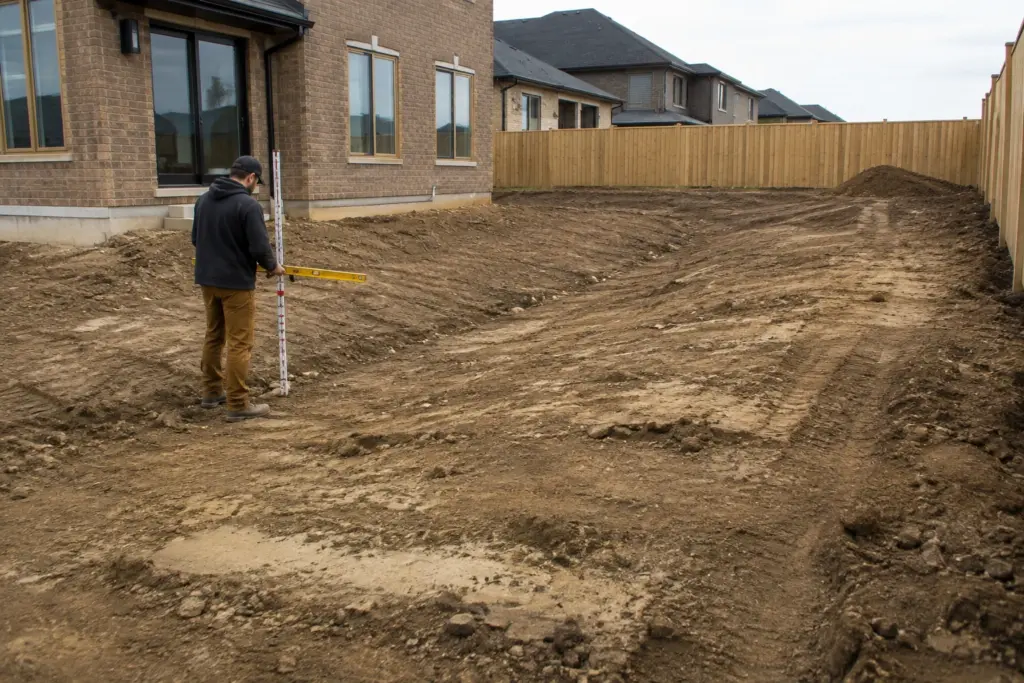
Uneven backyard grading before construction

Most backyard drainage problems come from building outdoor features without planning for water flow first. However, water always finds the lowest point on your property, and without a clear exit route, it pools against footings, under paving, and through garden beds (that’s when foundation damage and soil erosion start).

Before any construction begins, your yard’s slope, soil type, and surface runoff patterns all need to be mapped out. Your patio, pool surround, and landscaping each push water in different directions.

So if these areas aren’t graded and drained correctly, excess water will flood low-lying lawn and garden zones instead.

How Yard Grading Decides Where Water Ends Up

Proper yard grading moves water away from your house, foundations, and outdoor living areas before anything goes wrong. But when the grading is off, runoff pools against retaining walls, floods your lawn, and washes soil out of your garden beds.

So what is yard grading? It refers to the slope of your land and how water flow is directed across the property. Even a fall of 1–2% is enough to keep drainage moving toward stormwater channels, garden drains, or the street.

And this is why grading needs to happen before construction starts. If you lay a patio over poorly graded land, surface water will collect and cause erosion along the edges. Once that’s sorted, the next factor is what’s sitting underneath the surface.

How Clay Soil Affects Your Drainage Systems

If your yard turns into a swamp after heavy rain, clay soil is probably the reason.

And if you’ve ever tried to dig through Brisbane clay after a storm, you already know what we’re dealing with. Most of the properties we work on across Brisbane’s south side and out through Ipswich sit on some version of this.

Here’s how clay compares to other common soil types when it comes to backyard drainage:

Soil TypeDrainage SpeedWater BehaviourWhat It Means for Your Build
ClaySlowHolds water, stays waterlogged, excess water flows sideways instead of soaking inNeeds ag pipes bedded in gravel trenches with sand and organic matter to channel water toward a drain or stormwater point
Sandy/LoamFastAbsorbs and releases water quickly, minimal surface poolingStandard drainage systems usually perform well without major modifications

The soil underneath your backyard affects every drainage decision from the ground up. If you’re building on clay, your drainage systems need to work harder to move water accumulation away from foundations, lawn areas, and paving.

Now, let’s look at the systems that handle grading, clay, and runoff.

Backyard Drainage Solutions That Work With Outdoor Features
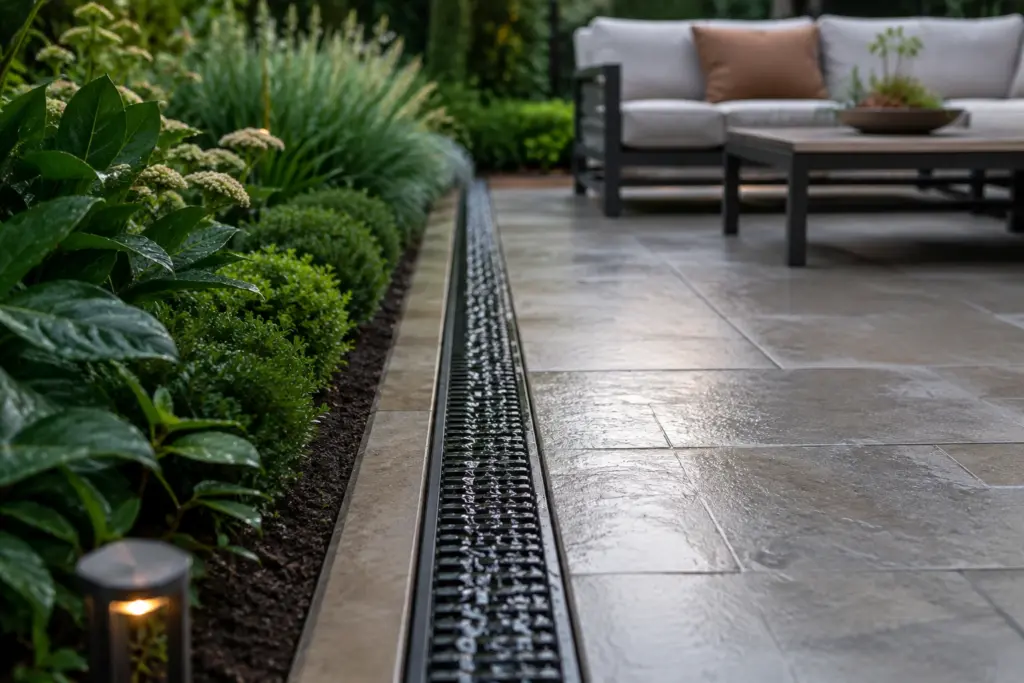
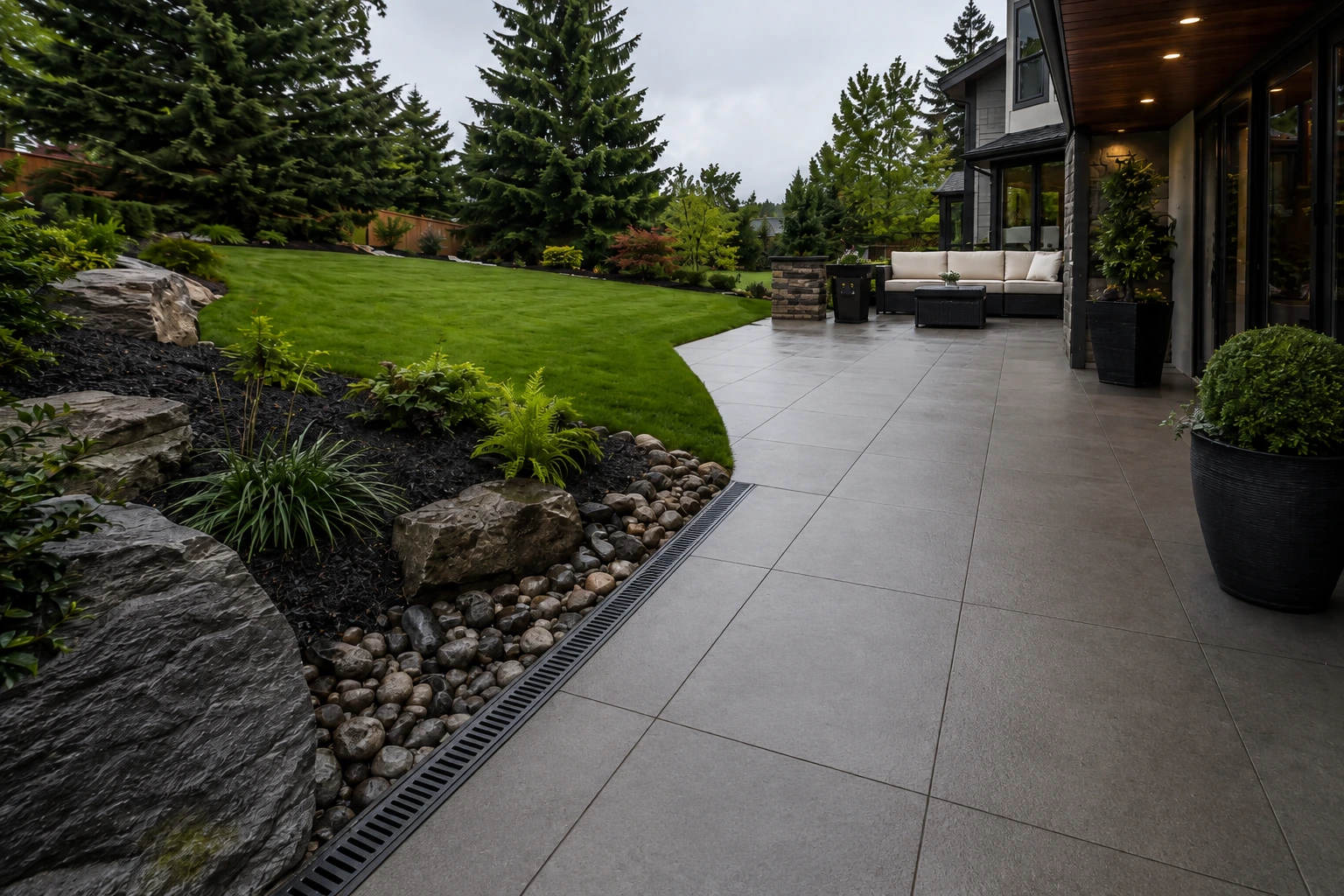
Hidden drain near patio and garden

The backyard drainage solution you need depends on what you’re building. Pools, fire pits, patios, and garden areas all redirect surface runoff in different ways, so each one needs its own drainage approach.

French Drain and Subsurface Options

Frankly, most of the drainage issues we fix come back to not having one of these in the right spot.

A French drain uses a perforated pipe inside a gravel-filled trench lined with geotextile fabric. It sits below ground level and pulls excess water away before it reaches your paving, retaining walls, or landscaping.

You’ll often see them running along fence lines, beside pool surrounds, and through low-lying garden beds. And if you’re digging trenches through clay, fill them with coarse gravel and sand so water can flow freely through the system instead of sitting in the trench.

Stormwater Pits and Dry Well Setups

Some properties can’t rely on surface drainage alone, especially during Queensland’s storm season.

A stormwater pit collects runoff from multiple drain lines and channels it into the council stormwater network. You can learn more about stormwater management on your property through the Australian Government’s YourHome guide.

A dry well takes a different approach. Instead of sending water off-site, it holds runoff underground and lets it slowly soak back into the surrounding soil (a good option when connecting to council infrastructure isn’t practical).

Stormwater pits suit properties that need a direct connection to the storm drain, while dry wells work best in a suitable location where the ground absorbs water on its own.

Downpipe Extensions and Surface Runoff Routes

You’d be surprised how often we see downpipes dumping water right at the base of a house.

Downpipe extensions fix that by carrying rainwater from your roof further away from the foundations. Without them, all that runoff from your gutters pools around your home and soaks into the ground near your footings.

From there, surface runoff routes pick up the rest. Shallow swales or channel drains guide water across paved and grassed areas toward your stormwater system or nearest drainage point. If these routes aren’t planned in advance, water from one outdoor feature often floods the next closest area.

Getting Patio Drainage and Falls Right

Patio drainage falls refer to the slight slope your builder sets into outdoor paving so water drains off instead of sitting on top. On the builds we’ve done, anything under a 1 in 100 fall usually starts showing problems within the first year.

Here’s a quick guide to the recommended falls for common outdoor surfaces:

Surface TypeMinimum FallWhy It Matters for Drainage
Patio and entertaining areas1 in 100Prevents water pooling, staining, and algae growth on paving
Driveways1 in 50Moves heavier runoff volumes away from foundations and garage entries
Pool surrounds1 in 100Directs splash and rainwater away from the pool edge and into nearby drain channels

These ratios align with Australian drainage requirements for residential sites, which set proper standards for how paved surfaces handle water flow. A patio or driveway that falls short of these numbers will show surface erosion, algae buildup, and long-term damage to your paving materials.

Drainage Issues That Show Up After a Renovation
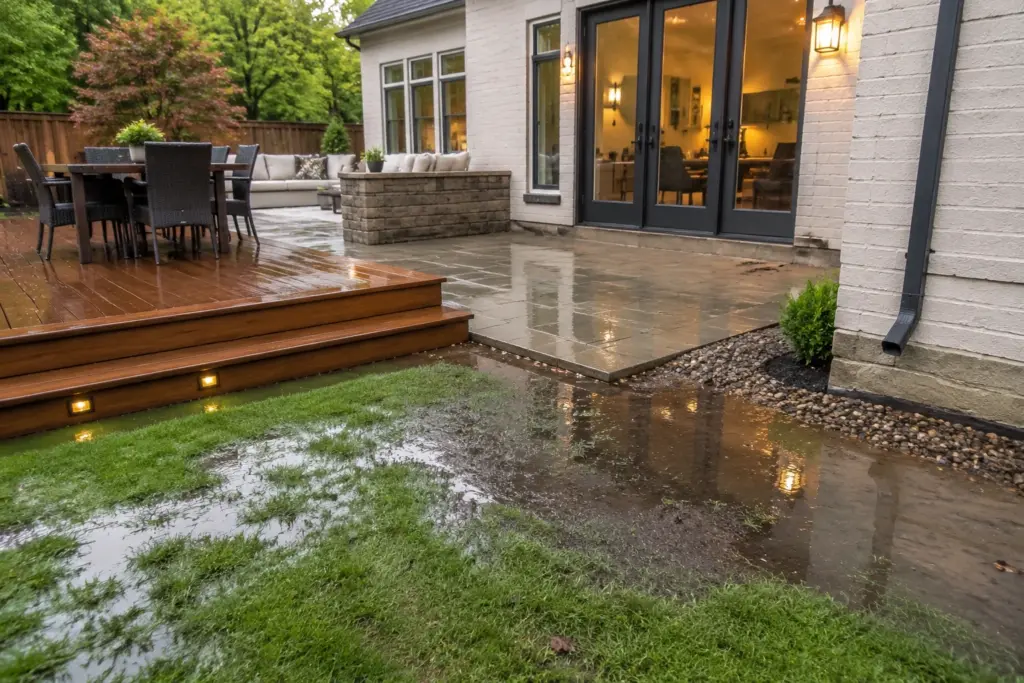
Water pooling in renovated backyard

Believe it or not, some backyard drainage issues don’t appear until months after the build wraps up. By then, the damage is already spreading, and every heavy storm makes it worse (and the disruption to completed surfaces adds even more to the bill).

A few red flags tend to show up more than others:

  • Water Pooling on Paving: Standing water after rain means your patio or driveway falls aren’t steep enough to move drainage off the surface properly.
  • Waterlogged Lawn and Garden Beds: Saturated grass and flooded garden beds usually point to poor drainage or missing subsurface systems underneath your landscaping.
  • Erosion Around Foundations: Soil washing away near your house or retaining walls means stormwater runoff has no planned route to the right drainage point. Left unchecked, debris and sediment will block your drain lines over time.

Building the right backyard drainage systems into the original plan is still the best solution, and a quick site assessment before you start will show you exactly what your property needs.

Choosing the Right Backyard Drainage Systems for Your Project

Every backyard drainage system we’ve covered in this guide plays a specific role.

French drains, stormwater pits, grading, and patio falls all solve different drainage problems depending on your site. The best solution for your property depends on your soil type, yard slope, and the outdoor features you’re building.

So before any construction begins, get a proper site assessment done. Your builder should confirm the drainage layout, grading plan, and installation details before the first slab goes down. That’s a core part of planning a functional outdoor living space, and our team at Avalon Acres handles this from the very first site visit.

Reach out for expert advice on your backyard drainage solutions, and we’ll map out exactly what your outdoor space needs.
post

The Backyard Features That Add Everyday Enjoyment Rather Than Just Property Value

The backyard features that add everyday enjoyment have nothing to do with resale value. Instead, they’re usually the spaces you reach for on a regular weeknight.

The problem is, most homeowners start with trends or property value in mind. So they end up with upgrades that look great but don’t match how they live day to day.

On top of that, it’s hard to know where to begin when you’re working with a tight budget or a small backyard. The fear of spending thousands on something you barely use is understandable.

That’s what this article covers. We’ll walk through the backyard improvements that deliver genuine everyday enjoyment, how to prioritise them, and the mistakes worth avoiding.

Design an Outdoor Living Space That Becomes Part of Your Home

Design an Outdoor Living Space That Becomes Part of Your Home

A thoughtfully designed outdoor living space works the same way as any room inside your house. You use it every day because it’s comfortable, functional, and set up for how you live. Here’s how to make that happen.

Build an Outdoor Living Room Around Comfort

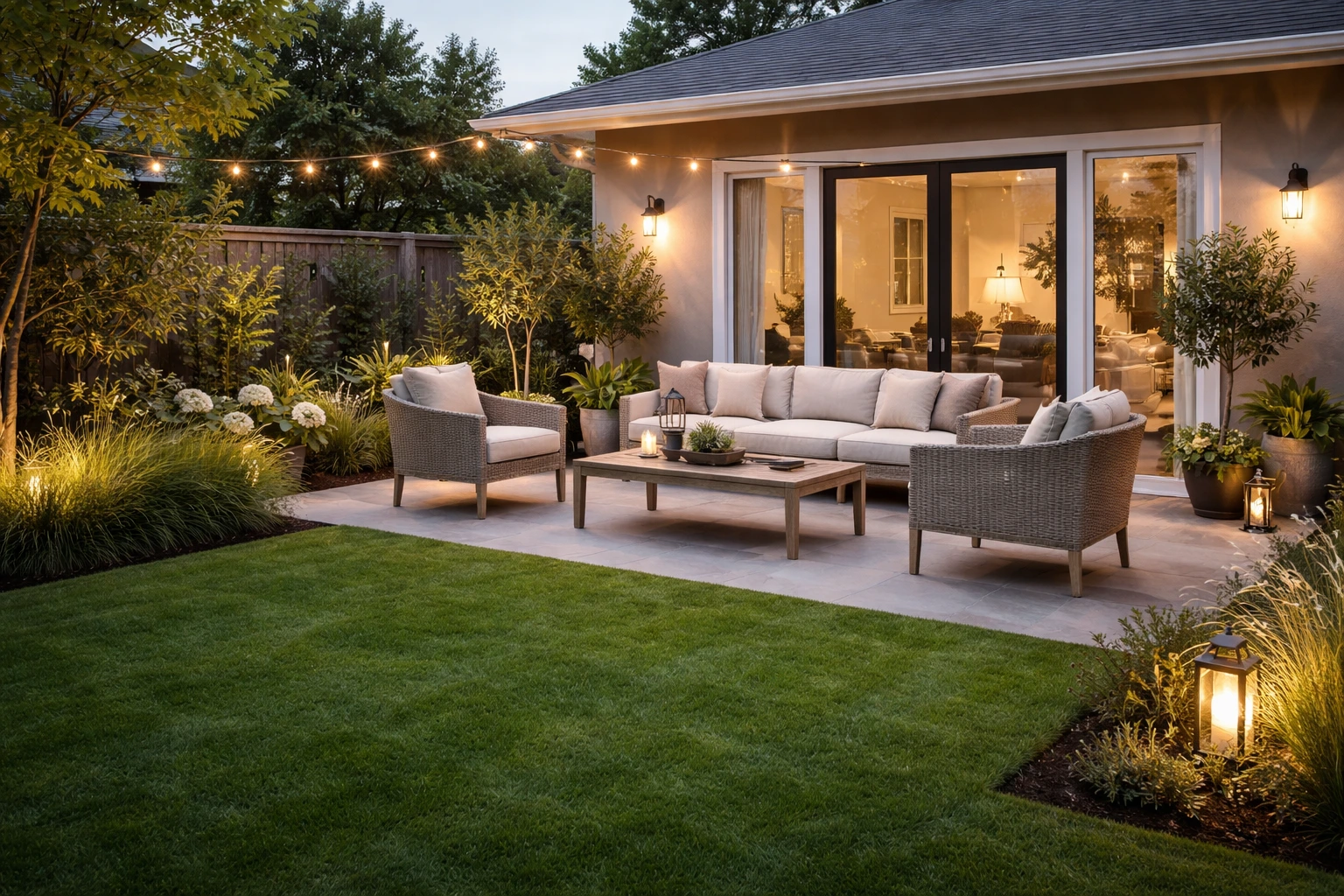
The outdoor furniture you pick affects how often you spend time outside. And comfortable seating makes it much more likely you’ll use the space regularly. For example, a large corner sofa with plush cushions is far more inviting than a decorative chair that looks good but isn’t comfortable to sit on.

Once you’ve chosen comfortable seating, add outdoor rugs and throw pillows to make the space feel warmer and more inviting. Polypropylene rugs are a practical choice because they resist moisture and dry quickly after rain.

Pair them with weather-resistant cushion fabrics like Sunbrella, which hold up through Brisbane’s heat and wet seasons without fading. Finally, arrange your seating so it’s easy to adapt, whether you’re relaxing on a quiet weeknight or pulling chairs together when mates come round.

Design Outdoor Spaces Around Your Lifestyle

Most backyards are set up for hosting parties, but the reality is you’ll use yours far more for everyday moments. So it makes sense to plan around what you do most often.

These are a few worth thinking about:

  • Morning Coffee Spot: There’s something about starting the day outside. A small seating area tucked under a shade sail or pergola gives you that peaceful ten minutes before the day gets busy. 
  • Reading or Work Nook: If you work from home even a couple of days a week, a sheltered corner with good natural light will give you a comfortable place to work. Add comfortable seating, and it’ll become your favourite spot for focused time. 
  • Kids’ Play Area: Young family members get the most value from a visible zone, like a soft turf section or sandpit, positioned near the main outdoor room. That way, children can play while you relax and keep an eye on them. 
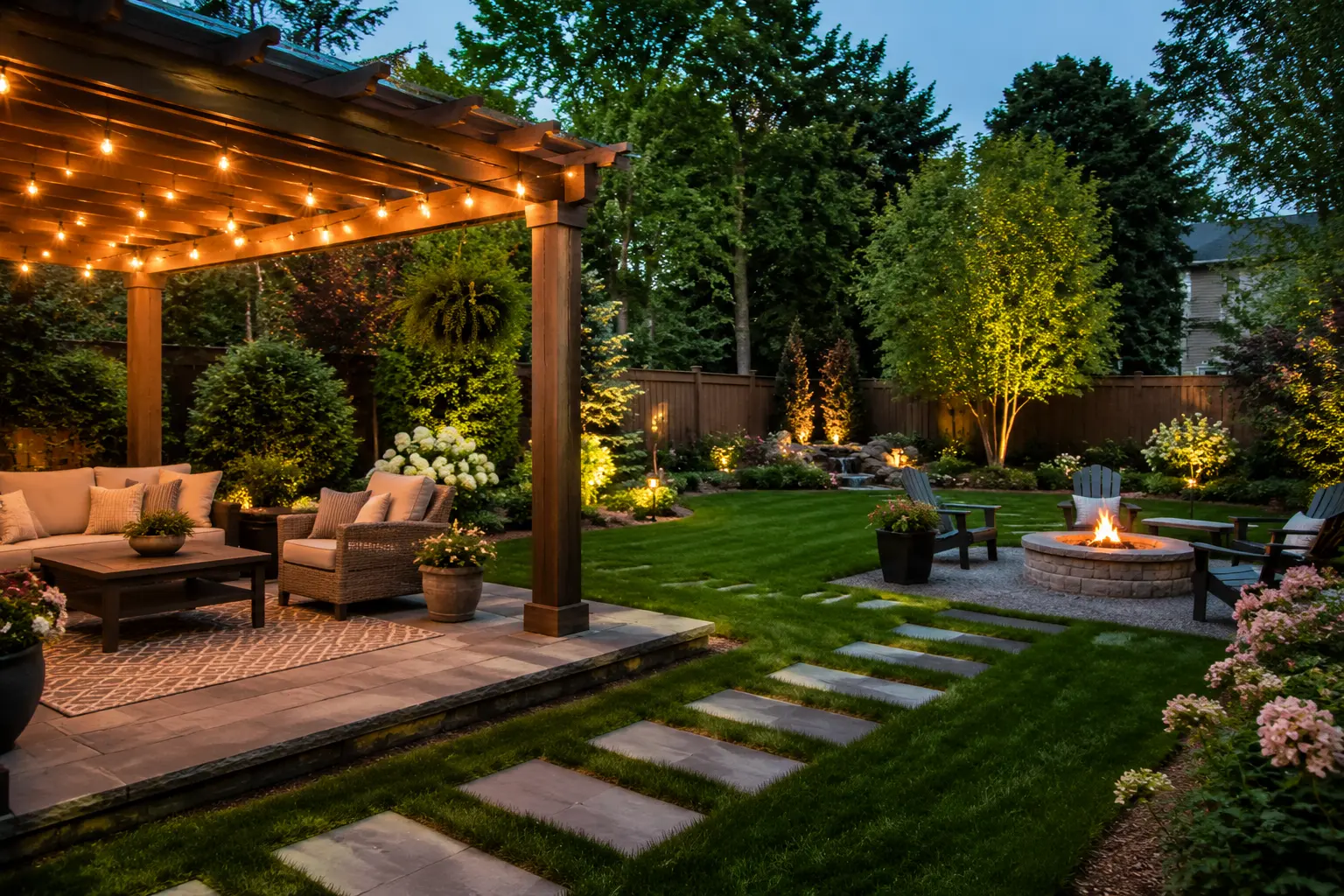
  • Evening Wind-Down: Once the sun drops, layered lighting and a fire pit make it easy to stay out after dark. Even on a midweek evening, those features create a backyard you’ll want to spend time in. 
  • Weekend Al Fresco Dining: Set up a sturdy table with enough seating for the family, and you’ll be more likely to eat outside each week. Basically, the less effort it takes to use your dining area, the more often you’ll use it. 

This way, when your backyard suits your daily routine, you stop treating it like a weekend-only space. That’s when it starts earning its keep.

Layer Your Outdoor Spaces for Year-Round Enjoyment

Comfort outdoors comes down to planning, rather than how much you spend. Start by creating shelter from the weather. 

A timber or aluminium pergola provides shade through summer, while a roof or retractable awning keeps the space usable when Brisbane’s afternoon storms roll in. 

Layered lighting helps too. In particular, pathway lights are great for improving safety after dark. You can then add softer ambient sources like solar-powered lanterns or LED strips under bench seating to enjoy the space well into the evening. 

For privacy, tall plants like lilly pillies or screening bamboo work well without the closed-in feel of hard fencing. And dividing the space into separate zones for dining, lounging, and entertaining makes even a small backyard feel bigger than it is.

Choose One Focal Point That Draws People Outside

Rather than filling the yard with features, pick one that gives people a reason to step out. A fire pit, for instance, adds warmth and creates a natural gathering spot on cooler evenings (especially through Brisbane’s mild winters). Similarly, a water feature, like a simple bowl fountain or a wall-mounted spout, brings calming sound that makes the backyard feel a world away from the street.

You could also go with a statement tree like a Frangipani or Jacaranda, outdoor artwork, or feature planting to anchor the space and draw the eye. Together, these features create a focal point that naturally draws people outside. 

Home Renovation Ideas That Deliver Everyday Value

Home Renovation Ideas That Deliver Everyday Value

The home renovation ideas that pay off most aren’t the flashy ones. They’re the upgrades that make your outdoor living spaces work harder for how you live each week. So take a look at how to get the most from your backyard without wasting money.

The Best Outdoor Living Starts With Everyday Habits

Before you spend anything, take a step back and think about how you naturally use your backyard right now. Ask yourself:

  • Do you eat outside most evenings? 
  • Do the kids play out there after school? 
  • Do you just like sitting with a coffee before the day starts?

Your answers should guide every decision you make. In the end, the smartest home renovation ideas improve your daily routine first, and property value tends to follow when a space is genuinely functional. 

After all, an outdoor dining area you use four nights a week is a better investment than a feature you only show off at Christmas. 

Avoid Backyard Mistakes That Cost More Than They Give Back

Some of the most popular backyard upgrades end up being the least used. So before you commit to anything, it’s worth knowing what trips most homeowners up:

  • Oversized Outdoor Kitchens: A full outdoor kitchen sounds great in theory. But most families get by perfectly well with a quality built-in grill, some bench space, and maybe a mini-fridge. Weatherproof cabinetry provides the storage you need without blowing the budget.
  • Expensive Features That Sit Idle: Start with one feature, such as a fire pit or outdoor dining area, and give it a dedicated place in the yard. Use it regularly before adding anything else. It’s tempting to install a water feature, pizza oven, and fire pit all at once, but some of them often end up sitting unused. 
  • Poor-Quality Furniture: Brisbane’s heat and humidity wear out cheap outdoor furniture quickly, so you often end up replacing it every couple of years. That’s why it’s worth spending a little more on weather-resistant seating with durable, comfortable cushions. It lasts longer and stays comfortable over time.
  • No Shade or Lighting: A backyard with no shade sits empty for most of summer, and one without lighting shuts down the moment the sun drops. A pergola paired with layered outdoor lighting solves both problems at once.
  • Following Trends Over Personal Needs: That sunken lounge you saw on Instagram might look incredible, but it won’t get used if it doesn’t suit how your family spends time outside. Instead, design around your daily habits and the space will work far harder for you.

These mistakes are all easy to avoid once you know what to look for. A bit of planning upfront will save you from spending thousands on upgrades that never earn their place.

Create a Living Space That Brings People Together

Create a Living Space That Brings People Together

At the end of the day, the backyard upgrades that stick are the ones that bring your household outside more often. So focus on comfort over luxury, and choose a few quality pieces rather than filling the yard with things you rarely touch.

Comfortable seating, good lighting, and personal touches like herbs or trailing plants create an outdoor space you’ll enjoy long after trends fade. You don’t need a big budget for that, just design ideas that match how you live.

If you’re ready to turn your backyard into a space your family uses every week, our team at Avalon Acres can help you plan it from the ground up. We work with Brisbane homeowners to design outdoor living spaces built around your lifestyle. 

Get in touch with us and let’s talk about what’s possible in your backyard.

post

Why Some Backyards Feel Expensive (Even When They Are Not)

The difference between a cheap-looking backyard and an expensive one usually comes down to spacing, simplicity, and restraint (not the size of the budget). Most luxury backyard ideas on a budget rely on a handful of design choices that make the whole space feel intentional, even when the materials aren’t high-end.

We work on Brisbane backyards all the time, where the goal is that polished, put-together look without the matching price tag. The ones that turn out best almost always keep things simple. That’s because fundamentals like balance, proportion, and scale do most of the heavy lifting, even on a modest budget.

This guide breaks down the layout tricks, material picks, and planting ideas that will make your backyard feel premium without blowing your savings.

Backyard Landscaping Ideas That Add Texture and Depth

Texture is one of the easiest ways to make a flat, boring yard feel layered and intentional without spending much. A few backyard landscaping ideas focused on depth can completely change how your outdoor space feels.

Here are three approaches that work well together:

  • Mixed Materials: Combining timber, gravel, and natural stone at ground level creates visual interest across your garden without adding cost (it’s one of the cheapest tricks in the book). Even simple additions like mulch and ground covers help build that layered look with minimal effort.
  • Plant Grouping: Arranging plants by height and leaf shape gives even a basic garden bed a landscaped feel. If you group taller plants behind shorter ones, the eye will naturally travel deeper into the space.
  • Repeating Textures: Carrying one texture across different zones ties your whole backyard together. This kind of repetition is what makes a space look designed rather than pieced together.

When these three elements work together, your yard starts to feel like it has real depth, even on a small block.

Garden Design Tricks With Climbing Plants and Layered Greenery

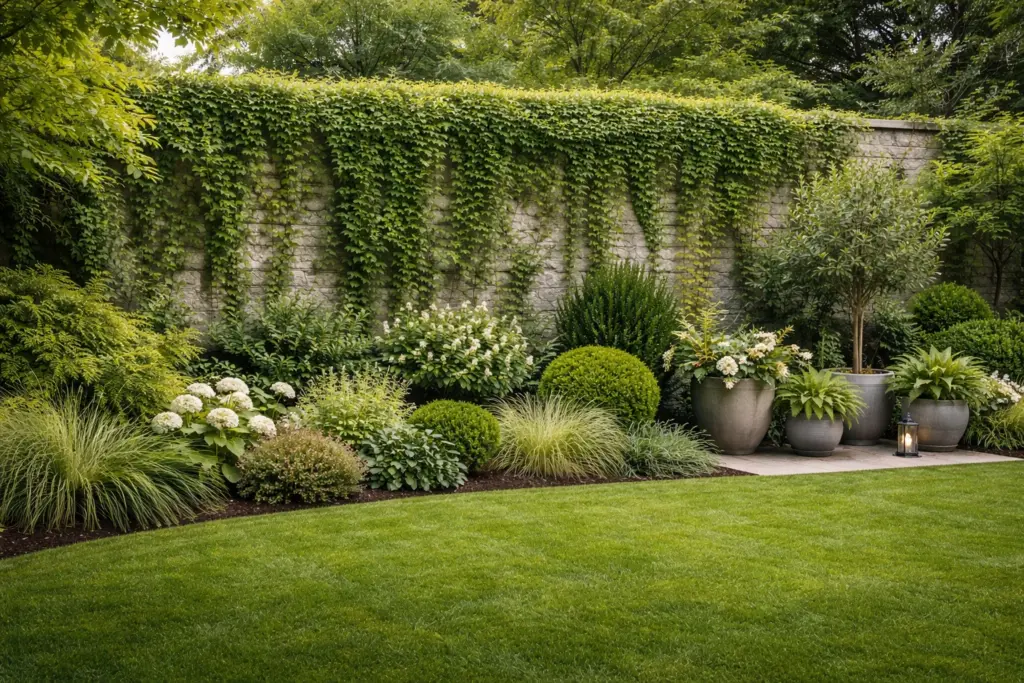
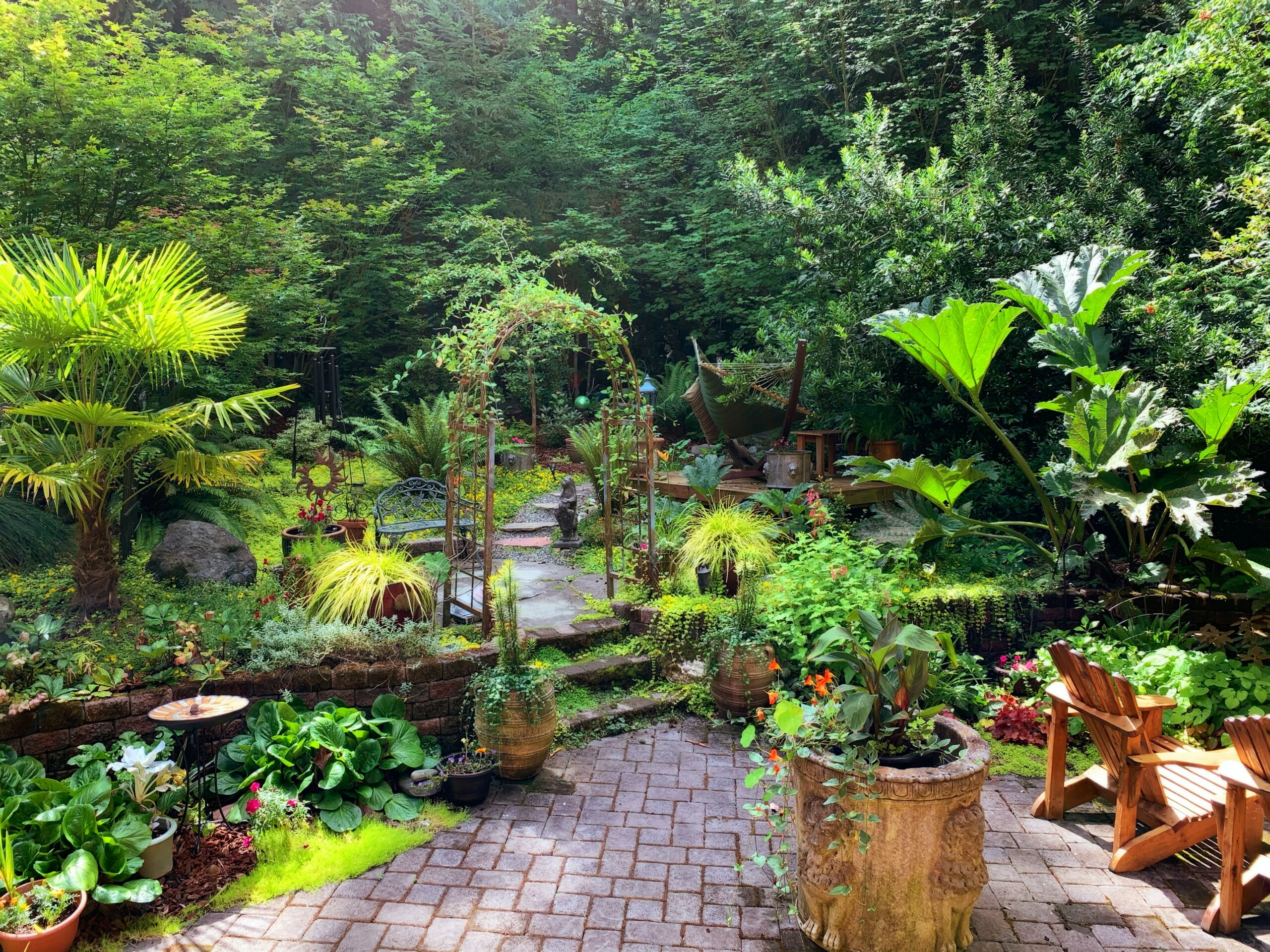
Backyard with climbing plants and layered greenery design

Now, let’s look at one of the most underrated moves in garden design: going vertical. When your garden beds and ground-level plants are sorted, climbing plants are the next step for adding height and fullness without eating into your lawn or patio space.

Believe it or not, a single star jasmine planted at the base of a wood fence or pergola can fill an entire wall within a season or two. And when you pair that with layered plantings of different heights, you get the kind of lush greenery you’d expect from a landscape designer’s portfolio. To keep that look going year-round, choosing native plants that suit your local climate helps your garden stay full without adding extra maintenance.

From our experience, odd-numbered groupings of three or five plants tend to look the most natural. That kind of spacing creates depth and mimics professional planting schemes, which gives even a small space a mature, established feel.

Backyard Ideas for a Fire Pit Area That Feels High-End

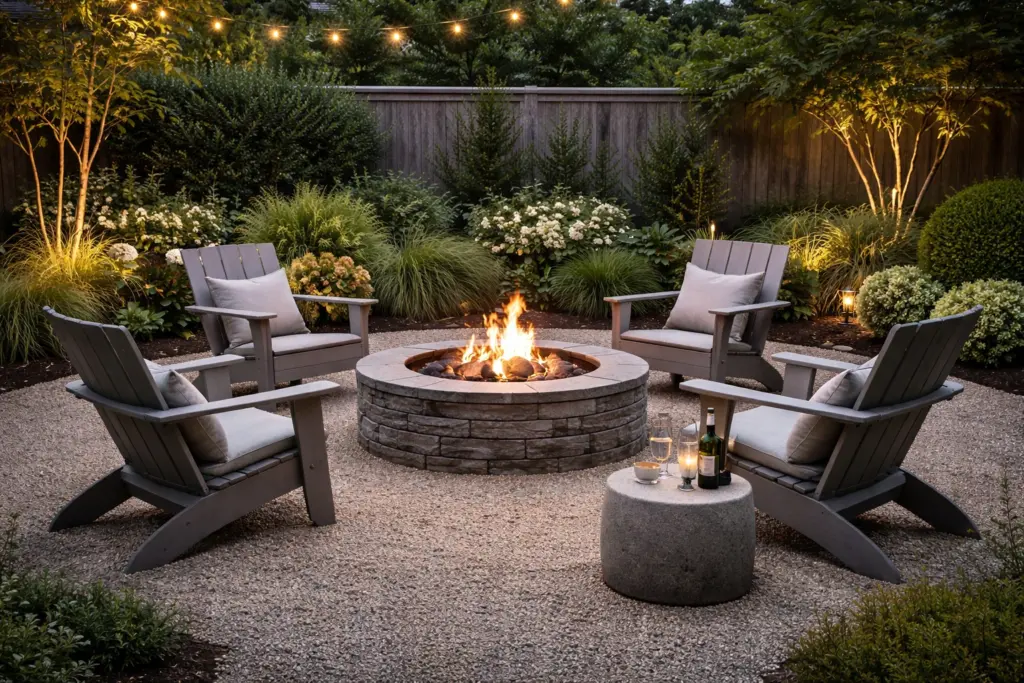
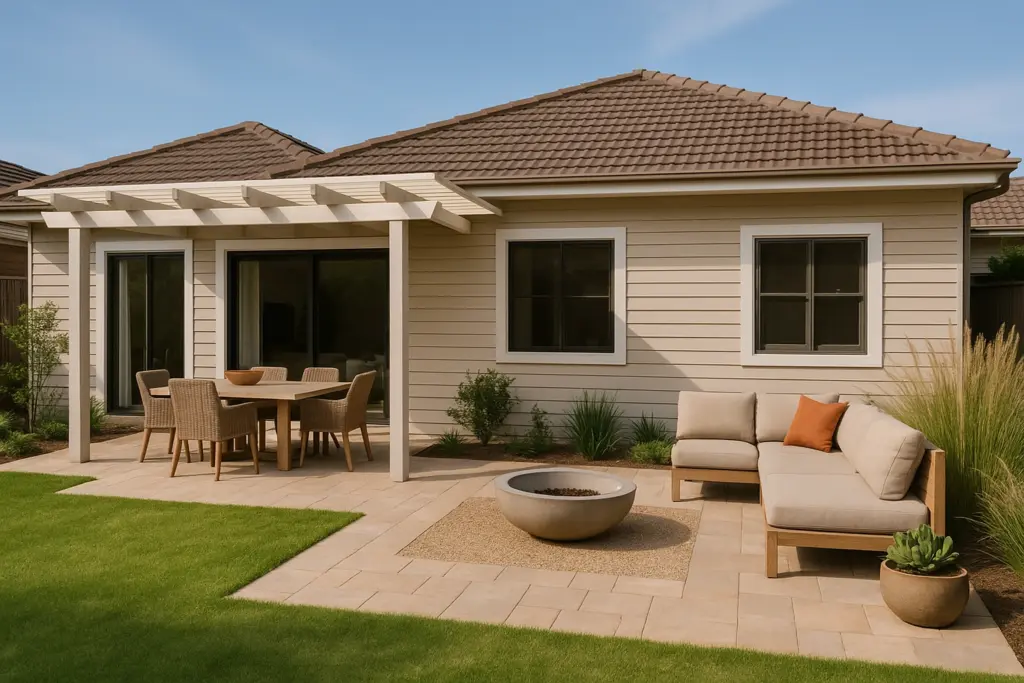
High-end style backyard fire pit with simple seating

A fire pit zone is one of the quickest ways to add a premium feel to any backyard, and it doesn’t need a big budget. The key is in the placement and materials, so let’s break those down.

Picking the Right Spot

Positioning your fire pit away from the main patio creates a second dining area and makes the yard feel larger (that alone can make a $500 setup feel like a $5,000 one).

We’ve done this on a few Brisbane projects, and the difference is obvious. When your backyard has two distinct zones, the whole space feels more purposeful, and even simple comfort upgrades go further.

Materials That Look Premium for Less

Affordable materials like concrete pavers or stacked natural stone look premium when you keep the design clean.

A gravel surround with comfortable seating and a few feature trees nearby will tie your fire pit area together. And if you stick with one or two materials instead of mixing too many, the final look will feel cohesive and intentional.

Once the layout and planting are sorted, you need to look at what materials to use.

Affordable Landscaping Tips for Smarter Material Choices

Most homeowners assume they need expensive paving or imported stone to get a premium look, but a few cost-effective swaps can get you surprisingly close. If you’re planning your backyard upgrade around a realistic budget, this is where your decisions will have the biggest visual impact.

 Budget Material Expensive Alternative Why It Works
 Exposed aggregate concrete Honed granite pavingSimilar texture at a fraction of the cost
 Treated pine sleepers Hardwood retaining wallsClean lines with the same structural result
 Local sandstone Imported natural stoneSuits the Brisbane climate and cuts freight costs
Crushed gravel or stepping stones Porcelain paversAdds a rustic look to garden paths and firepit areas

Frankly, choosing one hero material and using it consistently across your backyard will always look more expensive than scattering five cheaper options around.

Concrete is a great example. When you finish it with an exposed aggregate or honed texture, it mimics the look of pricier paving, and most people won’t pick the difference. Locally sourced materials like sandstone or hardwood also keep costs down while suiting local soil conditions.

Backyard Layout Ideas and Landscape Design That Create Space

Why do some backyards feel twice the size of others with the same square footage? Layout is almost always the answer. A well-planned landscape design creates flow between areas, and that sense of movement is what makes a backyard feel open.

These layout shifts make a noticeable difference:

  • Defined Zones: Breaking your yard into distinct areas for dining, lounging, and gardening gives the whole space structure. When each zone has a clear purpose, your backyard stops feeling like one flat lawn and starts working as an outdoor living area.
  • Curved Pathways: Angled decking or curved stepping stones through your garden make a rectangular block feel wider. It’s something we notice on almost every backyard reno we walk into, the homes that use angles always feel bigger than they are.
  • Negative Space: Leaving breathing room between your patio, garden beds, and furniture is just as important as what you fill them with (we’ve seen it happen more times than we can count). If you crowd every corner, the whole yard will feel smaller, regardless of how good the individual pieces look.

When the layout is right, even a small backyard with limited space will punch well above its weight.

Cost-Effective Backyard Landscaping and Garden Ideas Worth Copying

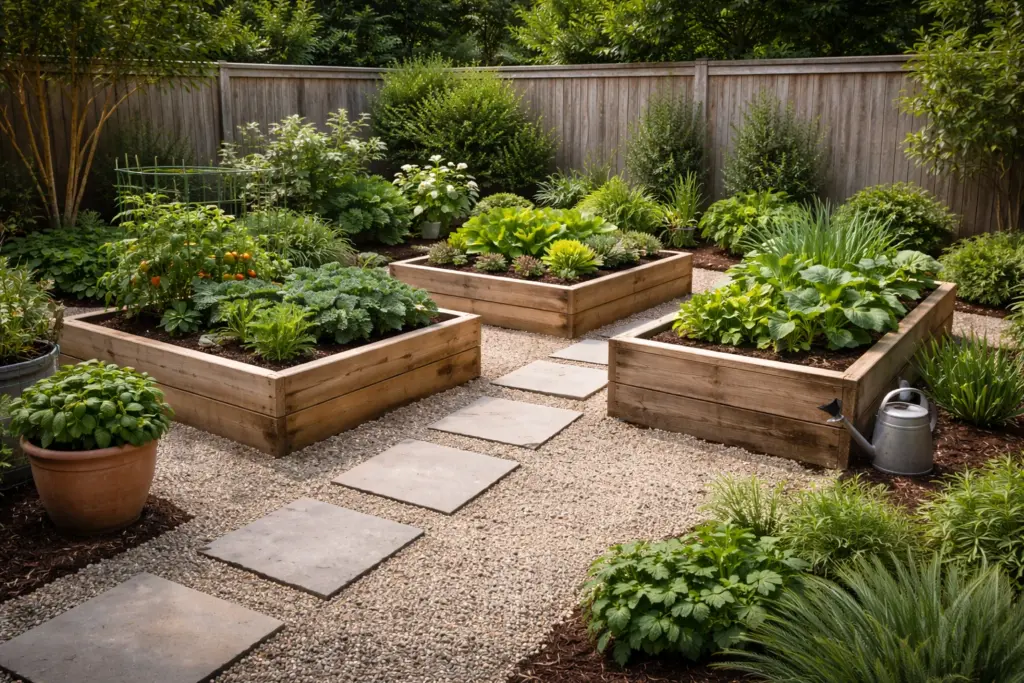
Affordable backyard landscaping with simple garden beds and gravel path

Now that we’ve covered the bones of a good backyard, let’s talk finishing touches. But here’s the thing most people skip: the small details at the end often separate a yard that looks fine from one that looks professionally planned.

These cost-effective ideas are worth borrowing:

  • Statement Trees: Pairing a single feature tree with low ground cover underneath draws the eye upward and creates a natural focal point. You get height, depth, and structure from one planting combo, without filling an entire flower bed.
  • Garden Edging: DIY edging with treated pine sleepers or recycled brick gives your garden beds and planting areas a polished frame. And once that border is in place, even a simple backyard garden starts to look intentional rather than scattered across a bare lawn.
  • Outdoor Lighting: Placing lights along stepping stones or under mature trees changes the whole mood of your backyard after dark. It turns a daytime-only space into somewhere your family can enjoy year-round.

A few well-chosen touches like these lift an entire backyard without adding much to the cost.

Small Design Ideas, Big Backyard Impact

You don’t need a massive budget or a complete backyard overhaul to create a beautiful outdoor space.

Most of the design ideas in this guide cost very little on their own, but when you layer them together, the visual impact adds up fast. A few stepping stones here, some lush planting there, a fire pit with comfortable seating, and suddenly your backyard garden feels like somewhere you actually want to spend time with your family.

Ready to get started on your backyard? Get in touch with the Avalon Acres team, and we’ll help you plan a space that looks the part without blowing the budget.

post

Backyard Renovation Trends Brisbane Homeowners Love in 2025

These days, outdoor living trends feature three things: making spaces comfortable, connecting with nature, and choosing materials that last.

That’s why a backyard renovation in Brisbane looks different now than it did a few years ago. People want outdoor spaces that work just like their indoor rooms.

This guide will walk you through what’s popular in outdoor design right now. You’ll also learn how to make your outdoor spaces blend naturally with your home’s style.

Let’s begin with the trends.

Popular Backyard Design Ideas for Brisbane Homes

Popular Backyard Design Ideas for Brisbane Homes

The patterns are pretty clear when you look at what’s popular. Today’s outdoor spaces need to feel natural, support relaxation, and make entertaining easy.

Take a closer look at these trends and see what fits your space.

Natural materials and earthy tones

Stone, timber, and raw textures are showing up in nearly every Brisbane backyard project these days. There’s a good reason for this: these materials handle our climate well and actually look better as they age.

The colour choices also follow a similar pattern. For instance, warm terracotta, sandy beige, and deep charcoal create a relaxed, earthy backdrop that lets your plants shine without competing for attention. Better yet, natural materials pair perfectly with Brisbane’s green surroundings instead of clashing with them.

Alfresco entertaining zones

Outdoor kitchens have gone from fancy extras to standard features in most renovations. This Alfresco trend has Brisbane families investing in proper outdoor cooking setups (no more simple barbecue tucked in the corner).

Along with kitchens, fire pits bring warmth on cooler nights, and shaded dining spots mean you can use the area all year.

Seamless flow between indoors and outdoors

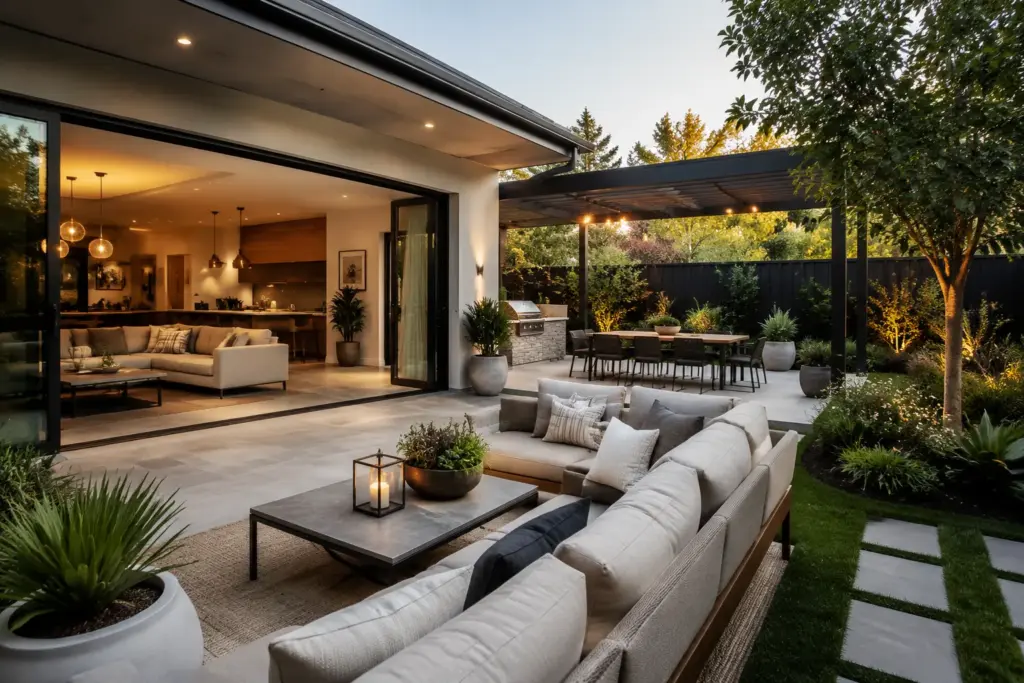
Now, the best designs make it hard to spot where your house stops and your garden starts. You can achieve this with matching floor materials, wide sliding doors, and colour schemes that carry through both areas. If you do it right, it will genuinely feel like your living space just got twice as big.

Smart systems for comfort and sustainability

Today’s gardens use clever, unobtrusive technology, like automated irrigation that saves water and time, and quality LED lights that provide a soft, gentle glow after sunset. These upgrades make daily life easier while helping you make sustainable choices.

Wellness gardens and mindful outdoor design

Now, something interesting is happening with garden design lately. More people are thinking about mental health alongside how things look, like using quiet seating areas, native plants, and natural sounds to create spaces to decompress.

We’ve also noticed an uptick in clients specifically asking for peaceful zones where they can switch off from the day.

Now that you know what’s trending, let’s see how you can make it happen.

Brisbane Landscaping Services for Thoughtful Backyard Renovations

Brisbane Landscaping Services for Thoughtful Backyard Renovations

A proper backyard renovation in Brisbane needs careful planning, realistic budgets, and a team that actually knows the local area. Often, the difference between a space you love and one that disappoints comes down to planning well from the very start.

So what does smart planning really look like?

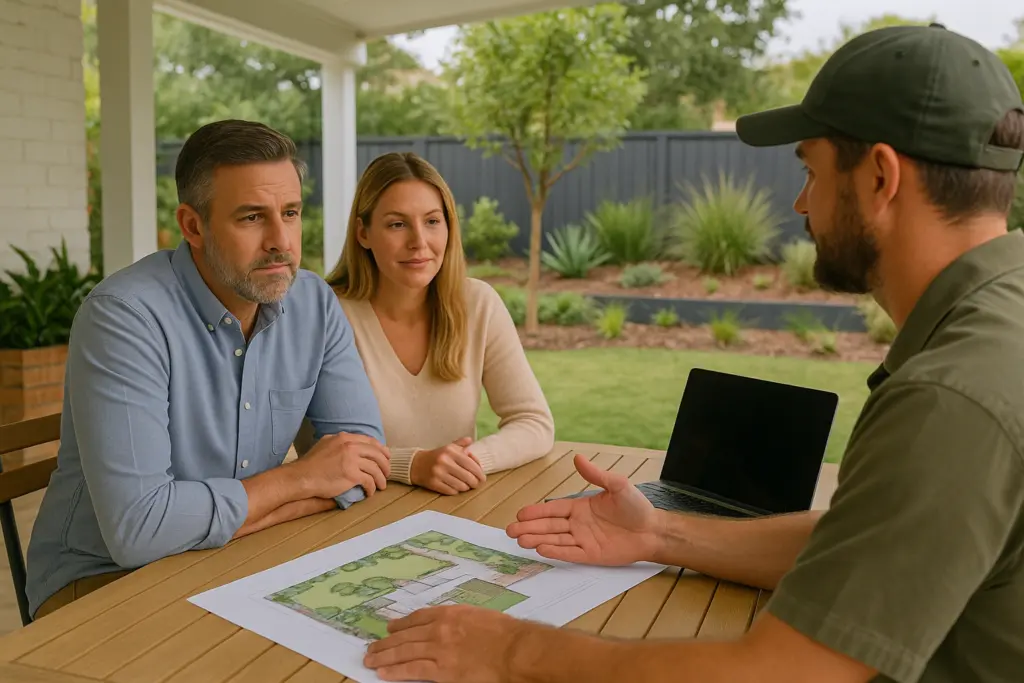
What to expect from your initial consultation

Your first meeting with landscaping services can set everything up for success (…or failure).

A good team will ask how you live, what you want from the space, and which styles appeal to you. They’ll also look at practical stuff like drainage, where the sun hits, and how easy the site is to access. These early conversations help you dodge expensive mistakes down the track.

Smart phasing prevents costly mistakes

Once you’ve talked through your vision, your next step is figuring out the right order to do things. Don’t rush into the project without a clear order.

We recommend starting with the big structural work first, like retaining walls, paving, and major garden beds. Doing this will create a solid foundation before moving on to smaller details. Then you can move on to planting and finishing touches to avoid having to redo work underneath.

Budgeting for backyard renovation in Brisbane

Phasing also helps with another big question that most people have: cost. Most projects fall somewhere between $5,000 for basic updates and $50,000 or more for full makeovers. But the final amount depends on your budget and choices, like:

  • Smaller budgets cover fresh plants and some new paving. 
  • Mid-range jobs add things like outdoor kitchens or areas around pools. 
  • Premium builds give you multiple zones, quality products, and custom features throughout the whole space.

We recommend starting with essential structures, then adding optional features as funds allow.

How should outdoor design match your home?

How should outdoor design match your home?

Whatever your budget, there’s one rule for every project: your outdoor areas need to feel like they belong with your house.

Would a sleek modern home suit a dense cottage garden out front? Not really. The same goes the other way around. Modern materials work with modern buildings, while traditional homes pair better with classic garden styles. If the colours, textures, and overall feel flow naturally from inside to outside, everything just clicks.

Start Your Backyard Renovation with Brisbane’s Trusted Landscaping Team

So there you have it.

2025 is shaping up as the year when outdoor living really takes centre stage in Brisbane homes. The trends we’ve covered show that backyards are proper lifestyle areas that change how you actually live day to day.

If you’re tired of settling for a yard that doesn’t work for you, Avalon Acres can help you move forward. Book a relaxed initial consultation where you can share your ideas and see what’s realistic for your space.

Don’t let another summer slip by with outdoor areas that leave you feeling flat. Your backyard has serious potential just waiting to happen, and honestly, the best time to start is now.

post

Backyard Landscaping 101: Creating a Stunning Outdoor Retreat

Are you ready to turn your ordinary backyard into a stunning outdoor retreat? Landscaping can be an overwhelming project to tackle on your own, but with the right planning and professional advice, it doesn’t have to be. Whether you want to create an inviting getaway from everyday life or just spruce up your space for hosting family gatherings, Avalon Acres is here to help! With our wealth of knowledge in landscaping design and tips for creating a garden oasis that fits all types of budgets, we’ll show you how simple it can be to transform your backyard from dull and drab into something that will make your neighbors green with envy!

Analyse your backyard’s existing layout to figure out the best design for you

Your backyard is a blank canvas waiting for a landscape design that suits your taste. By analysing its existing layout, you can uncover the best design that suits you. Consider what you would like to achieve with your backyard. Do you want it to be a space for relaxation or entertaining guests? Once you have a clear picture of your goal, assess your backyard’s strengths and weaknesses. Take note of the terrain, sunlight, soil condition, and potential hazards such as underground wires or pipes. By taking these factors into account, you can create a design that maximises your backyard’s potential and creates a functional and visually appealing landscape. Get creative and have fun transforming your backyard into an oasis that meets your needs and reflects your personality.

Choose appropriate plants and flowers that will thrive in your climate

Selecting plants and flowers that will flourish in your particular climate can seem like a daunting task, but with a little research and care, it can be a rewarding and enjoyable experience. While it may be tempting to choose exotic or rare species, it is important to consider the conditions in which they are accustomed to thriving. By selecting plants that are native or well-suited to your local environment, you can create a beautiful and sustainable garden that requires minimum effort and maintenance. From colorful annuals to sturdy perennials, there are countless options to suit any taste or preference. So, take the time to learn about your local climate and vegetation, and discover the perfect plants for your outdoor space!

Plan out a seating area with furniture, such as chairs, hammocks, and swings

Designing a cosy seating area with the right furniture can create a relaxing oasis in your outdoor space. Whether you prefer the comfort of chairs, the hammock’s gentle sway, or the gentle motion of a swing, there are options to suit every taste and need. A well-planned seating area can transform your garden into a restful retreat where you can breathe in the fresh air, enjoy a good book, or simply soak up the scenery. By combining pieces that meet your requirements for comfort and style, you can create an inviting space that will leave you feeling refreshed and rejuvenated. So, have fun planning and experimenting with different furniture arrangements until you find the ideal configuration for your perfect outdoor haven.

Incorporate outdoor lighting options for ambience and safety

There’s something magical about the way outdoor lighting can completely transform the ambience of your space, creating a warm and inviting atmosphere that’s perfect for relaxing with friends and family. But lighting isn’t just about looks – it’s also an important element of home safety. By incorporating outdoor lighting options into your landscape design, you’ll not only enhance the aesthetic appeal of your home but also ensure that your pathways and walkways are well-lit, reducing the risk of trips and falls. From subtle, low-level lighting to bright floodlights, there are a variety of options to suit every taste and need. So why not illuminate your outdoor space and elevate your home’s curb appeal while keeping your family safe?

Plant trees and shrubs to create privacy

Looking for a way to create a natural barrier between you and your neighbors? Planting trees and shrubs is the perfect solution. Not only do they provide privacy, but they also add beauty and value to your property. With a variety of options to choose from, you can select trees and shrubs that match your style and needs. Whether you want evergreens for year-round privacy or deciduous plants that provide shade in the summer, there is a plant out there for you. Plus, planting trees and shrubs is a sustainable way to enhance your outdoor space and help the environment. Start planting today and enjoy the benefits of privacy and nature all in one.

Make sure pathways are wide enough to accommodate guests comfortably

As you plan and design your event, it’s important to keep your guests’ experience in mind and ensure they are comfortable throughout the entire event. One aspect to consider is the width of pathways throughout the venue. Guests should be able to walk comfortably from one area to another without feeling cramped or squeezed in. Wide pathways will not only accommodate the flow of guests but will also ensure that they can enjoy the event without feeling crowded or rushed. By providing ample space, you can show your guests that you care about their experience and make sure that they can comfortably navigate the event from start to finish.

Transform your backyard into a magical oasis that you can enjoy for years to come! With a little strategizing, planning, and shopping, you’ll be able to create an outdoor space perfect for entertaining family and friends with these simple steps. Start by getting your hands on a design plan that fits your style. Choosing the right expansion options is key – whether it’s vibrant plants and flowers or comfy hammocks and swings. Lay out just the right amount of pathways so people don’t feel too cramped and incorporate string lights for extra ambience. Finally, top it off with trees and shrubs for privacy in all the right areas! Your dream backyard awaits—it’s time to get to work!