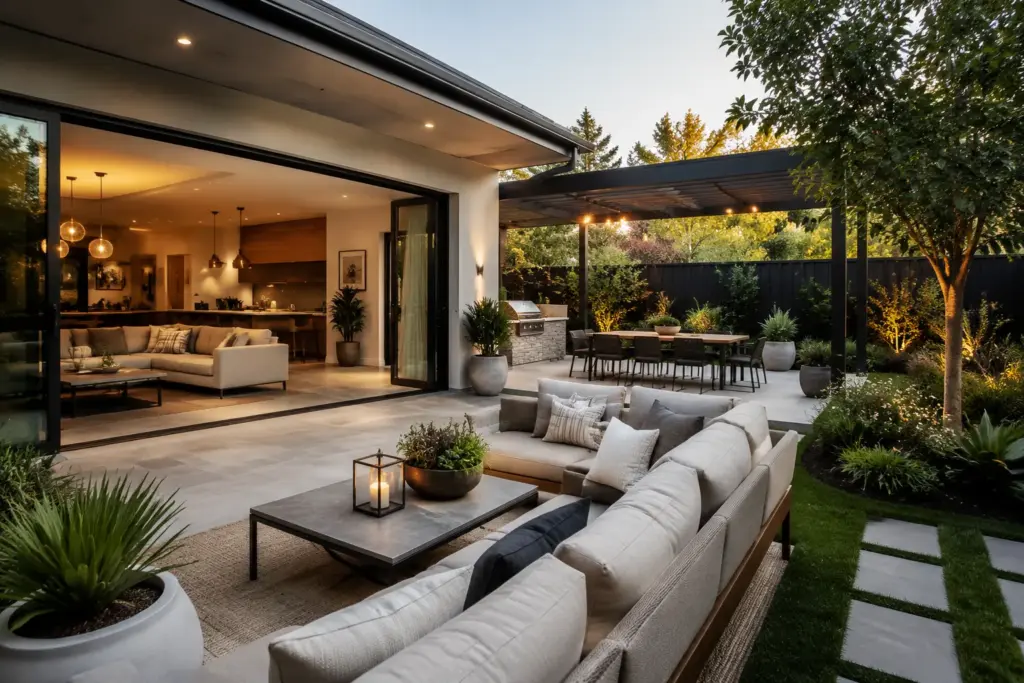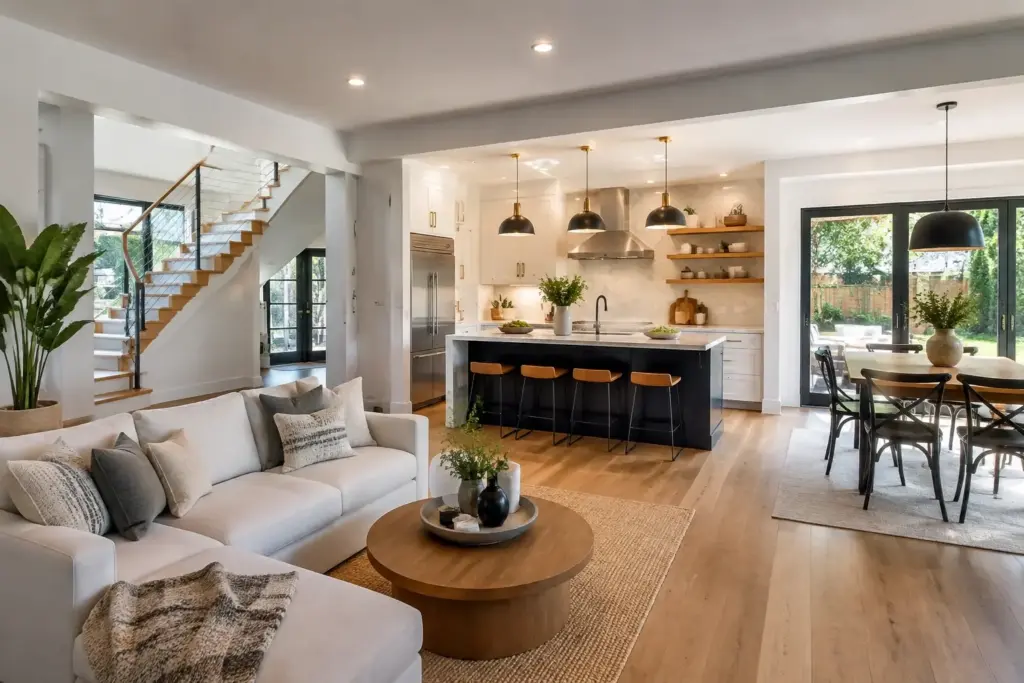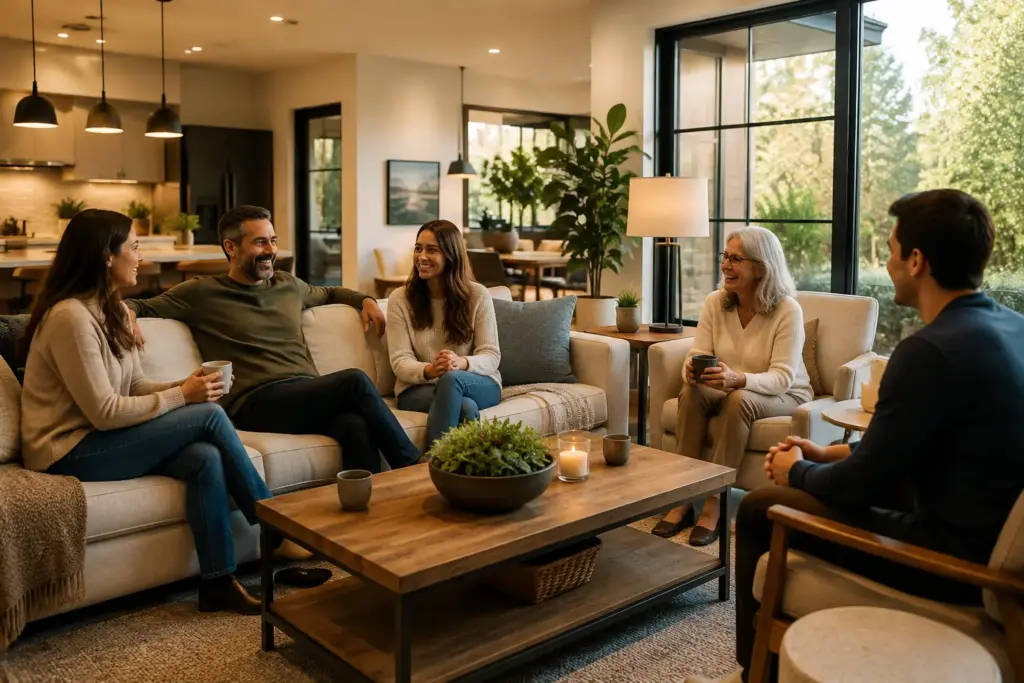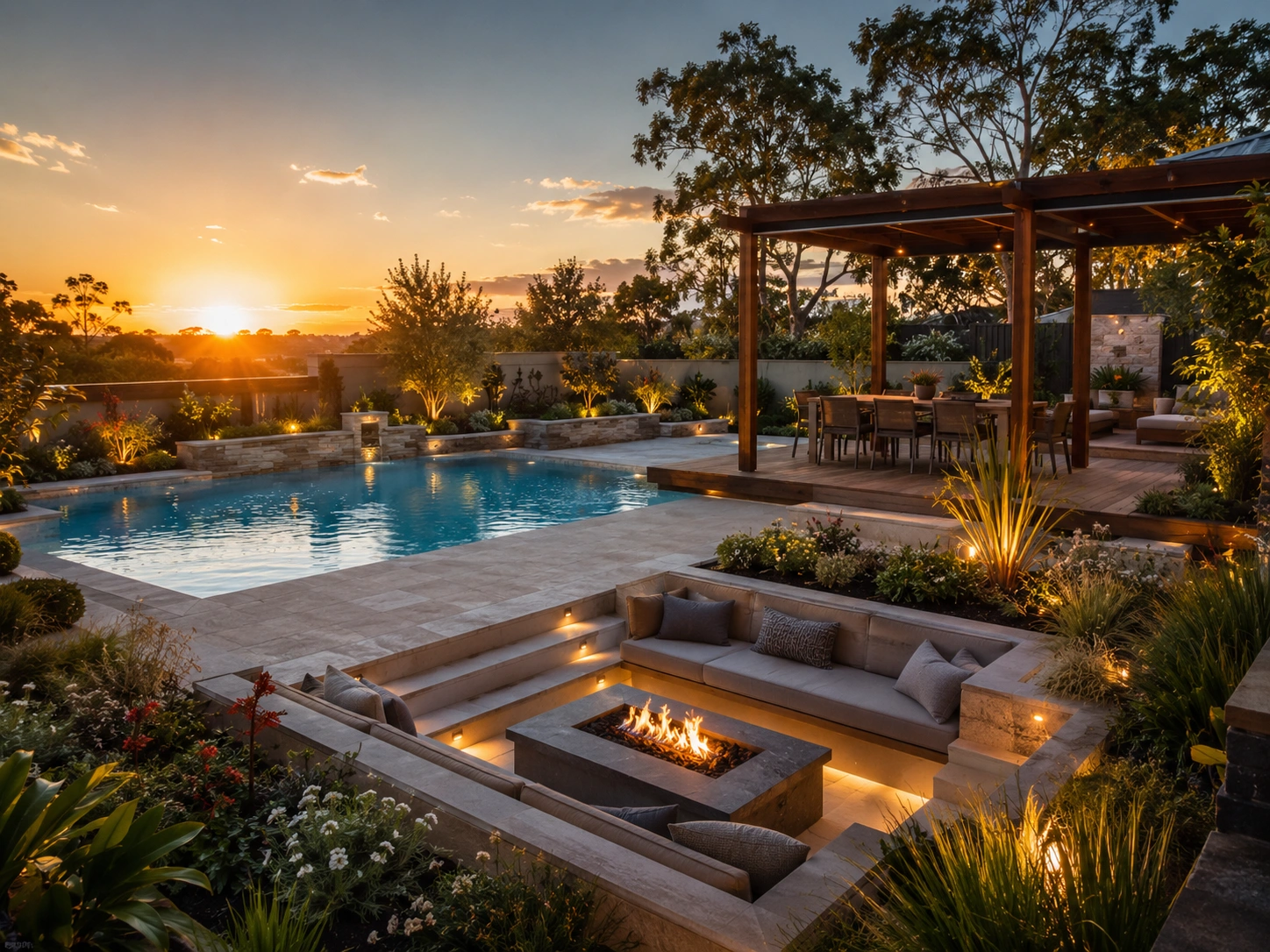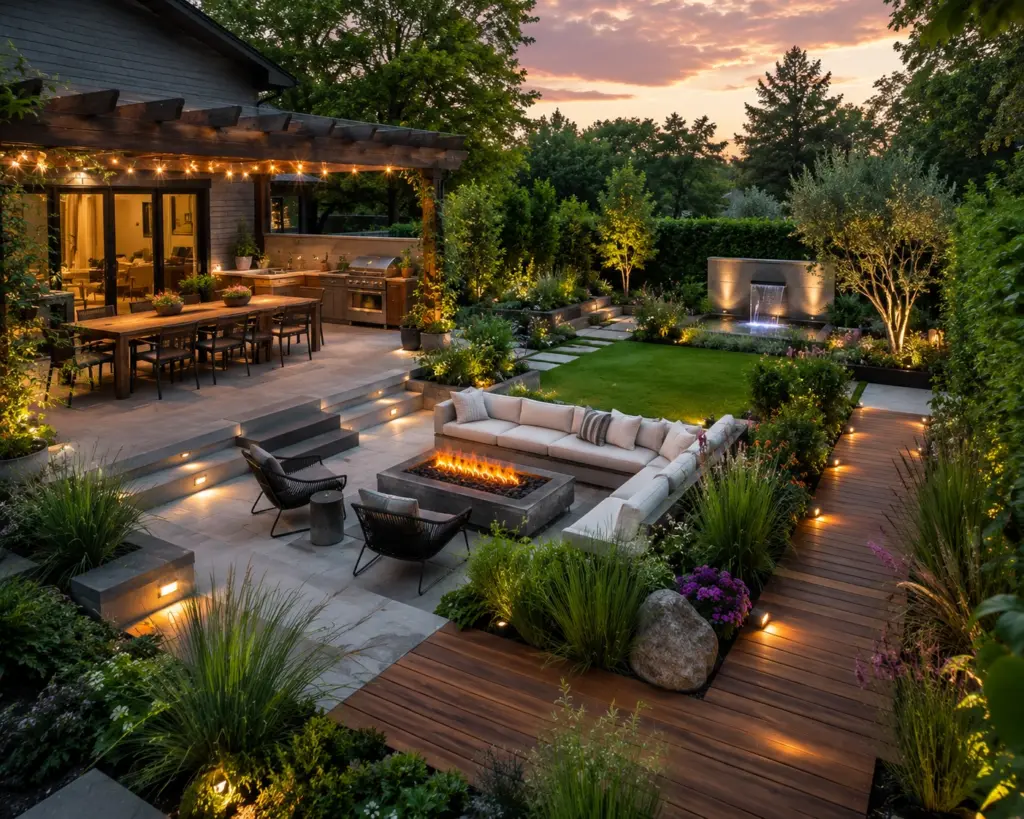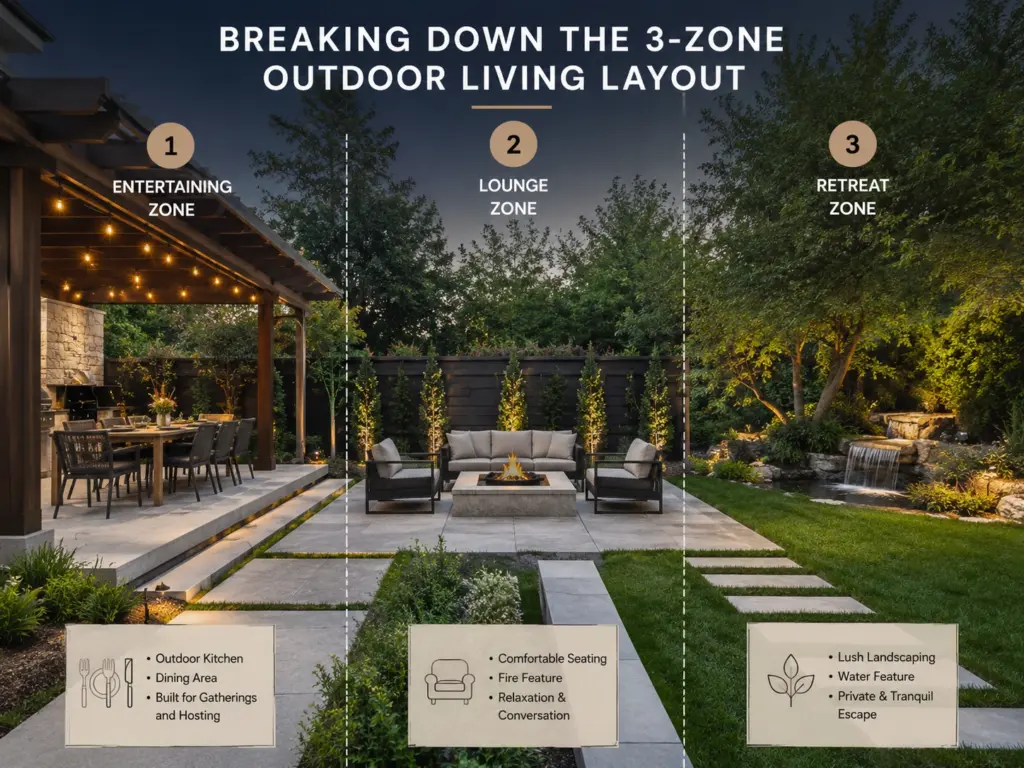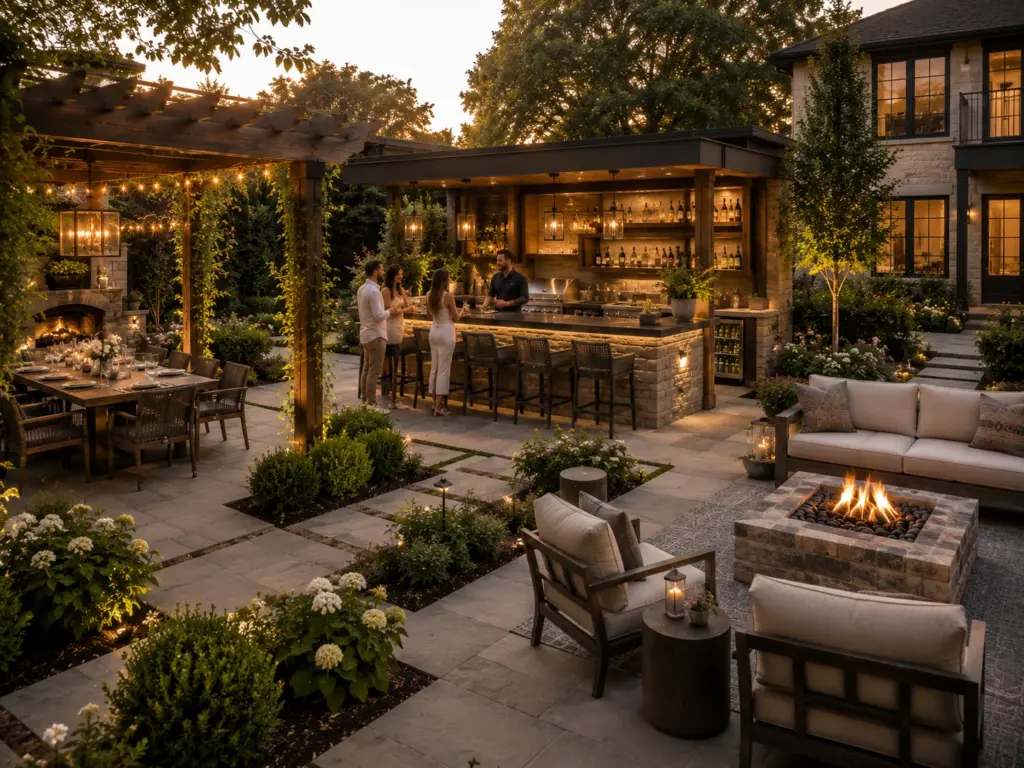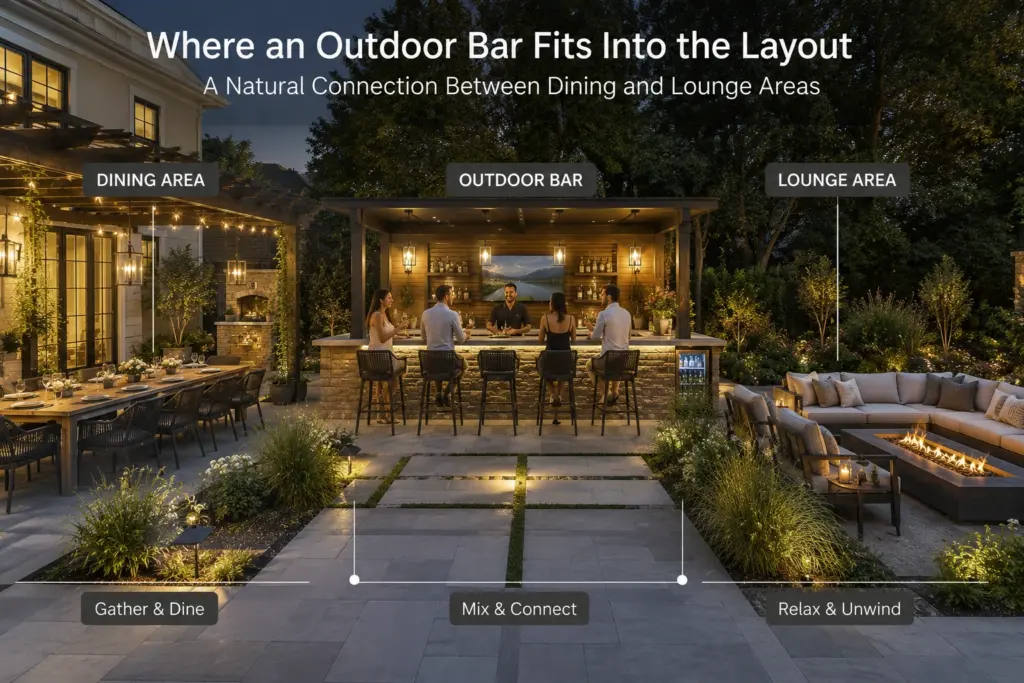
post

What Actually Adds Value in a Backyard Renovation

Backyard renovations add value when the budget goes toward functional, buyer-friendly upgrades. Most Brisbane homeowners only work that out after inspection day. And the finished result doesn’t hold up at inspection.
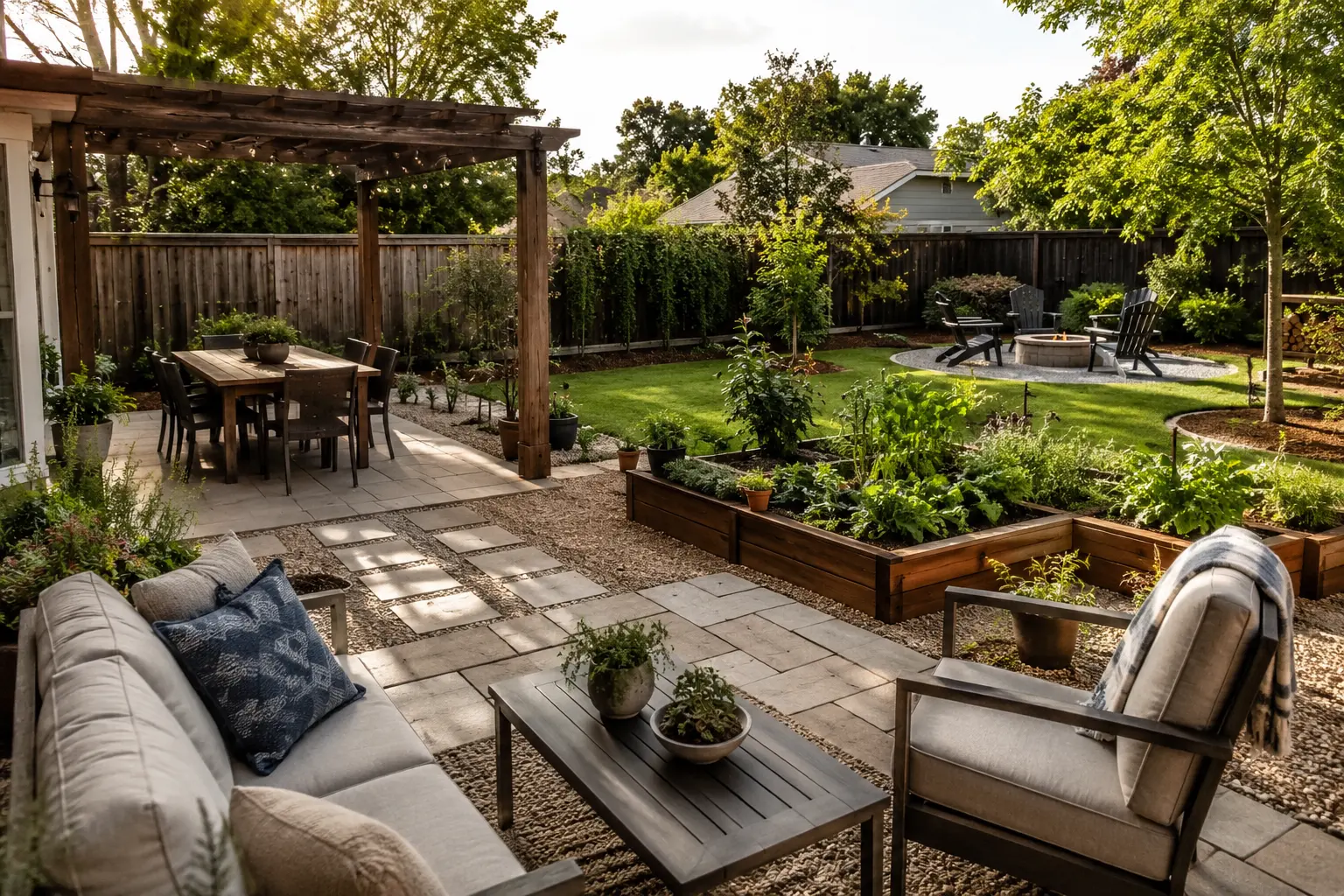
A lot of Brisbane homeowners know this feeling well. You put real money into the backyard, it looks great on a Sunday, but when inspection day arrives, buyers walk through unmoved. At the end of the day, buyers don’t see the invoice. They just see the result.

And that’s a hard position to recover from. This article covers which outdoor upgrades improve your home’s value, which ones rarely justify the cost, and how to read the difference before you spend.

Let’s get into it.

Outdoor Upgrades That Add Value Vs. Ones That Don’t

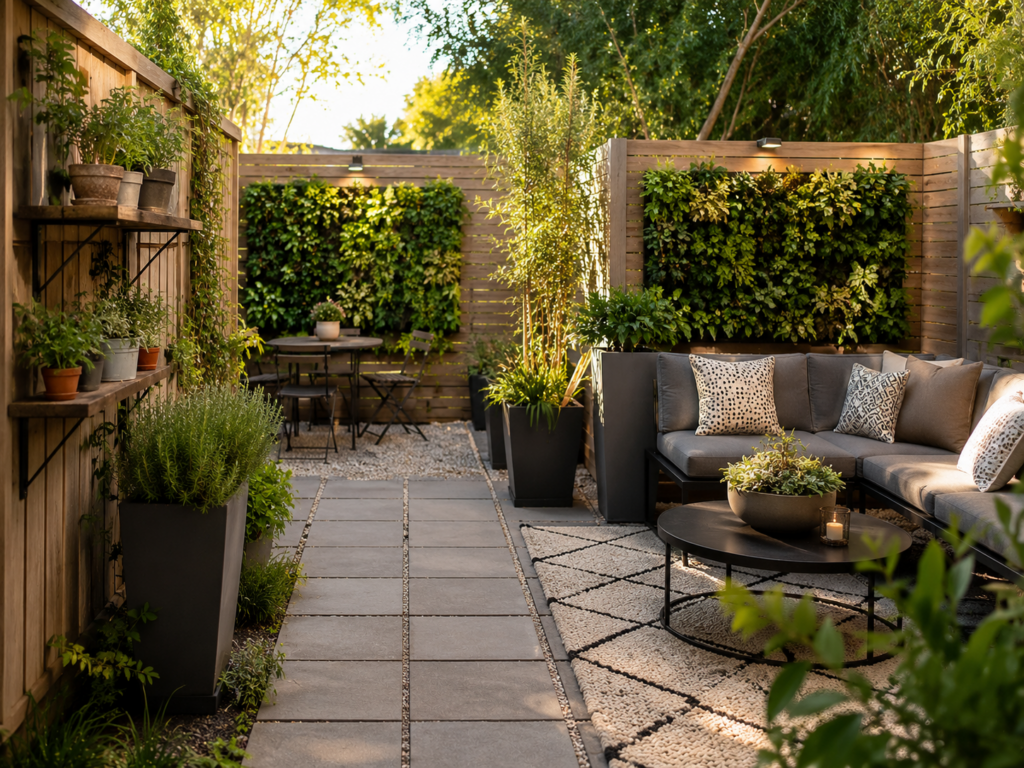
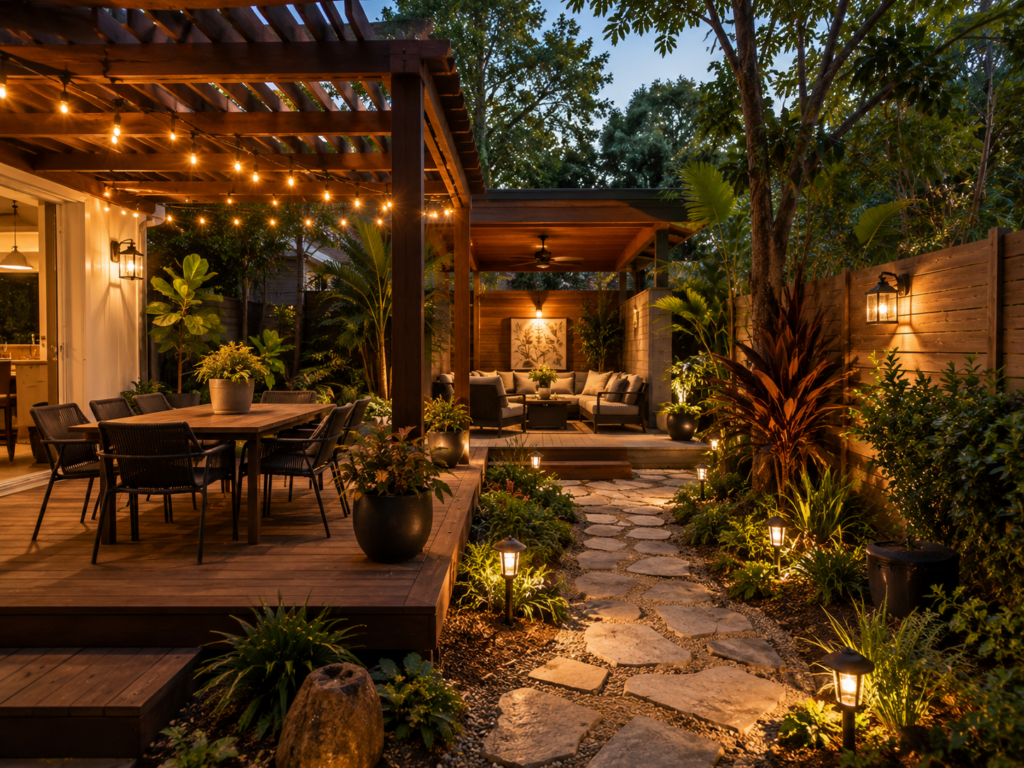
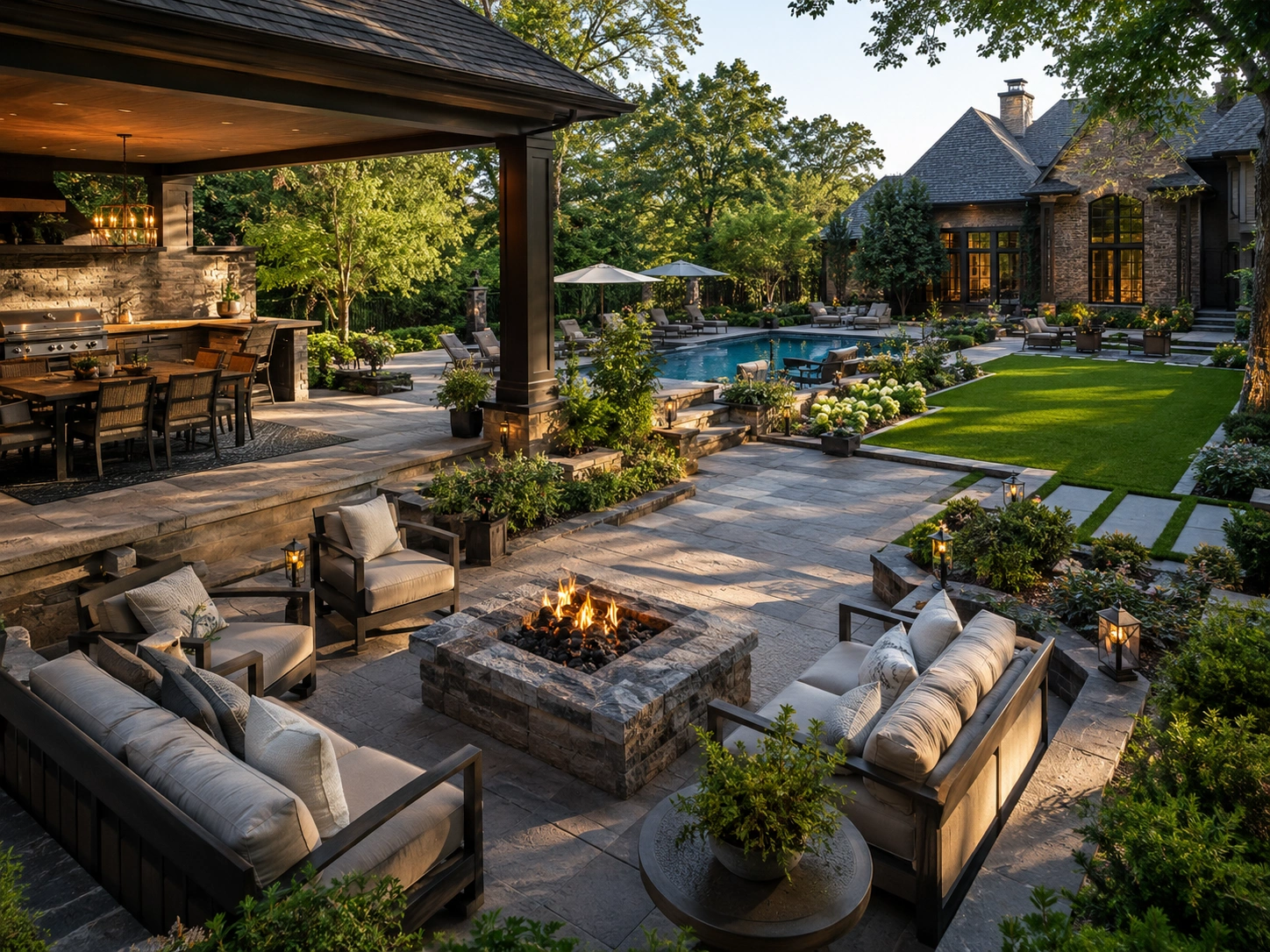
Outdoor upgrade designed around people's daily lives

Honestly, not all outdoor upgrades are equal when it comes to resale. Australian property data shows that outdoor spaces designed around how people live, dine, entertain, and relax consistently outperform purely decorative upgrades at resale.

The breakdown below tells the story.

Worth Doing

Unnecessary

Alfresco area and paving

Tennis court

Garden beds and planting

Water feature

Covered outdoor living spaces

Conversation pits

Outdoor kitchens (built well)

Outdoor art

Pergolas and shade structures

Elaborate lighting rigs

Think of it like buying a treadmill. It feels like a great idea at the time, but most end up as expensive clothes hangers. Backyard features work similarly, and after working across dozens of Brisbane backyards, we’ve found that niche upgrades regularly fall into the same trap.

Outdoor Living Areas: Why Buyers and Valuers Pay Attention

Outdoor living areas directly influence both buyer perception and property valuations. For example, a well-designed alfresco space looks good and adds usable area to the home. This strategy enables buyers and valuers to treat it accordingly.

The following details carry real weight at inspection and valuation.

What Buyers Look for in an Outdoor Living Space

Outdoor living spaces with natural light, shade, and seating read as a direct continuation of the home’s interior. In practice, buyers respond very differently to a functional outdoor space than to an empty yard, especially on inspection day.
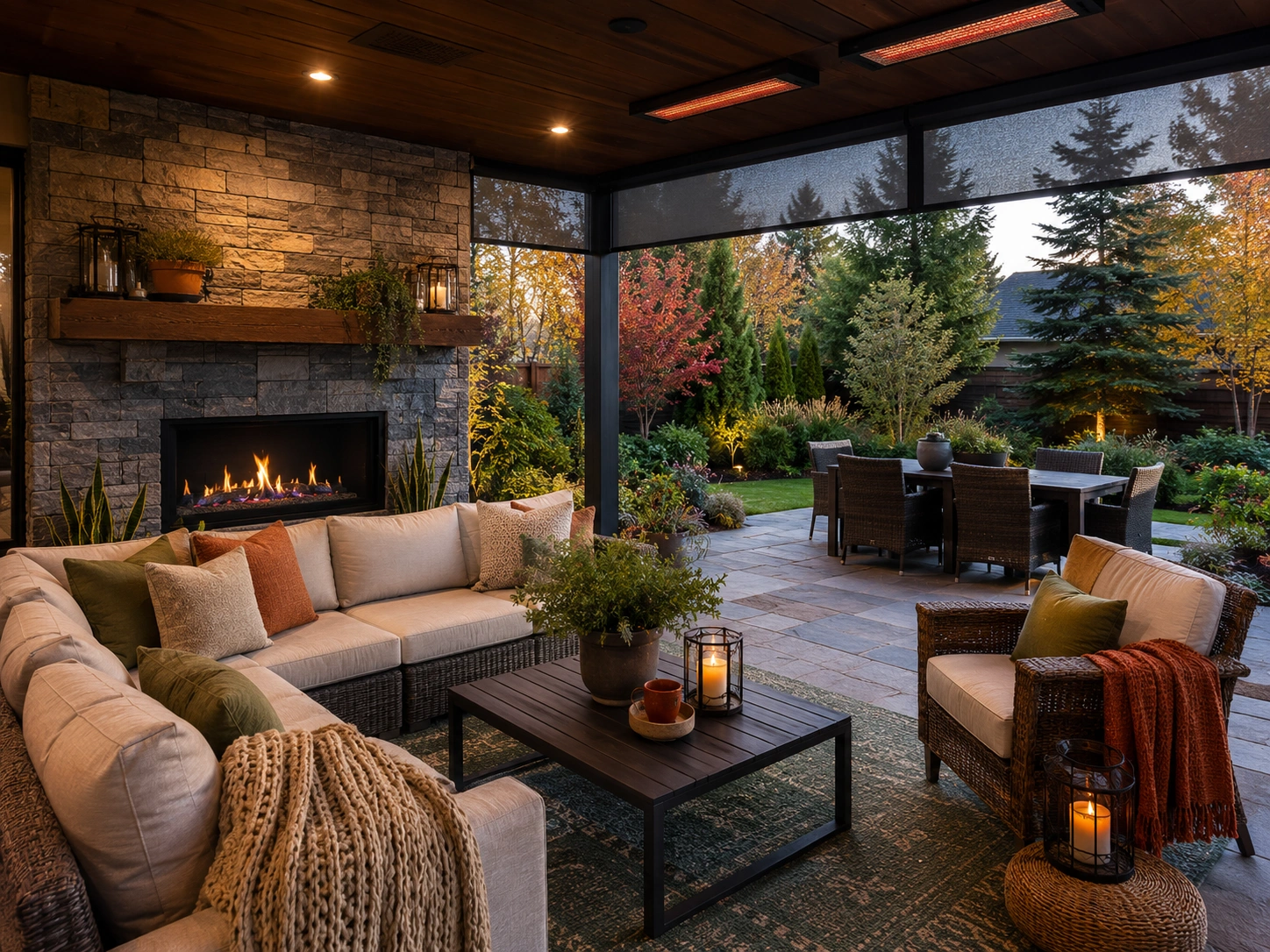
For instance, we’ve seen buyers respond well to a covered alfresco area with built-in seating, particularly one designed to hold up through a Brisbane summer. That’s because a covered, functional space tells buyers the outdoor area works for them from day one.

How Valuers Assess Outdoor Areas

As we mentioned earlier, outdoor areas built around a clear purpose, dining or entertaining guests, consistently receive favourable mentions in Brisbane valuation reports. From a valuation standpoint, indoor-outdoor flow goes beyond design preference. A well-connected outdoor area signals a considered layout, and valuers factor that directly into their assessment of the home’s overall liveability.

The truth is, not every upgrade pays for itself, but research into renovation returns shows that functional living space additions come closest every time.

Are Outdoor Kitchens Worth the Investment?

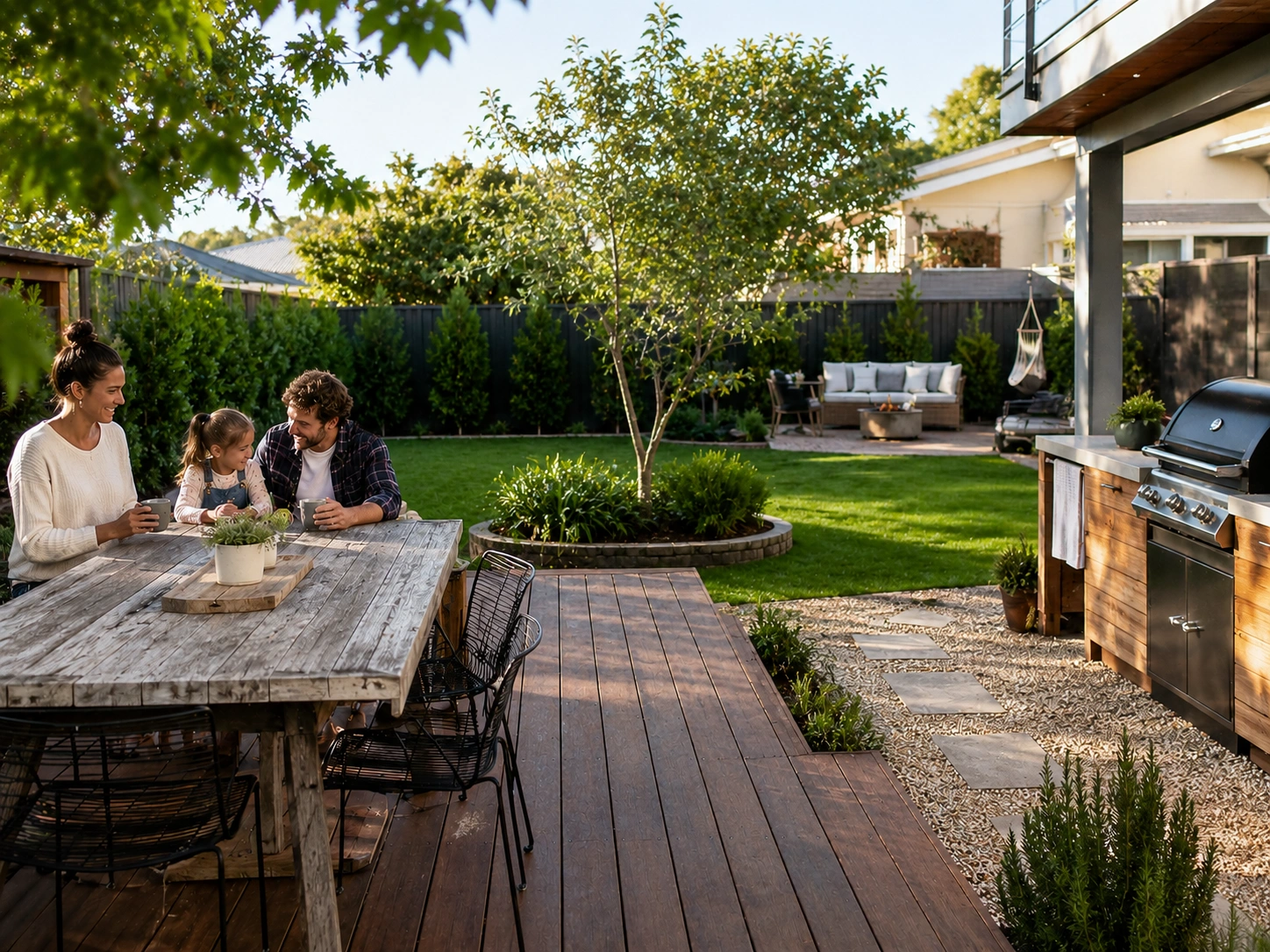
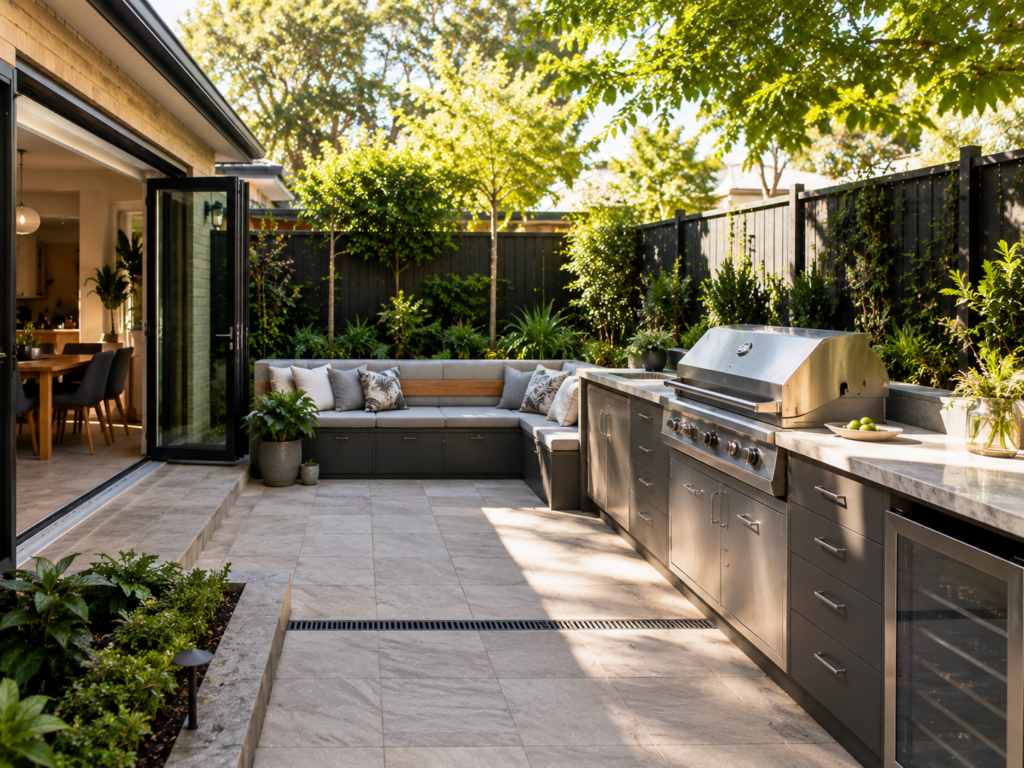
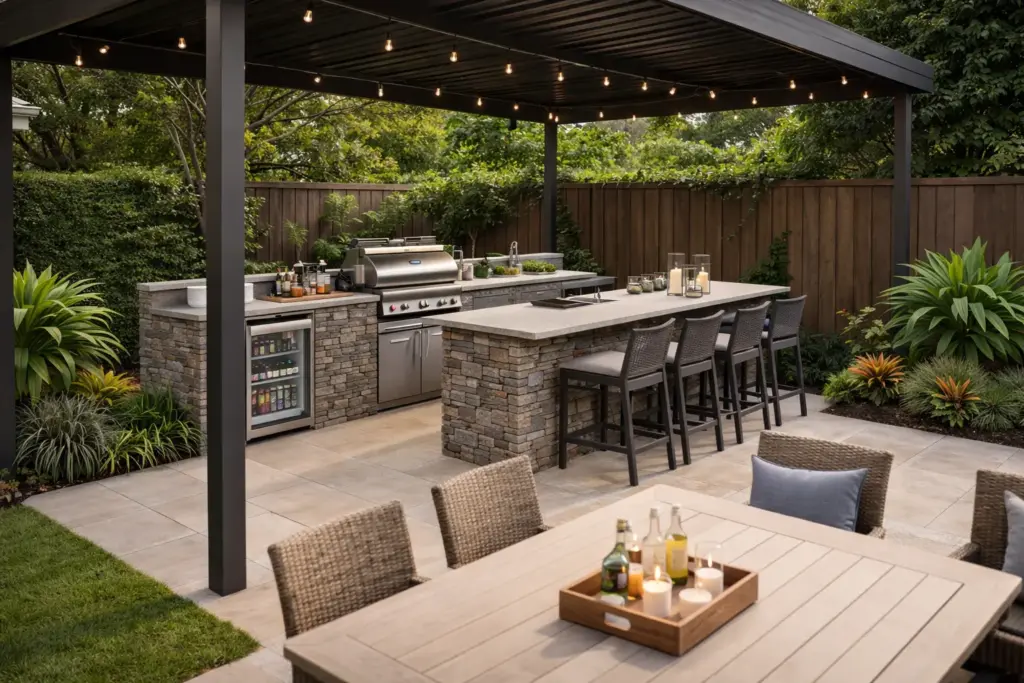
A well designed Outdoor Kitchen to suit the climate

Outdoor kitchens can only add real value to a property when they are built well and designed to suit the climate. And no, a portable BBQ and a fold-out table don’t count. A genuine outdoor kitchen needs the right materials, positioning, and layout to pay off at resale.

These three decisions determine the outcome:

  1. Weather Resistance: Brisbane summers are brutal on outdoor materials. Benchtops and cabinetry take the worst of it, which is why material selection is important. Stainless steel and compressed cement sheeting resist warping and corrosion well in Brisbane’s climate. And pairing them with weather-resistant furniture keeps the whole setup low-maintenance for years.
  2. Layout and Positioning: An outdoor kitchen placed too far from the interior kills the flow of entertaining. So, we recommend positioning it close to the indoor cooking area, with direct sightlines to the outdoor dining space. This arrangement will keep guests comfortable and hosts sane.
  3. Shade and Shelter: Without overhead cover, an outdoor kitchen sits unused for months of the year. In Brisbane’s weather, an overhead cover is not optional. A pergola helps, but insulated panels outperform polycarbonate roofing in Brisbane’s heat, where afternoons regularly push past 30 degrees.

In short, a well-built outdoor kitchen adds to both daily livability and long-term value. However, a poorly planned one rarely recovers its cost.

Landscaping Choices That Pay Off at Resale

Of all the pre-sale upgrades a homeowner can make, good landscaping delivers one of the strongest returns. What’s more, landscaping and gardening efforts sit consistently at the top of high-return improvement lists, and that holds across Brisbane properties.

The flip side is just as important to understand. A neglected garden signals poor upkeep before buyers have even stepped inside, and it colours how they see everything else during the inspection. So when you invest in good landscaping, you improve curb appeal, lift property value, and give buyers confidence that the home has been looked after.

Simply put, less is more when it comes to pre-sale landscaping. A good professional landscaper will always lean toward structure and groundcover over decoration. And more often than not, those choices are what translate into significant value at resale.

Low-Maintenance Design and the Best Plants for Brisbane Backyards

Low maintenance garden beds in the backyard

A low-maintenance backyard is one of the most appealing scenes a property can offer. That’s because Brisbane outdoor spaces need to hold up through intense summers and heavy wet seasons, and buyers know it.

Here is what to focus on.

Plants That Perform Well in Brisbane’s Climate

For Brisbane backyards, the best plants handle heat, humidity, and seasonal storms without much intervention. Native species survive here with minimal attention because local soil and rainfall patterns already suit them.

From there, the plant selection becomes straightforward. Low-maintenance garden beds built around lomandra, callistemon, and grevillea stay presentable year-round with very little work involved (Lomandra and callistemon are good starting points, tough, low-water, and widely available).

Design Choices That Keep Maintenance Low

Paved or gravelled areas are worth considering for one simple reason: they cut down lawn maintenance while adding curb appeal at the same time. Future buyers notice that combination.

Beyond the hard surfaces, a tidy garden with clean edges and consistent groundcover around a simple patio layout is what prospective buyers remember after inspection.

In short, the best backyard for resale is often the one that needs the least looking after. Before you finalise your renovation plan, here is where a lot of budgets go wrong.

Common Mistakes That Hurt Your Landscaping Return on Investment

A handful of backyard features consistently fail to return their cost at resale. The three that Brisbane homeowners encounter most are swimming pools, laser-cut screens, and overspending on personal taste.

Each one tells the same story at resale.

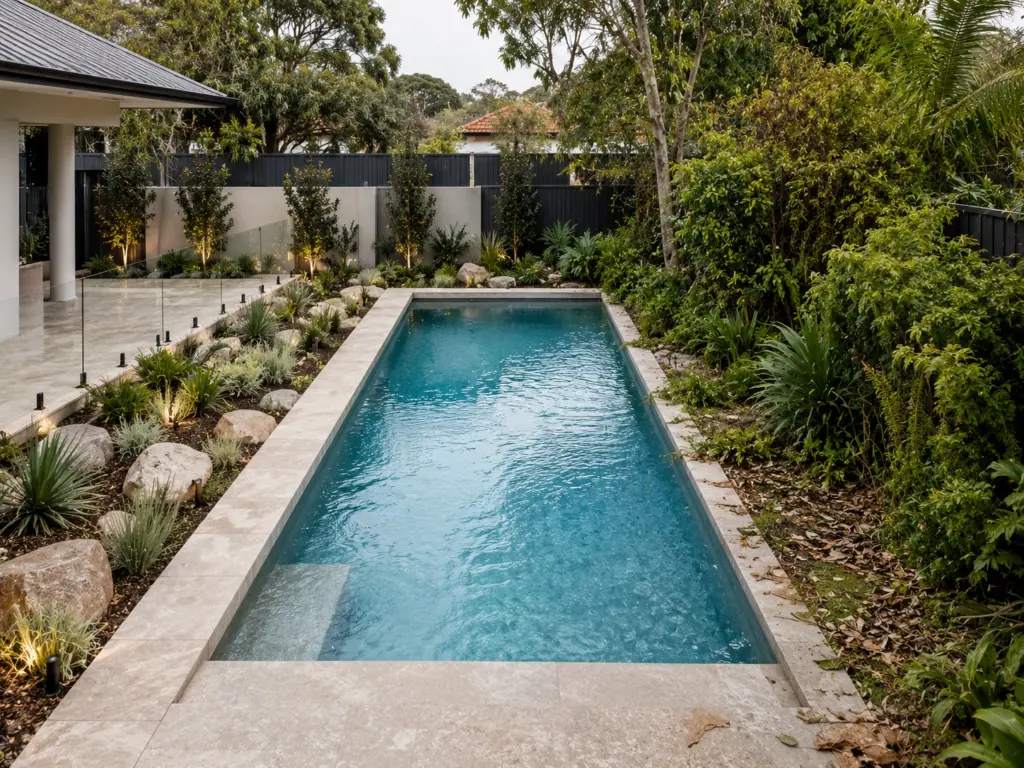
  • Swimming Pools: An inground pool in Brisbane costs tens of thousands to install, with ongoing maintenance adding to that bill every year. That investment rarely comes back at resale. On top of that, pools appeal to a narrow buyer segment, which puts a ceiling on auction competition.
  • Laser-cut Screens: Decorative screens might look sharp on a mood board, but they add no functional value to an outdoor area. Trends in outdoor living move quickly. What looked fresh five years ago already looks dated on many Brisbane properties.
  • Overspending on Personal Taste: Conversation pits, water features, and outdoor art are personal choices that buyers may not share. Most walk through and see a removal cost, not a feature. So every dollar spent on a niche addition could go toward paving or a covered alfresco area instead.

That’s why our experts always say: spend on what a wide range of buyers will value, while your personal choices wait.

Not Every Upgrade Is Worth Your Money

Backyard renovations can add serious value to a property. But plenty of Brisbane homeowners spend big and see little return, simply because the upgrades they chose looked good without appealing to future buyers.

In this article, we covered which outdoor living spaces pay off at resale, which common mistakes hurt your landscaping return on investment, and how low-maintenance design keeps buyers and valuers happy.

The right upgrades are clear. Avalon Acres works with Brisbane homeowners on outdoor renovations that add real, lasting value. Our team will take you through every decision you need to make.

Let’s build something worth every cent.

post

Why Some Backyards Feel Expensive (Even When They Are Not)

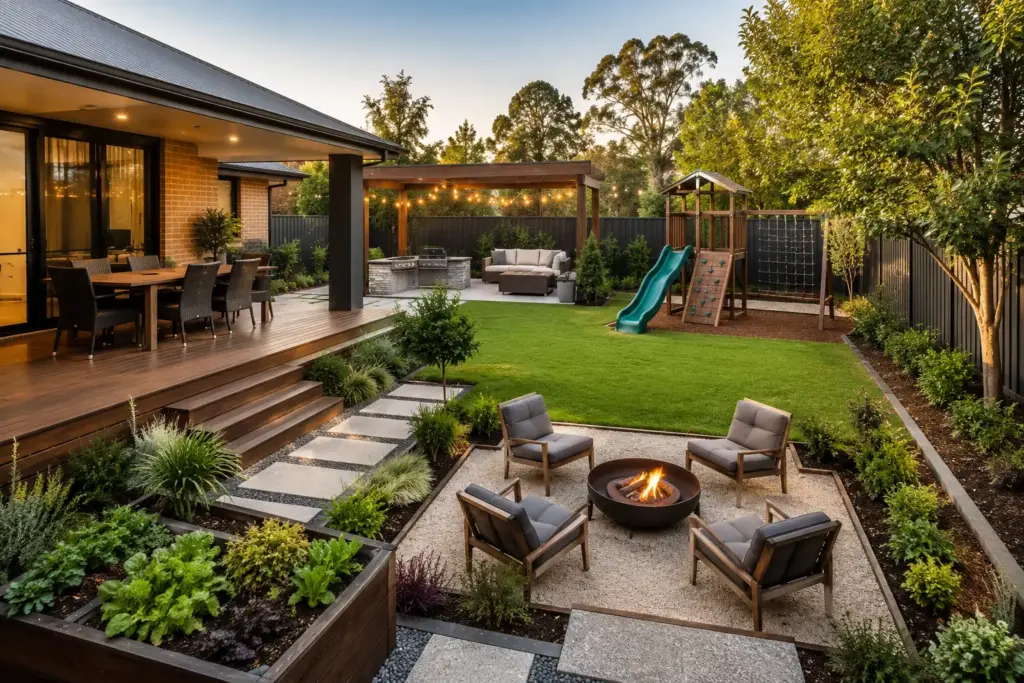
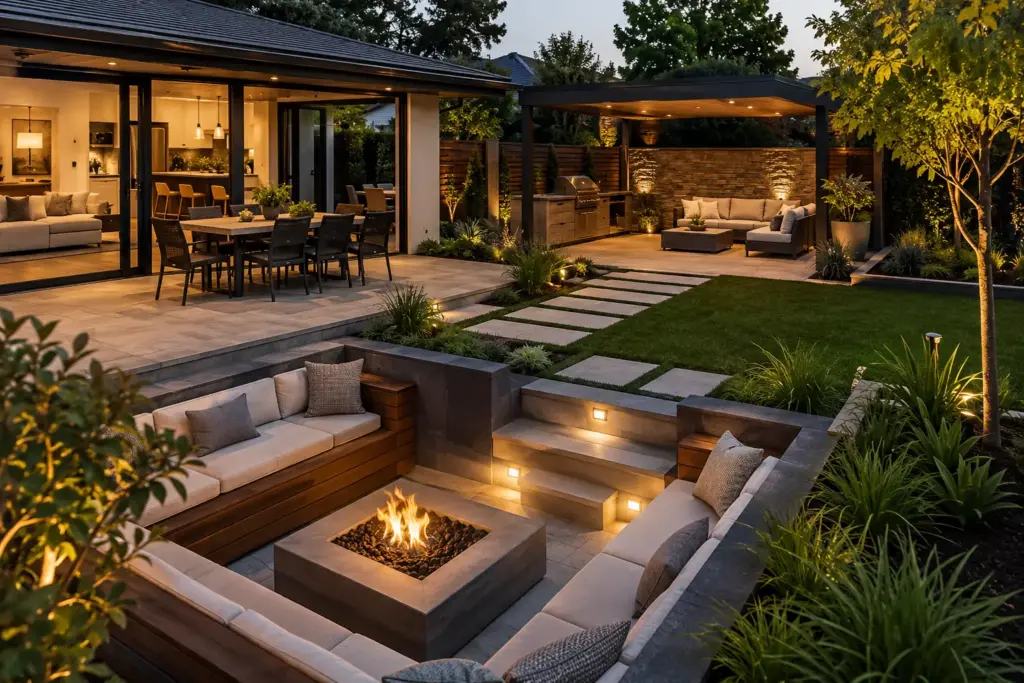
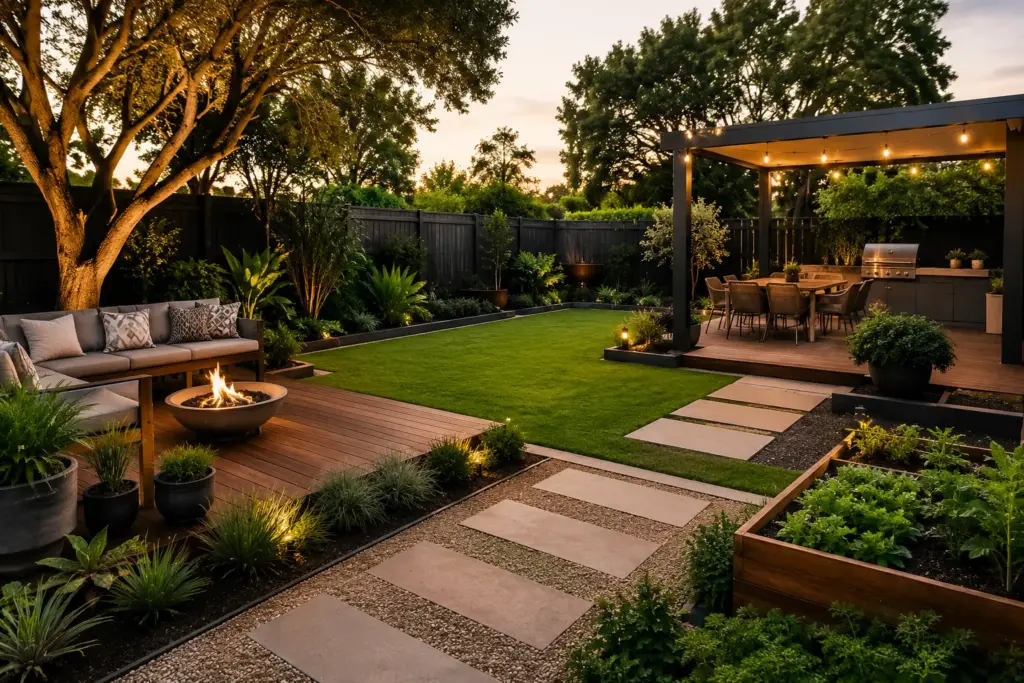
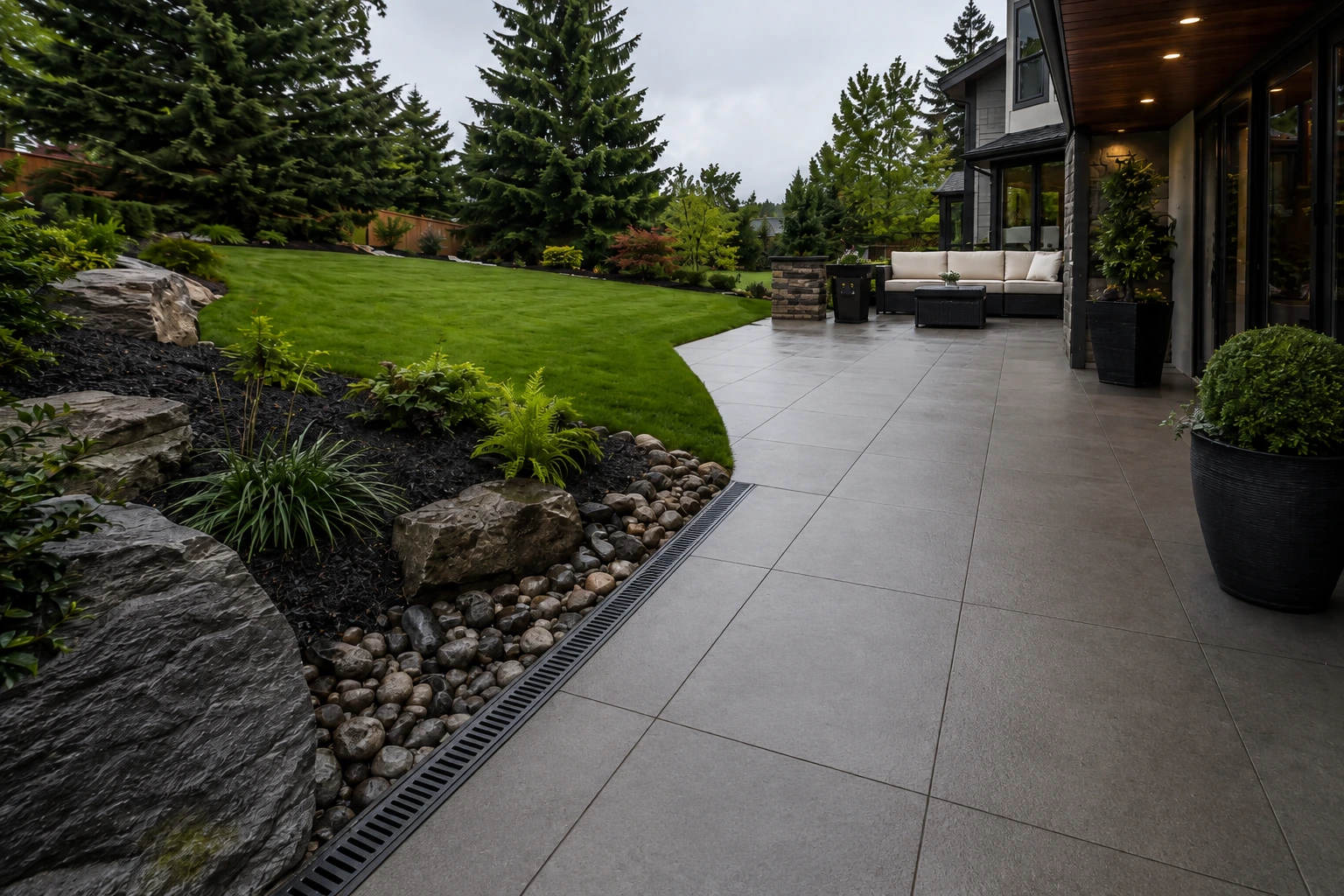
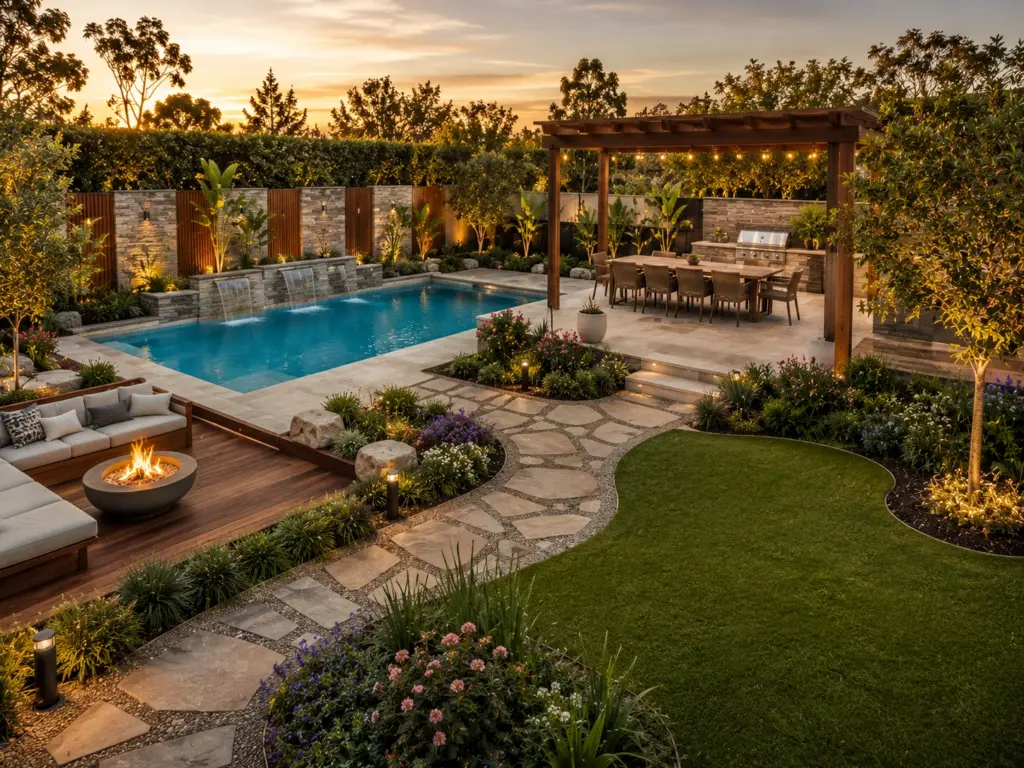
The difference between a cheap-looking backyard and an expensive one usually comes down to spacing, simplicity, and restraint (not the size of the budget). Most luxury backyard ideas on a budget rely on a handful of design choices that make the whole space feel intentional, even when the materials aren’t high-end.

We work on Brisbane backyards all the time, where the goal is that polished, put-together look without the matching price tag. The ones that turn out best almost always keep things simple. That’s because fundamentals like balance, proportion, and scale do most of the heavy lifting, even on a modest budget.

This guide breaks down the layout tricks, material picks, and planting ideas that will make your backyard feel premium without blowing your savings.

Backyard Landscaping Ideas That Add Texture and Depth

Texture is one of the easiest ways to make a flat, boring yard feel layered and intentional without spending much. A few backyard landscaping ideas focused on depth can completely change how your outdoor space feels.

Here are three approaches that work well together:

  • Mixed Materials: Combining timber, gravel, and natural stone at ground level creates visual interest across your garden without adding cost (it’s one of the cheapest tricks in the book). Even simple additions like mulch and ground covers help build that layered look with minimal effort.
  • Plant Grouping: Arranging plants by height and leaf shape gives even a basic garden bed a landscaped feel. If you group taller plants behind shorter ones, the eye will naturally travel deeper into the space.
  • Repeating Textures: Carrying one texture across different zones ties your whole backyard together. This kind of repetition is what makes a space look designed rather than pieced together.

When these three elements work together, your yard starts to feel like it has real depth, even on a small block.

Garden Design Tricks With Climbing Plants and Layered Greenery

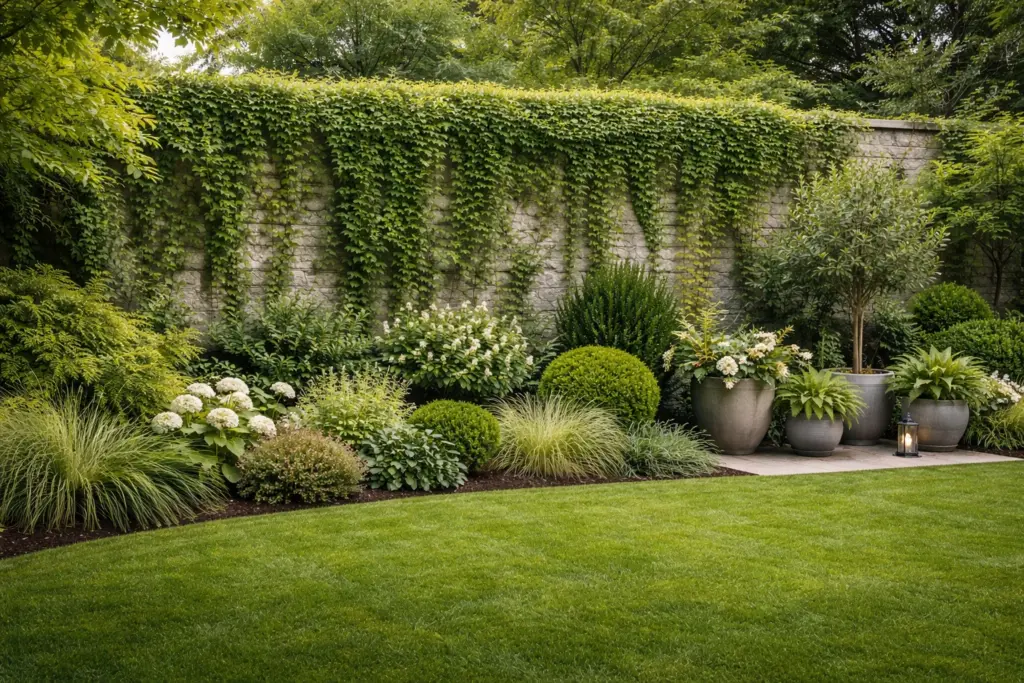
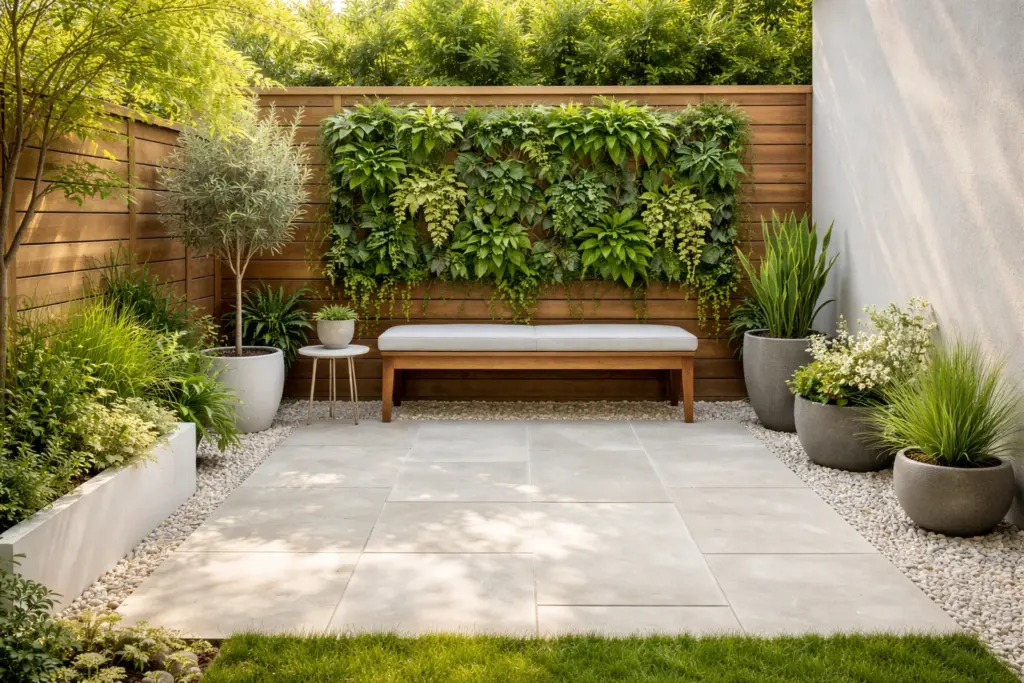
Backyard with climbing plants and layered greenery design

Now, let’s look at one of the most underrated moves in garden design: going vertical. When your garden beds and ground-level plants are sorted, climbing plants are the next step for adding height and fullness without eating into your lawn or patio space.

Believe it or not, a single star jasmine planted at the base of a wood fence or pergola can fill an entire wall within a season or two. And when you pair that with layered plantings of different heights, you get the kind of lush greenery you’d expect from a landscape designer’s portfolio. To keep that look going year-round, choosing native plants that suit your local climate helps your garden stay full without adding extra maintenance.

From our experience, odd-numbered groupings of three or five plants tend to look the most natural. That kind of spacing creates depth and mimics professional planting schemes, which gives even a small space a mature, established feel.

Backyard Ideas for a Fire Pit Area That Feels High-End

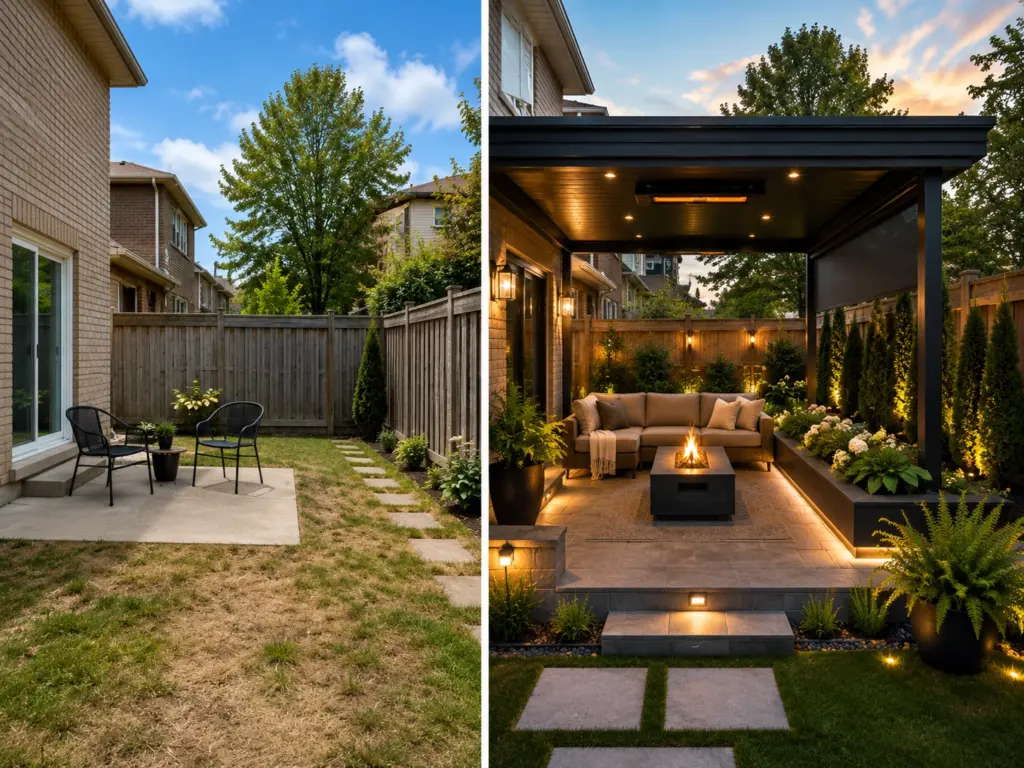
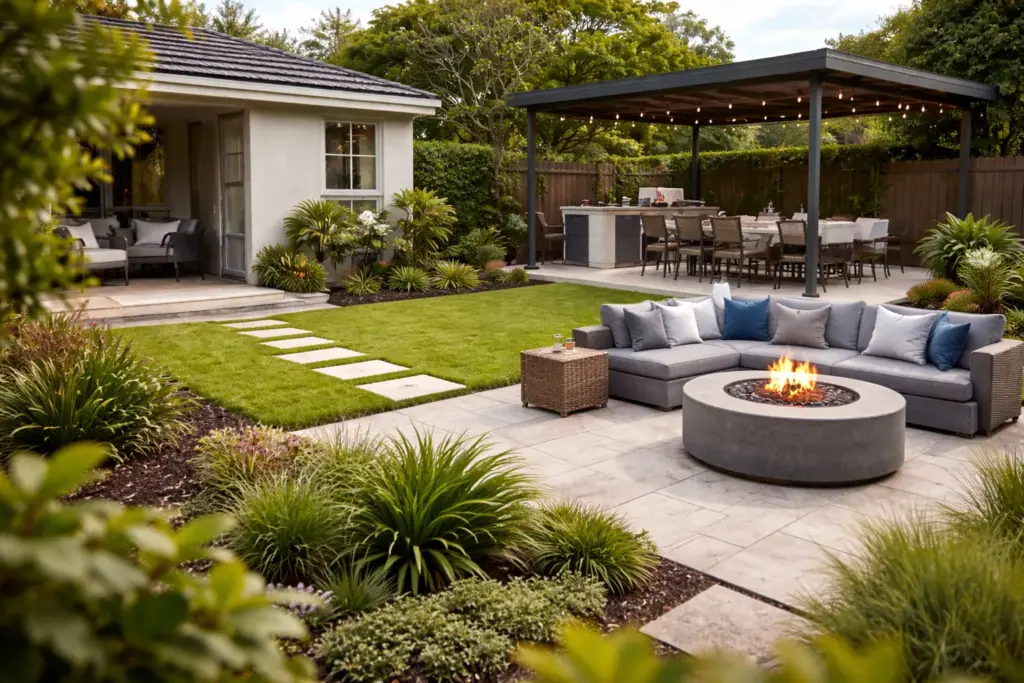
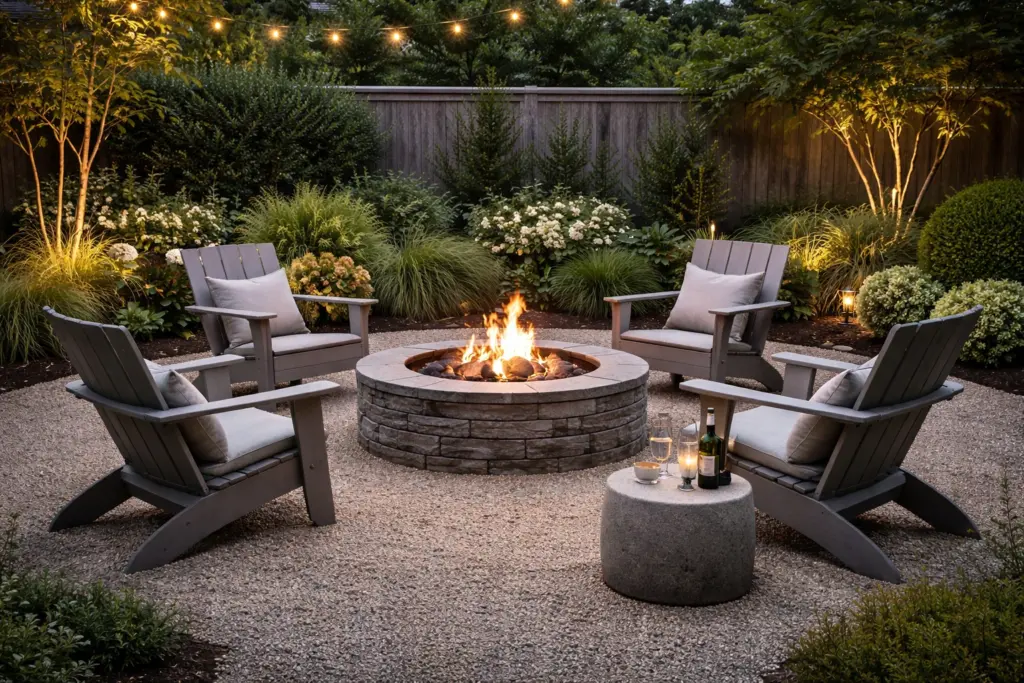
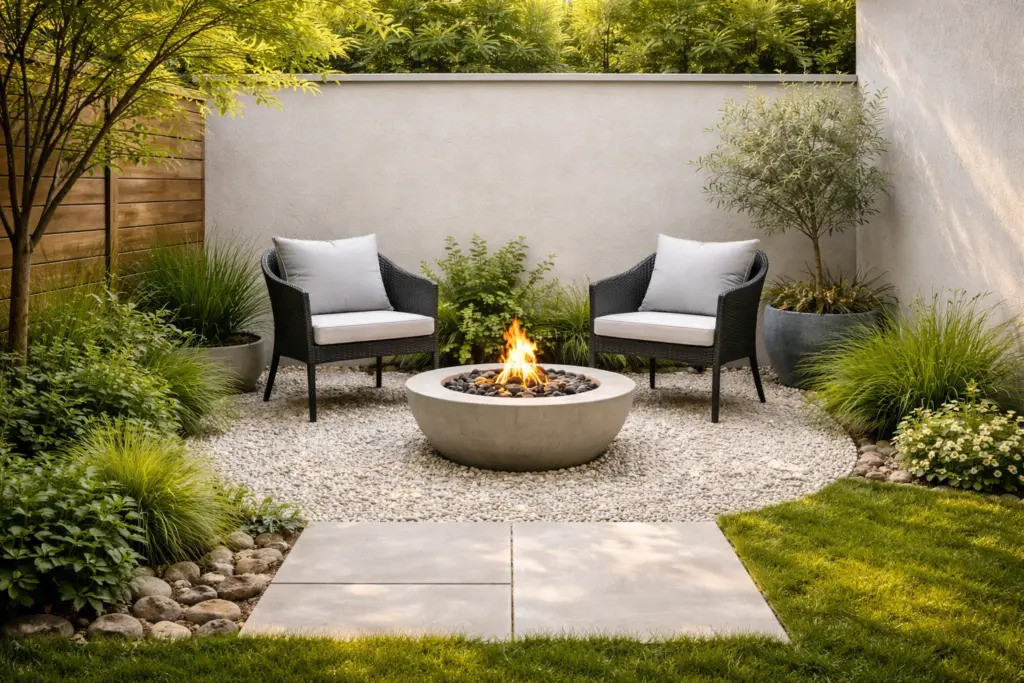
High-end style backyard fire pit with simple seating

A fire pit zone is one of the quickest ways to add a premium feel to any backyard, and it doesn’t need a big budget. The key is in the placement and materials, so let’s break those down.

Picking the Right Spot

Positioning your fire pit away from the main patio creates a second dining area and makes the yard feel larger (that alone can make a $500 setup feel like a $5,000 one).

We’ve done this on a few Brisbane projects, and the difference is obvious. When your backyard has two distinct zones, the whole space feels more purposeful, and even simple comfort upgrades go further.

Materials That Look Premium for Less

Affordable materials like concrete pavers or stacked natural stone look premium when you keep the design clean.

A gravel surround with comfortable seating and a few feature trees nearby will tie your fire pit area together. And if you stick with one or two materials instead of mixing too many, the final look will feel cohesive and intentional.

Once the layout and planting are sorted, you need to look at what materials to use.

Affordable Landscaping Tips for Smarter Material Choices

Most homeowners assume they need expensive paving or imported stone to get a premium look, but a few cost-effective swaps can get you surprisingly close. If you’re planning your backyard upgrade around a realistic budget, this is where your decisions will have the biggest visual impact.

 Budget Material Expensive Alternative Why It Works
 Exposed aggregate concrete Honed granite pavingSimilar texture at a fraction of the cost
 Treated pine sleepers Hardwood retaining wallsClean lines with the same structural result
 Local sandstone Imported natural stoneSuits the Brisbane climate and cuts freight costs
Crushed gravel or stepping stones Porcelain paversAdds a rustic look to garden paths and firepit areas

Frankly, choosing one hero material and using it consistently across your backyard will always look more expensive than scattering five cheaper options around.

Concrete is a great example. When you finish it with an exposed aggregate or honed texture, it mimics the look of pricier paving, and most people won’t pick the difference. Locally sourced materials like sandstone or hardwood also keep costs down while suiting local soil conditions.

Backyard Layout Ideas and Landscape Design That Create Space

Why do some backyards feel twice the size of others with the same square footage? Layout is almost always the answer. A well-planned landscape design creates flow between areas, and that sense of movement is what makes a backyard feel open.

These layout shifts make a noticeable difference:

  • Defined Zones: Breaking your yard into distinct areas for dining, lounging, and gardening gives the whole space structure. When each zone has a clear purpose, your backyard stops feeling like one flat lawn and starts working as an outdoor living area.
  • Curved Pathways: Angled decking or curved stepping stones through your garden make a rectangular block feel wider. It’s something we notice on almost every backyard reno we walk into, the homes that use angles always feel bigger than they are.
  • Negative Space: Leaving breathing room between your patio, garden beds, and furniture is just as important as what you fill them with (we’ve seen it happen more times than we can count). If you crowd every corner, the whole yard will feel smaller, regardless of how good the individual pieces look.

When the layout is right, even a small backyard with limited space will punch well above its weight.

Cost-Effective Backyard Landscaping and Garden Ideas Worth Copying

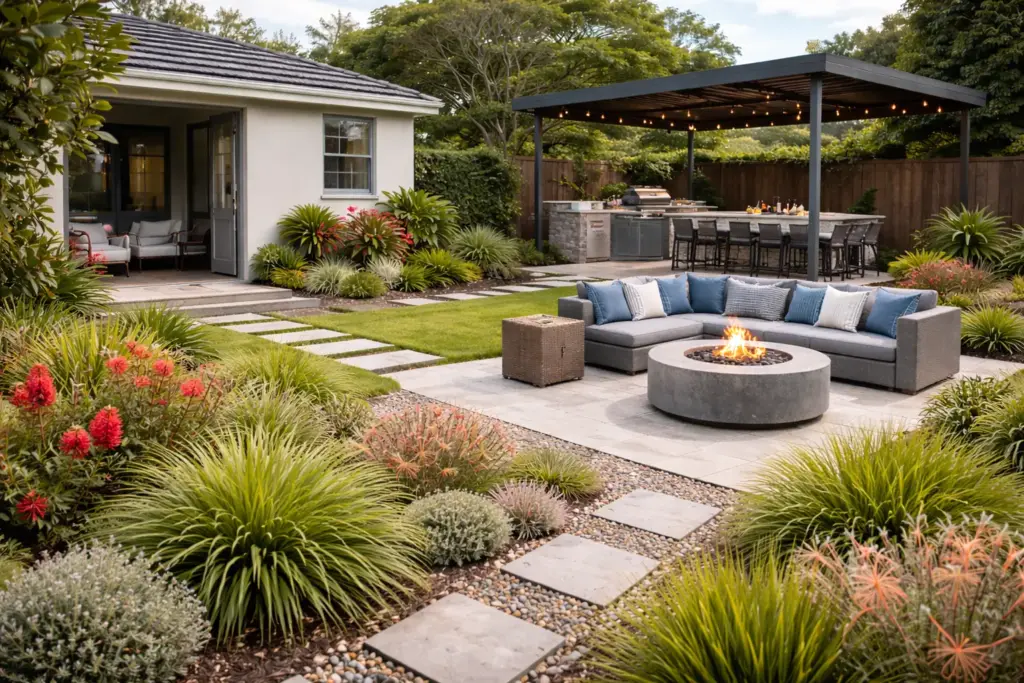
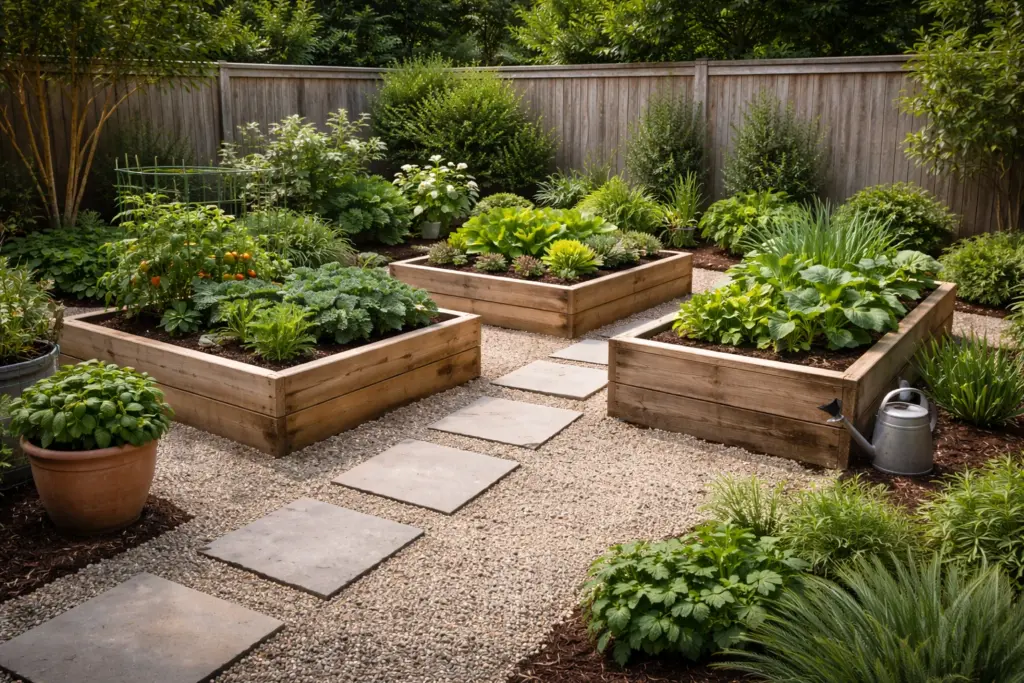
Affordable backyard landscaping with simple garden beds and gravel path

Now that we’ve covered the bones of a good backyard, let’s talk finishing touches. But here’s the thing most people skip: the small details at the end often separate a yard that looks fine from one that looks professionally planned.

These cost-effective ideas are worth borrowing:

  • Statement Trees: Pairing a single feature tree with low ground cover underneath draws the eye upward and creates a natural focal point. You get height, depth, and structure from one planting combo, without filling an entire flower bed.
  • Garden Edging: DIY edging with treated pine sleepers or recycled brick gives your garden beds and planting areas a polished frame. And once that border is in place, even a simple backyard garden starts to look intentional rather than scattered across a bare lawn.
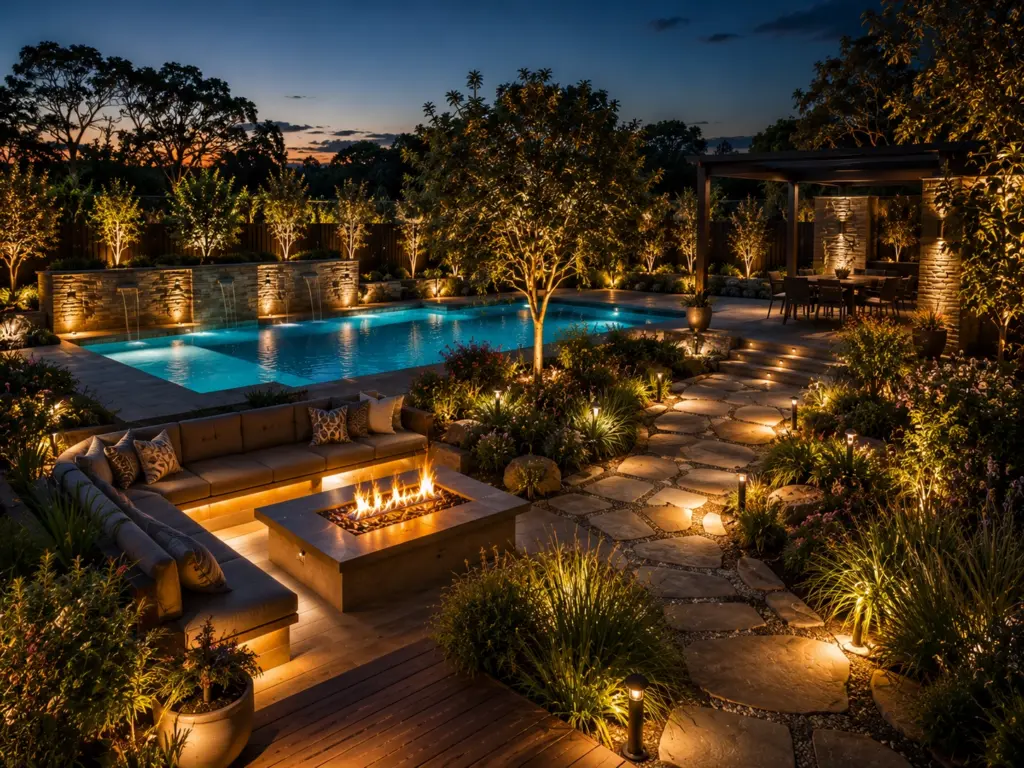
  • Outdoor Lighting: Placing lights along stepping stones or under mature trees changes the whole mood of your backyard after dark. It turns a daytime-only space into somewhere your family can enjoy year-round.

A few well-chosen touches like these lift an entire backyard without adding much to the cost.

Small Design Ideas, Big Backyard Impact

You don’t need a massive budget or a complete backyard overhaul to create a beautiful outdoor space.

Most of the design ideas in this guide cost very little on their own, but when you layer them together, the visual impact adds up fast. A few stepping stones here, some lush planting there, a fire pit with comfortable seating, and suddenly your backyard garden feels like somewhere you actually want to spend time with your family.

Ready to get started on your backyard? Get in touch with the Avalon Acres team, and we’ll help you plan a space that looks the part without blowing the budget.

post

Small Yard Layout Fixes That Make a Big Visual Difference

If your small backyard feels cramped, the problem probably isn’t the size. In most cases, it comes down to how the layout is set up, because even a compact yard has enough room to feel open and comfortable when things are in the right spot.

We’ve worked on small backyard renovations across Brisbane, and the fix is almost always the same. Once you move a few things around and rethink the zones, the whole space starts to feel twice as big without any major construction or budget blowouts.

This guide covers simple layout adjustments you can make to your small garden, from how you arrange your furniture to where you place a focal point. Each one will create a bigger visual impact without adding a single extra metre to your yard.

So what does a well-planned small backyard actually look like?

Small Backyard Design Ideas That Add More Space

Small backyard using light colors and vertical plants to feel larger

Small backyard design ideas that actually work tend to focus on one thing: making your garden look and feel bigger without adding any extra space.

And simple layout fixes like diagonal pathways, clear sightlines, and defined zones can completely change how your yard reads from the back door. Here are three worth trying first:

Use Diagonal Lines to Add Length

Straight paths and square paving make a small yard feel flat and predictable. But when you angle a walkway or lay natural stone pavers on a diagonal, the eye follows a longer line from corner to corner. This forced perspective stretches the space visually and creates an illusion of depth that a straight layout can’t offer.

Keeping your paving materials and plants in proportion to the yard’s size also helps the whole garden design feel balanced rather than cramped.

Break It Into Zones

One open area with everything thrown in will always feel smaller than a yard broken into two or three defined sections. You can create zones using low hedges, potted plants in grouped pots, or even a change in ground level with stepping stones or a gravel path.

Each zone gives your backyard a sense of purpose, and that structure alone makes the garden feel more like a series of outdoor rooms than one tight space.

Keep Your Sightlines Open

The biggest change we keep seeing on Brisbane backyard projects is usually the simplest, clearing the view from the back door to the far fence. When you can see straight through the yard without a tall shrub or bulky deck piece blocking the way, the whole space opens up.

If you place taller plants along the fence line instead of the centre, your small garden will feel longer, and your landscaping will look intentional rather than random.

Now, let’s look at one of the biggest space killers in a small yard: your furniture.

Small Yard Layout Starts With Outdoor Furniture

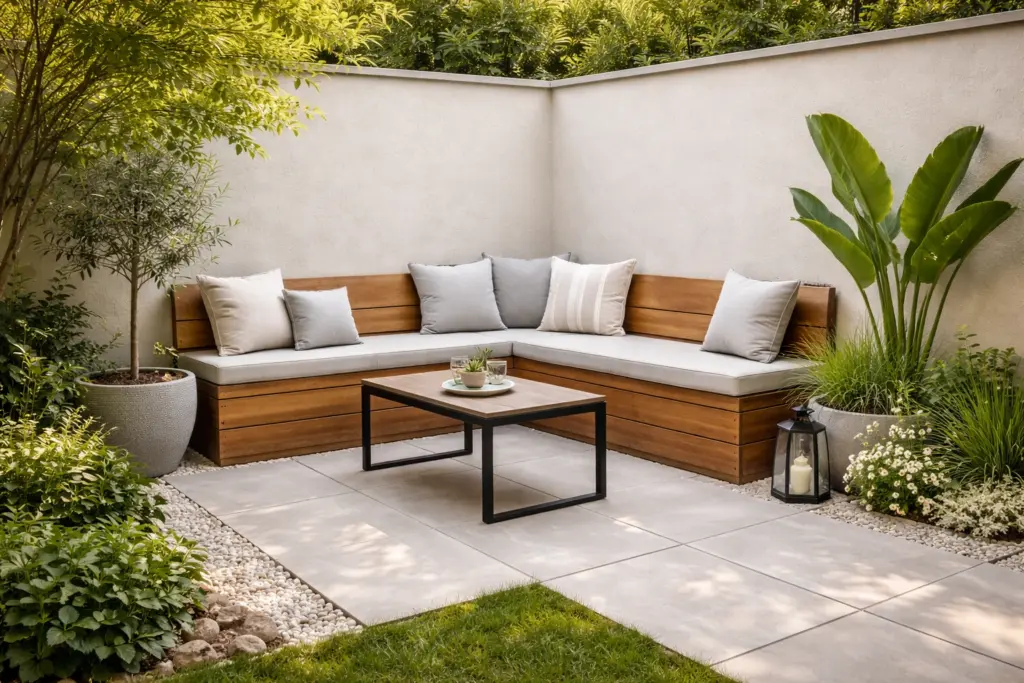
Backyard with built-in bench seating to save space

The right outdoor furniture in the right spot can make your backyard feel twice as open without buying anything new.

Believe it or not, pulling your outdoor setting just 30cm off the fence opens up the edges and gives your garden room to breathe. Most people push everything flat against the wall, but that actually makes the space feel tighter (even we’ve been guilty of buying that massive outdoor lounge that barely fits). If you simply map out your sun and shade patterns before placing anything, your furniture will land in a spot that works for both comfort and flow.

What’s more, multi-use pieces like bench storage or foldable tables work harder in tight yards because they give you seating and storage without cluttering the patio. So before you rearrange, take a step back and look at how much room your current setup is actually using.

Backyard Space Saving Ideas Using Built-in Seating

What if your seating could do more than just give people somewhere to sit? That’s exactly what built-in seating does, and it’s one of the easiest backyard space-saving ideas since it frees up floor space while adding style and storage to your garden.

There are a few setups that work well in most small backyards:

  • Bench Seats Along Fences: A timber or rendered bench along your fence line removes the need for bulky chairs and opens up the centre of your yard for plants, pots, or a small fire pit.
  • Hidden Storage: Most built-in bench seats double as storage for cushions, toys, or garden tools (a standard bench can hold roughly 100 litres underneath). That means less clutter around your patio.
  • Corner Nooks: An L-shaped seat tucked into a corner creates a social seating area without eating into the middle of your backyard, and it leaves room for a small garden bed or deck space nearby.

Using even one of these will give your small backyard a cleaner, more intentional style.

Small Space Landscaping Tips for a Small Garden

Small space landscaping can make or break how open your garden feels, and frankly, most homeowners default to ground-level garden beds when vertical planting would give them twice the greenery in half the space.

This quick comparison shows why.

  Vertical Planting Ground-Level Beds
 Space Used Fence and wall surfaces Ground and garden bed area
 Visual Effect Adds height and depth Fills out the lower garden
 Maintenance Low maintenance once set up Regular weeding and mulching
 Best For Small backyards with limited space Yards with more room to spare

Vertical planting on your fence using mounted planter boxes is one of the fastest ways to add greenery to a small garden without losing ground space. Plants likestar jasmine grow along vertical surfaces and create a lush feel year-round with very little upkeep.

From there, you can layer your plants at different heights to add depth to tight garden beds. Try low ground cover at the front, shrubs in the middle, and taller plants along the back fence.

Pro Tip: Sticking to one or two varieties keeps the colour consistent and gives your small garden design a cleaner look.

Every Outdoor Space Needs a Focal Point

Small backyard with a fire pit as the main focal point

Every outdoor space needs something that pulls your attention and gives the garden a sense of direction. A focal point does exactly that, and it doesn’t need to be anything expensive.

We’ve put fire pits and water features at the back of plenty of compact yards across Brisbane, and every time, it adds more depth than extra planting ever does. When you place a feature like a fire pit at the far end of your backyard, it draws the eye outward and creates an illusion of length.

You can even build interest around it with grouped pots, a small deck, or low plants that frame the feature without competing with it.

And don’t forget about light. Even the most attractive focal point disappears once the sun goes down (without lighting, your garden loses half its style after dark). A couple of solar uplights or festoon lights will change your outdoor area year-round and give you a reason to sit outside for longer.

Backyard Landscaping Ideas Only Work With the Right Layout

There’s no way around this; backyard landscaping ideas only work when the layout is right. You could fill your small garden with plants, garden art, and new paving materials, but none of it will look the way you want if the layout hasn’t been thought through first.

Most small backyard projects run into this exact problem because people jump straight to the landscaping and design ideas before thinking about how the space actually flows.

If you start with planning and get your layout sorted first, everything else falls into place. Your plants will have room to grow, your garden design will feel balanced, and your outdoor living area will create the kind of backyard you actually want to spend time in.

If you’re not sure where to start with your small garden design, we can help. Get in touch with our team atAvalon Acres to chat about what’s possible with your space.

post

Why Fire Features Are Becoming the Center of Outdoor Spaces

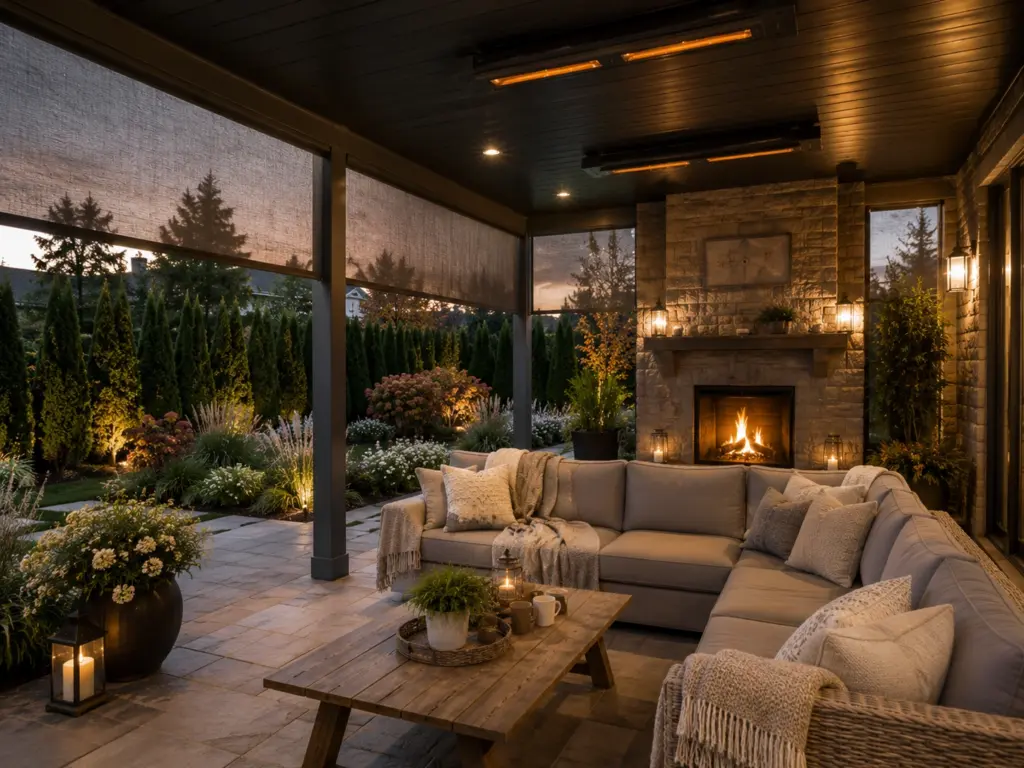
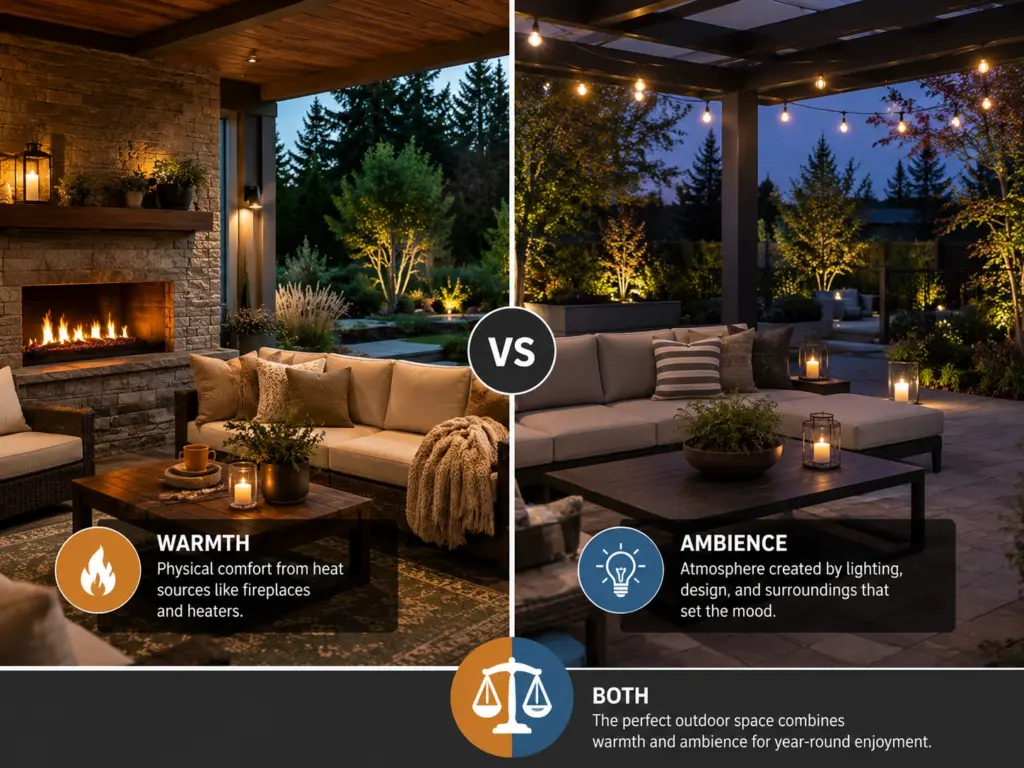
Fire features create warm gathering spots that naturally draw people together, extending outdoor living time year-round. Plus, a backyard fireplace adds a special aesthetic to your outdoor space and gives you a reason to head outside even when the temperature drops. And once you’re out there, it’s hard to leave.

Families and friends naturally gravitate toward the warmth and flickering light. They pull up chairs, settle in, and stay longer, which converts the backyard into a space for relaxing and entertaining rather than just sitting unused.

This guide covers the different fire options available, from fire pits to outdoor fireplaces. You’ll also learn how to pick the right style for your backyard and what to think about before you start building.

Let’s start by looking at why fire features have become popular in Australian homes.

What Makes Fire Features So Popular in Backyards Today?

Fire features have become backyard essentials because they solve a common problem with outdoor spaces: they’re comfortable for a few months each year.

A fire pit or outdoor fireplace usually lets you use your patio during cooler Brisbane evenings and right through winter. So you’re not stuck inside the house just because the sun went down. Besides, the space stays usable year-round, which means you get way more value from your outdoor living area.

These features also create natural gathering spots. We’ve noticed this at pretty much every project we work on. People don’t just walk past a fire. They pull up a chair, sit down, and stay for hours. Therefore, your backyard becomes the place where family and friends want to spend time, instead of just a patch of lawn you mow on weekends.

Plus, there’s a fire feature style to suit any budget and backyard size in Australia. You can find options for compact courtyards or sprawling properties. This flexibility means most homeowners can add one without massive renovations or entertaining expenses.

Types of Fire Features: Finding What Fits Your Space

Types of Fire Features: Finding What Fits Your Space

The best part about fire features is that you can choose from affordable portable fire pits, built-in outdoor fireplaces, or modern fire bowls, depending on your backyard size and budget. Each type works differently and suits different needs.

Now, we’ll walk through the main options so you can figure out what fits your outdoor area:

Fire Pits for Casual Gatherings

Fire pits offer flexible seating arrangements. You can move chairs around to fit different group sizes, which makes them perfect for casual nights with friends and family.

They’re also the most affordable fire feature option. Quality fire pit models generally start around $300 for portable versions, and you can even find cast-iron fire pits or fire pit bowls in different styles.

The setup is very simple, too. Drop the firepit on gravel or pavers, gather some firewood, and you’re ready to go. Some homeowners even use them as a spot for weekend BBQs in their courtyards or backyards.

Quick tip: Fire pits don’t direct smoke away, so place yours where the wind won’t blow smoke straight at your seating area.

Outdoor Fireplaces for Year-Round Comfort

If fire pits are casual, outdoor fireplaces are a step up. They provide directional heat by keeping one side of your patio warm, even in windy conditions. The structure also blocks the wind better than an open fire pit.f

Sometimes, fireplace designs can increase the property value. They become permanent architectural features in your outdoor living space, and buyers notice them. The investment pays off here if you’re thinking long term.

In an outdoor fireplace, chimneys draw smoke upward and away from your seating. So you’re not constantly shifting chairs to avoid smoke in your eyes or dealing with that smoky smell in your hair. Besides, they give you room to explore different ideas for your patio layout since the heat stays more contained.

Fire Bowls as Modern Design Statements

Fire bowls work as functional art pieces with modern interiors. They add sculptural interest to your garden even when they’re not lit.

On top of that, their raised designs keep flames at eye level and create a better ambience for standing conversations at gatherings. As the light hits faces naturally, the fire bowl becomes a centre point for entertaining.

Meanwhile, gas-powered fire bowls light instantly. No wood storage, no ash cleanup, no waiting around. You flick a switch, and you’ve got fire. At the same time, they come in heaps of materials like concrete and different colours, and some even use glass elements for a more polished look.

Backyard Fire Feature Ideas That Complement Your Outdoor Living

Backyard Fire Feature Ideas That Complement Your Outdoor Living

Once you’ve picked your fire feature type, designing the space around it becomes more interesting. Because design ideas can take a basic fire pit or fireplace and create spaces worth spending time in.

Think about these options for your own backyard setup:

Built-In Seating Around Your Fire Feature

Permanent bench seating usually eliminates dragging chairs out every time you want to use your outdoor space. These stay in your seating area, ready whenever you light the fire.

In fact, stone or brick seats retain warmth from the fire. They absorb heat and give it back slowly, so you can sit for hours without getting cold. Plus, built-in storage under the seating keeps firewood dry and close by. Everything sits right there in the corner of your patio, with deep compartments holding enough wood for several fires.

Combining Fire and Water Elements

Water features near fire create sensory contrast. You get crackling flames alongside flowing water sounds. And the combination increases a calming effect that single features can’t match.

Reflective water surfaces sometimes double the visual impact of firelight during night entertaining, as the pool or water feature bounces light around your garden design. This works well in smaller backyards where each element needs to pull extra weight.

The connection between fire and water creates depth in courtyards or indoor outdoor spaces, which also opens the door to layered sensory experiences. That’s why placing an outdoor shower near your pool and fire bowl setup creates an interesting temperature contrast for guests.

Portable vs Permanent Fire Features

Portable options generally let renters enjoy fire features without permanent installation or landlord approval. You can take the firepit with you when you move, which suits people in apartments with balcony or yard access.

On the flip side, permanent installations handle Queensland’s weather better, and we’ve seen this advantage when Australia’s storms put outdoor features to the test. Beyond that, built-in designs fit in with existing hardscaping, garden beds, and gravel areas. They sit solid on the ground and stay suitable through all conditions.

Pro tip: Start with a portable fire feature to test placement before committing to expensive permanent construction. By doing so, you’ll gradually figure out the best spot in your own backyard, see how smoke behaves, then move to a permanent setup once you’re fully confident (of course, this adds time, but saves money on fixing placement mistakes).

Planning Your Own Backyard Fire Feature

Planning Your Own Backyard Fire Feature

Before you buy anything or start digging, there are a few practical things you need to sort out first. These planning steps save you from costly mistakes and council issues down the track.

  • Council Regulations for Fire Features: Check Brisbane City Council rules about placement distances from boundaries and structures. Most councils want fire pits or outdoor fireplaces at least 2.5 metres from any buildings, property boundaries, low overhanging branches, and other vegetation.
  • Wind Direction in Your Backyard: You should also factor in where the smoke will blow so it goes away from your house and neighbours’ properties. Remember, a fire feature in the wrong spot always defeats the whole purpose of having one in your outdoor areas.
  • Hardscaping Around the Fire: Grass near fire features browns quickly from heat, creating dry, dead patches in your lawn. That’s why you’ll need paving or gravel surfaces to protect your garden beds and keep the area looking tidy. In this case, concrete pavers may help you with landscape design since you’re creating clear spaces rather than just dropping a fire pit on the grass.
  • Wood Storage Solutions: Budget for a covered spot to keep firewood dry and accessible. Wet wood creates excessive smoke and won’t light properly.

Get these basics sorted before you commit to your backyard fire feature ideas. Because proper planning lets you use and enjoy your fire feature rather than dealing with ongoing problems.

Ready to Add Warmth to Your Outdoor Space?

Fire features have changed how families and friends use their outdoor spaces in Australia. What used to sit empty most of the year now gets used year-round. At the same time, the warmth and light create gathering spots where people like to spend time together.

From fire pits to outdoor fireplaces, there’s an option for every backyard and budget. The ideas we’ve covered in this guide will give you a starting point to explore what works for your own space.

If you’re thinking about adding a fire feature to your home, get in touch with our team at Avalon Acres. We’ll help you design something that suits your property and how you want to gather and entertain outdoors.

post

Fire Pit or Outdoor Fireplace? Choosing the Right Centrepiece for Your Backyard

Fire pits invite everyone to gather around an open flame in a circle, while outdoor fireplaces create that cosy living room vibe with a structured focal point. Both extend your outdoor season into cooler months, but the fire pit vs fireplace decision depends on how you use your space.

Fire pits work better for casual get-togethers where people want to sit around and chat. They’re affordable, portable, and easy to reposition in your yard. Outdoor fireplaces, on the other hand, feel more permanent and push more heat in one direction. That’s why they’re great if you want a dedicated entertaining area.

So which one fits your backyard? We’ll compare them on style, budget, heat output, and maintenance requirements so you can make the right choice.

Style and Design Differences

Style and Design Differences

Ever noticed how fire pits and outdoor fireplaces look nothing alike, even though they do the same basic job? It’s because their design shapes where you can place them, how people gather around them, and how your backyard feels as a whole. Let’s take a closer look at what sets them apart.

Fire Pits vs Outdoor Fireplaces

  • Flexibility: Fire pits range from portable bowl designs to custom-built tables with stone, tile, or concrete finishes. You can move them around or make them permanent. Outdoor fireplaces don’t budge once they’re in, built with brick or stone surrounds that anchor your backyard setup.
  • Height and Placement: Fire pits sit low to the ground, usually table height or lower, like a coffee table. Fireplaces tower over them, starting at three feet tall for gas models and going higher with chimneys for wood-burning options.
  • Style Options: Both give you plenty of choices. Fire pits come in rustic cast iron or sleek modern looks with coloured glass media. Outdoor fireplaces offer traditional or contemporary designs with mantels and stonework you can customise to match your home.

Fire pits work as flexible outdoor decor that adapts to your setup, while fireplaces define the rest of the space.

Heat Output: How Fire Pits and Fireplaces Compare

Fire pits send warmth in all directions, so everyone around can feel it. The flickering flames look fantastic, but a cold breeze often pushes the heat out of reach, leaving some spots cooler than others. You’ve probably seen people nudging their chairs closer to stay comfortable.

Outdoor fireplaces work differently. They focus warmth forward, and the structure shields you from the wind. The brick or stone interior holds heat longer and keeps the area comfortable even after you lower the flames. Around Brisbane, southerly winds can push heat away from open fire pits, while fireplaces still provide a cosy spot for seating.

For consistent warmth in windy conditions, an outdoor fireplace is the safer choice. A fire pit works best if you prefer casual, all-around heat that lets everyone gather freely.

Cost Comparison

Cost Comparison

Once you know the upfront cost of each option, you can budget more accurately and avoid unexpected expenses. Here’s how fire pits and outdoor fireplaces stack up:

FeatureFire Pits Outdoor Fireplaces 
Starting Price $500 $3,000 
Upper Range $6,000 $24,000 
Installation DIY or professional Professional required 
Fuel Options Gas or wood burning Gas or wood-burning fireplace 

Basic fire pits start at around $500, while custom-built designs with premium stone or tile finishes can reach $6,000.

Outdoor fireplaces, on the other hand, tend to cost more because you’re paying for the firebox, surround, and chimney (chimneys aren’t cheap to build, turns out). Prices typically range from $3,000 to $24,000, depending on materials and features.

For example, gas models have higher upfront costs than wood-burning options but require less ongoing maintenance. Adding custom-built stonework or decorative mantels can push the price even higher.

Space Needed for Each Feature

Think your backyard’s too small for a fire feature? Think again. Smaller spaces can actually work in your favour, especially with fire pits. These little wonders sit low to the ground, so you can tuck them on patios or into tight corners without taking over the yard. Chairs can circle freely, and everyone still gets a good view of the flames.

Outdoor fireplaces play by a different set of rules. Their height and depth demand more room, and you’ll need clearance from walls, rooflines, and neighbouring boundaries. Wood-burning models add chimneys, taking up even more space. You’ll also want space in front for furniture to enjoy the fire.

Placement affects how much usable space remains for garden beds, dining areas, and other outdoor zones. Fire pits let you position them flexibly without blocking views or access, while fireplaces need careful planning to make the most of your backyard.

Which One Suits Your Entertaining Style?

It depends on whether you host large, casual groups or prefer smaller, intimate gatherings. Fire pits shine for relaxed get-togethers where guests move around and chat in circles, while outdoor fireplaces work better for quieter moments with just a few people.

Here’s how each one changes the feel of your backyard.

Fire Pits for Group Gatherings

Fire Pits for Group Gatherings

Open flames invite everyone to pull chairs around from all sides, creating natural conversation circles where everyone gets equal warmth. In our experience with Brisbane backyards, fire pits naturally become the gathering spot during weekend get-togethers.

This casual setup suits relaxed entertaining where guests mingle and move around freely. You can fit eight people just as easily as four, without the space feeling too crowded or too empty.

Fireplaces for Quieter Nights

If you’re more about quiet nights with a glass of wine than hosting the neighbourhood, outdoor fireplaces make more sense. The enclosed design creates a cosy focal point that feels right with just two or three people. Seating naturally faces the firebox, which makes your outdoor space feel something closer to a living room than a backyard party zone.

Safety Considerations

Both options are safe when installed properly, but fire pits need closer supervision because flames are open on all sides and sparks can pop out unexpectedly. You can add screens to keep things contained. Gas fire pits cut down on the spark issue, but you’ll still want wind guards around the flames if kids are running around nearby.

Outdoor fireplaces offer more built-in protection. Their fireboxes and mesh or glass doors keep flames contained and catch any stray embers. Gas models add extra safety with glass doors, while wood-burning fireplaces have chimneys that draw smoke upward, so your seating area stays comfortable and free of smoke.

Pro tip: Check Australian fire safety guidelines for safe outdoor burning before installing or using a fire pit or outdoor fireplace.

Choosing Your Backyard Fire Feature

The right fire feature comes down to how you actually use your outdoor space. Fire pits work for regular group gatherings where you want everyone sitting in a circle. Outdoor fireplaces fit smaller crowds and create that living room feel in your backyard.

Both options add warmth and extend your time outdoors year-round. Think about your typical evening at home. Are you hosting eight mates for a BBQ, or unwinding with your partner after work? That answer tells you which one belongs in your patio setup.

Ready to add a fire feature to your own home? Start with your space, budget, and how you entertain. And if you need help planning it out, reach out to Avalon Acres, and we’ll help you create an outdoor space that works for your lifestyle.

post

Easy Landscaping Additions for Busy Homeowners

Most homeowners want a yard that looks good without taking over their lives. But did you know that Australian gardens use about 40% of household water during summer? Yes, you read it right! And most of it goes to high-maintenance lawns and thirsty plants.

However, there’s an easier, low-maintenance way to garden. This means choosing plants and features that actually suit Brisbane’s climate, so you’re not constantly trying to keep them alive.

It’s a win-win because you save on your water bill while doing something good for the environment.

In this article, you’ll find simple landscaping ideas for front yards. We’ll talk about backyard projects that you can finish in a weekend, and ground cover options that cut down on mowing.

So, let’s find some yard landscaping ideas that don’t need the endless upkeep.

What Makes a Garden Low-Maintenance?

A low-maintenance garden uses plants and materials that survive the local climate without needing you to water, prune, or fertilise them every week. This type of landscaping relies on drought-tolerant plants, mulch, and hardscape elements that don’t need constant watering or trimming to survive.

Native plants suit Brisbane summers and storms without needing constant care or extra fertiliser to keep going. They can handle the heat, manage through dry stretches, and they don’t collapse the moment you forget to water for a fortnight.

Even better, a good garden design means you need less weeding, less mowing, and get free time on weekends. So when you pick the right plants and materials upfront, maintenance drops off, and you get your life back.

What Makes a Garden Low-Maintenance?

Long-Lasting Garden Beds That Stay Put

Well-planned garden beds look good for years without you having to constantly replant or top up the soil. Once you set them up right, they hold their form and stay looking decent without much effort from you.

Here are some good examples for your garden.

Native Plants for Colour

Kangaroo paw, grevillea, and banksia grow well in Brisbane without needing much water or fussy soil conditions to thrive. These hardy natives stay colourful year-round and attract plenty of birdlife through the growing season. In fact, native plants need 60% less water than turfgrass.

Pro Tip: Mulch around native plants keeps weeds down and moisture in. It locks in what little rain we get and stops the soil from drying out too fast.

Succulent Patches: Set and Forget

They can grow in conditions that would kill off most other plants. Succulents like agave and echeveria can absorb full sun and dry spells, which makes them perfect for front yard spots that bake all summer.

You can water them just once a fortnight in summer, even less in winter, and they’ll keep their shape without any drama. In fact, the less you fuss, the better they perform.

One idea is to plant them in clusters with dark gravel or mulch underneath. They usually look sculptural and need almost no maintenance after planting. Strange as it sounds, they actually love the neglect.

Raised Beds When Space Gets Tight

Raised beds work well for small and compact spaces. They give you better control over soil and easier access without bending over constantly, especially when your yard doesn’t have much room to work with.

We recommend using timber sleepers or rendered brick for a clean look that holds up in Queensland weather and doesn’t rot quickly.

You can fill them with herbs, small shrubs, or compact natives. They usually drain well and keep roots contained, so plants don’t spread everywhere and take over areas you didn’t plan for.

Long-Lasting Garden Beds That Stay Put

Ground Covers That Look Great Without the Mowing

Ground covers are the easiest way to keep your yard green without committing to weekend lawn care. If you choose right, you get the same lush look, without all the maintenance.

Take a look at these ground cover ideas:

  • River Rock or Gravel: This type of cover spreads fast, doesn’t blow away in the wind, and stops weeds from popping up between pavers. Plus, landscaping rocks give you coverage without the ongoing fuss of keeping grass alive.
  • Mulch: The main benefit of mulch is that it keeps garden beds looking tidy and locks moisture into the soil. It also stops the summer heat from baking everything underneath, and plants stay healthier during Brisbane’s dry stretches.
  • Mix Textures: You can go for gravel paths with mulched garden beds for visual interest that doesn’t need constant upkeep or replanting every season. Different materials actually break up the space and add depth.

Instead of relying solely on rocks or mulch, you can also use low-growing plants as ground cover. These plants spread naturally, fill spaces on their own, handle Brisbane’s heat better than traditional lawns, and bounce back quickly after dry spells.

Edging and Borders That Hold Their Shape

Edging creates clean lines between your lawn and garden beds, and stops grass from invading. This makes your mowing faster and easier, and saves you time every single week.

From our experience, steel or aluminium edging stops grass from creeping into your beds. The metal holds its position and creates defined zones that last for years without shifting or breaking down. So you know exactly where to stop, and don’t have to trim edges manually every fortnight.

Pro Tip: Use river rock, brick, or timber sleepers as natural-looking borders. These materials can handle the weather and don’t need replacing every year. Also, they blend in with the landscaping and give you long-term preservation.

Front Yard Updates for Busy Homeowners

Most front yards cop the full brunt of the Brisbane sun, which makes picking the right plants and layout even more important. You’d want something that survives while saving time, using less water, and still giving you curb appeal worth showing off.

Here are some efficient ideas:

  • Gravel Gardens: Replace high-maintenance lawn sections with gravel and hardy plants like yucca or lomandra. This works especially well in areas with water restrictions, where keeping grass green becomes expensive and frustrating.
  • Statement Plants: One solid feature plant near your door, like a dragon tree or bird of paradise, changes how the whole space reads. It also creates a great focal point as a statement piece.
  • Timed Irrigation: You can install drip irrigation on a timer so plants get watered consistently without you remembering to drag the hose out every second day.

These front yard updates take only a weekend to set up, and you get years off your ongoing maintenance schedule. So, pick one or two that suit your space, and you’ll notice the improvement immediately.

Backyard Landscaping You Can Finish This Weekend

Backyard Landscaping You Can Finish This Weekend

Small projects that add greenery or create space for sitting upgrade your backyard instantly. Even though most backyard landscaping projects sound like month-long commitments, these two can be done on a Saturday afternoon with basic tools.

See what we’ve put together.

Vertical Gardens on Bare Walls

One great idea is to mount planter boxes or modular wall panels on fences or blank walls. They take up no floor space at all, which is great for when you’re working with small yards or compact spaces.

To give you an idea, herbs, succulents, or trailing climbing plants don’t need much water and look good without constant trimming or fuss.

Plus, vertical setups work well for renters or small courtyards where every bit of ground space is important. Plus, containers on walls give you planting areas without committing to permanent garden beds.

Fire Pit Zones That Don’t Need Much Prep

Another easy installation is a fire pit on gravel or pavers. It requires no digging, no permits, just a space to sit outside on cool evenings.

From our work setting these up in Brisbane backyards, most homeowners have theirs running within two to three hours. Surround it with low seating or logs, and that adds a hardscape element to your yard. This way, you can create an outdoor space for gathering without any ongoing effort.

What’s more, you can use fire pits year-round for Brisbane’s mild winter nights. They also give you a reason to use the backyard instead of just looking at it through the window.

Start With One Thing This Saturday

Low-maintenance landscaping builds up over time. You don’t need to tackle the whole yard in one weekend to see results.

These updates can save time, drop your water usage, and keep your yard looking decent without you being out there at the drop of a hat. The point is to create an area you can truly enjoy instead of something that demands constant upkeep.

If you’re planning larger outdoor changes or need a hand with landscaping that lasts, we specialise in outdoor renovations built for Brisbane’s climate. Contact us at Avalon Acres for more information.

post

How to Plan a Backyard Upgrade Without Blowing the Budget

Did you know Australian homeowners spend an average of $12,500 on backyard renovations? Fortunately, you don’t have to spend that much. A strategic plan for your backyard upgrade can cut costs in half without breaking your bank.

In fact, working within a budget results in better outdoor spaces because you skip the impulse buys that clutter your yard (and yes, we’ve all bought that decor that sits unused in the corner).

This article has everything you need to know about:

  • Free materials around Brisbane
  • Container gardening that adapts to your needs
  • Vertical planting solutions for tight spaces
  • Hardscaping elements that cost a fraction of professional installations.

By the end, you’ll know how to stretch a small budget into a garden that looks thoughtfully designed. So, let’s show you how you can be creative without spending big.

Why Budget Backyard Design Works Better

Budget backyard design forces you to prioritise important elements in your outdoor space instead of buying everything that catches your eye.

It’s because cheaper materials push you toward creative problem-solving, and that ends up giving you a more unique yard with genuine personality. Ask yourself if you need that elaborate water feature, or a comfortable seating area would serve you better?

Budget projects also let you experiment with different backyard ideas before committing to expensive permanent installations. If the container garden works great in one corner, fantastic. But if it doesn’t, you can move it next weekend without ripping up pavers or calling in contractors.

Start With What You've Got: Free Materials First

Start With What You’ve Got: Free Materials First

The best part about using salvaged materials is that they cost absolutely nothing while adding unique character to your yard. That might be fresh mulch throughout the garden beds, a simple gravel path, or a collection of potted plants that add life to a boring fence line.

Here are some ways you can save money while creating something that feels intentional:

Salvaged Bricks and Stones for Garden Borders

Old bricks from demolition sites or online marketplaces create sturdy garden bed edges at zero cost. From our experience working with Brisbane homeowners, you’d be surprised how many people give away perfectly good materials when they renovate.

You can get flat stones to scatter around your property without purchasing new paving materials. The recycled bricks and stones will add natural texture and weathered character that brand-new materials just can’t match.

Pro Tip: Check Facebook Marketplace or Gumtree on weekends, and you’ll find someone offering free bricks, pavers, or rocks they need gone.

Repurposing Leftover Pavers for Pathways

Neighbours who are renovating often give away excess pavers that can work perfectly for small garden paths through your yard. One homeowner we know collected mismatched pavers over three months and arranged them in a random pattern that looks intentionally artistic rather than like mistakes.

Those free stepping stones had that industrial charm you see in expensive landscape design magazines. The uneven edges make each piece more interesting than the uniform pavers you’d buy at Bunnings for $4 each.

Container Gardening: Affordable Landscaping Tips

You can test different layouts, move plants to follow the sun, and completely refresh your outdoor space without digging up a single thing. That flexibility alone makes this one of the most affordable landscaping tips for any yard.

Let’s look at two ways to make container gardening on a tight budget.

Mixing Pot Sizes for Visual Interest

Large pots placed behind smaller ones create depth and dimension in a compact outdoor space. The trick is grouping terracotta, ceramic, and metal containers so the varied textures make your yard feel more layered and thought-out.

And here’s the best part: rearranging those pots seasonally refreshes your yard’s appearance without spending money on new plants. It might take an afternoon, but it completely changes how the space feels.

Cheap Backyard Colour Through DIY Planters

Old tin buckets, wooden crates, and plastic containers become DIY planters once you drill drainage holes in the bottom (Brisbane’s weekend markets are gold mines for these).

When you visit thrift stores, grab anything waterproof with decent depth. Vertical stacking of planters maximises growing space. Especially when the ground area is limited or costs too much to properly landscape with planting beds and edging.

Bonus: Bright colours painted on recycled containers make cheap materials look intentional and stylish instead of looking like you’re using rubbish bins.

Vertical Planting When Ground Space Costs Too Much

Vertical planting saves money by covering large fence areas with just two or three climbing plants instead of dozens of smaller ones. When you’re working with a small yard or trying to hide an ugly fence, looking up instead of out can be the perfect solution.

Take a look at some ways you can opt for vertical planting.

Climbing Plants on Existing Fences

Simple trellises attached to tired fences can make your boring boundaries look like living green walls.

Especially, star jasmine and passionfruit vines grow quickly in Brisbane’s climate. They can cover large fence sections without needing multiple plant purchases. From a lower cost perspective, one $25 star jasmine can cover three metres of fence within a year.

Vertical gardens also save you money on landscaping because they eliminate the need for garden beds that require bags of soil, edging materials, and proper drainage setup.

Hanging Planters for Small Outdoor Space

Ceiling-mounted planters under verandahs or pergolas add greenery. And you can do that without using valuable floor space where you might want a seating area instead.

For example, stacked hanging arrangements with chains create simple layered looks using fewer individual plants overall. This also keeps your plant budget reasonable.

Bonus Idea: Herbs and succulents in hanging baskets stay accessible for cooking while keeping pathways clear and functional, so you’re not tripping over pots every time you walk through the yard.

Mulch: The Secret to a Healthier Garden

What if one $50 trailer load could make your entire yard look professionally landscaped? Sounds too good to be true? It might sound surprising, but mulch delivers outsized results for very little cost. A mulched yard is maybe $50, but the visual impact is worth thousands of dollars in perceived value.

Here’s how it can benefit your garden:

  • Maintained Look: A thick layer of sugar cane or wood chip mulch can make messy garden beds look professionally maintained overnight. It’s because mulch creates a clean, uniform colour across your whole yard instead of patchy dirt and weeds showing through everywhere.
  • Suppresses Weeds: Mulch suppresses weeds naturally, which means you’re spending less time maintaining your garden and zero money on herbicides that cost $20 a bottle. One weekend of spreading mulch saves you months of weeding work and instantly makes your landscaping look intentional.

Pro Tip: We recommend checking out Brisbane City Council programs and local tree loppers. They often provide free mulch if you’re willing to pick it up yourself, which makes it genuinely the cheapest backyard upgrade you’ll find.

Hardscaping Elements Without the Price Tag

Hardscaping Elements Without the Price Tag

Hardscaping elements like paths, edging, and defined spaces typically eat up the biggest chunk of landscaping budgets. But there are ways to create structure and flow in your yard using inexpensive materials that look just as good as the expensive options.

Take a look at these two budget-friendly approaches.

Stepping Stones vs Full Pathways

Strategically placed stepping stones guide foot traffic without expensive full-coverage paving installation. The gaps between stones allow grass or groundcovers to grow. And they create a softer look than solid concrete paths.

It’s especially helpful during Queensland’s summer storms when soggy grass paths turn into mud tracks. You can lay a functional stepping stone path in an afternoon for under $100, while a full paved path costs thousands and requires professionals.

Add Texture With Gravel and River Rocks

Gravel costs significantly less than pavers but creates defined outdoor areas just as effectively around seating areas or garden borders. One homeowner we know used river rocks grouped around garden beds and planters to add visual interest without ongoing plant care or watering costs.

If you try different stone sizes mixed together, it will create natural-looking hardscaping elements with minimal expense. A cubic metre of gravel runs about $50 delivered, while the same area in pavers would set you back $300 plus labour for installation.

Low-Maintenance Plants That Save Money

We’ve seen countless yards upgraded using kangaroo paw, lomandra, and grevillea that thrive in Brisbane summers without constant attention or replacement every few months. One established lomandra costs $12 and lasts decades, while petunias need replacing twice a year at $6 per punnet.

It’s because native Australian plants require less water and fertiliser once established. These reduce your ongoing costs significantly compared to thirsty exotic plants that struggle in Brisbane’s climate.

Which means you get to spend weekends enjoying your outdoor space instead of maintaining it, and that’s worth more than any money you’ll save.

Your Outdoor Space Deserves Better Than Excuses

Budget backyard designs we’ve suggested prove that expensive renovations aren’t necessary for creating a beautiful, functional outdoor living area. The landscaping ideas covered here focus on smart material choices and strategic planning rather than throwing money at every problem.

We suggest you start with one element, like mulching your garden beds or adding a few container plants to your front yard, then build momentum gradually as you see what works for your garden.

Our team at Avalon Acres understands Brisbane’s outdoor living potential and helps homeowners maximise every dollar spent on renovations. So if you need advice on hardscaping elements or want professional help bringing your budget landscaping project to life, visit our website.

post

Simple Backyard Changes That Add Comfort Fast

Simple changes do more for backyard comfort than elaborate renovations most homeowners think they need. When you fix actual problems like harsh afternoon sun or nowhere decent to sit, your outdoor space gets used daily instead of sitting empty. Fancy features might look the part, but simple changes do the heavy lifting when it comes to daily comfort.

Well, that’s not all. Improving your backyard brings benefits straight to your door. You get extra living space, better home value, and options for outdoor entertaining with family and friends. To enjoy these perks, you need to make smart calls about materials, layout, and shade.

In this article, we’re covering practical backyard comfort ideas that work in Brisbane’s climate. We’ll share how to assess your outdoor area, choose quality furniture, and set up functional zones. Let’s get into the changes that actually make your patio or deck more comfortable.

What Makes a Backyard Actually Comfortable?

A comfortable backyard gives you protection from the weather, enough seating that actually feels good, and zones that suit how you spend time outside. Sounds simple enough, right?

What Makes a Backyard Actually Comfortable?

Comfort means different things depending on your setup. Some homeowners need shade from afternoon sun, others want wind protection, while many just need better outdoor furniture that doesn’t fall apart after one season.

Your outdoor space should feel natural to use, not something you force yourself into. Think about temperature control first, then seating quality, and how easily you move between areas. When you nail these basics, creating an inviting atmosphere happens on its own.

Figure Out What Your Outdoor Space Needs First

Skipping this step means you’ll buy the wrong furniture, build shade in useless spots, and waste money fixing problems you didn’t need to create. Every yard works differently based on sun patterns, wind, and how you actually use the outdoor space.

Before you spend a dollar on your patio or deck, map out what’s already happening in your backyard. Note where the heat hits hardest, which areas feel exposed to wind, and where you’d naturally want to sit. This saves you from guessing and helps you work within your budget.

Track Where Sun and Wind Hit Throughout the Day

Morning sun might be pleasant, but western afternoon heat makes areas unusable in summer (that Instagram-worthy setup looked great for exactly two weekends). Wind tunnels between houses can ruin outdoor dining, even on nice days.

Note these patterns before buying furniture or building permanent structures. Spend a weekend watching how elements move through your yard at different times. What feels comfortable at 8 am might be unbearable by 3 pm.

How You’ll Really Use the Area

Weekly barbies need different setups than quiet morning coffee spots or kids’ play zones. Consider how many people you typically host and what activities happen most often in your outdoor entertaining space.

Don’t design for imaginary dinner parties if you mostly want solo reading time. Be honest about whether you need a full outdoor dining table or just a couple of comfortable benches. Your family’s actual habits should guide every decision you make.

Materials That Stand Up to Queensland Weather

Ever bought outdoor furniture that looked perfect in the store but fell apart after one Brisbane summer? Why does this even matter? Because replacing cheap furniture every season will hit you where it hurts.

Here’s a quick breakdown of what actually holds up in our climate:

Material

Why It Works in Queensland

Treated hardwood

Handles humidity and resists rot with yearly oiling

Aluminium frames

Won’t rust in coastal or stormy conditions

Powder-coated steel

Tough finish that holds up against rain and sun

Weather-resistant fabric

Dries fast after storms and won’t fade under UV

Quality resin or plastic

Low maintenance and won’t crack in the heat

Now, you’re probably thinking this sounds expensive. Not always. Budget-friendly doesn’t mean buying the cheapest option. It means choosing materials that won’t cost you double when they need replacing in twelve months.

Take treated pine as an example. It looks great at first, but it needs yearly oiling to handle Brisbane’s humidity (timber and Brisbane storms have a complicated relationship).

If you want something lower maintenance, aluminium and powder-coated steel resist rust far better than cheaper metals. Spending a bit more upfront on quality ensures longevity for your outdoor space, so you’re not back at Bunnings next summer buying the same chairs again.

Set Up Zones for Outdoor Entertaining and Downtime

The best outdoor living spaces work because they separate activities. One person reading doesn’t interrupt another person cooking. One group chatting doesn’t block the kids running around. When you create distinct zones in your outdoor entertaining space, the whole area becomes a more usable space for everyone.

Getting zones right the first time means you won’t need to move heaven and earth later. Think about where activities naturally happen and build around that.

Set Up Zones for Outdoor Entertaining and Downtime

Your Outdoor Dining Area Sorted

Place your outdoor dining area close to your kitchen door. This makes serving food practical instead of a workout. Allow at least 1.5 metres around tables so people can move chairs without bumping walls or railings.

We’ve renovated backyards across Paddington and Ascot, and the dining zones that get used most are always within five steps of the back door. Once you’ve sorted the location, think about overhead cover on your patio or deck. It helps when unexpected afternoon storms roll through Brisbane.

Lounging Spots for Any Season

Corner spots with two walls just feel more protected and comfortable than open areas. So when you’re choosing where to place lounging furniture, keep it away from main pathways where kids and pets constantly move through.

For winter warmth, morning sun positions are perfect. During summer, shaded eastern spots on your patio give you relief from the heat. This simple switch extends how much of the year you actually use your outdoor living space.

Outdoor Kitchen Basics: Keep It Straightforward

Most outdoor kitchens end up as expensive barbecue stations because people overplan and undercook the basics. The thing is, you don’t need a full commercial setup to host gatherings in your backyard.

Our clients in Chapel Hill and Indooroopilly who kept their outdoor kitchen simple still use them weekly, three years later. The ones who went all out? Many barely touch theirs now.

Here’s what actually gets used:

  • Bench space: A decent prep area near your grill makes cooking easier without running inside constantly.
  • Weatherproof storage: Keep utensils and plates outside so you’re not carrying everything back and forth.
  • Quality grill: If a built-in barbecue isn’t your cup of tea, a portable option works just as well for most families.

Start budget-friendly and add features once you know how you use the space. You can always upgrade later, but you can’t get back the thousands spent on things you never touch.

Where to Put a Fire Pit (And Where Not To)

A fire pit can turn your backyard into the favourite hangout spot during cooler months. But put it in the wrong place, and it becomes a hazard nobody wants to sit near.

Before you dig or buy, keep these in mind:

  • Clearance: Fire pits need at least 3 metres from fences, overhangs, and trees that drop leaves. This buffer zone keeps sparks from landing on anything flammable. The last thing you want is embers drifting onto your neighbour’s fence or your own deck.
  • Wind direction: Pay attention to how the wind moves through your yard before locking in a spot. Position your fire pit where smoke won’t blow directly into house windows or your neighbour’s washing line (nobody wants to be that household on the street). A quick test on a breezy evening saves you from relocating later.
  • Local regulations: Check your council rules first. Brisbane has specific guidelines about open flames in residential areas, and some suburbs have stricter requirements than others. Getting this sorted early avoids fines or having to rip out what you’ve built.
  • Safety style: Sunken or bordered fire pits are safer around kids than raised portable versions. The edges keep little ones from accidentally stepping too close, and the contained design holds coals better if someone bumps into it.

So, the takeaway from this part of the article is simple. A fire pit makes a brilliant focal point for your backyard, but only when it’s placed where everyone can relax without worrying.

Outdoor Blinds or Pergola: Which One Fits?

Now that you’ve sorted shade options, you might be wondering whether outdoor blinds or a pergola makes more sense for your setup.

Outdoor blinds cost less upfront and give you rain and wind protection almost instantly. You can roll them down when a storm blows through and roll them up when you want open air. They work well on existing patios or decks without major construction.

Pergolas take longer to build and cost more, but they add permanent structure to your outdoor area. They also boost property value because buyers see them as a solid feature rather than an add-on. If you’re planning to sell in a few years, a pergola can become a real selling point.

So which one fits? Your choice comes down to whether you want flexibility or a fixed architectural feature. If the budget is tight right now, outdoor blinds let you enhance your space without a big commitment. If you’re after something that lifts your home’s architecture long term, a pergola is worth the investment.

Outdoor Blinds or Pergola

Quick Fixes That Actually Lift Home Value

Small outdoor improvements return some of the highest value when you sell, often paying for themselves plus extra. The numbers don’t lie on this one.

Potential buyers notice curb appeal before they even step inside. And what shapes that first impression? A tidy front yard with fresh landscaping tells them the property has been looked after. Simple things like trimmed trees, healthy flower beds, and a few potted plants near the entrance all add to that instant visual appeal.

Your backyard sells the lifestyle. Prospective buyers in Brisbane want to see year-round outdoor entertaining potential when house hunting. A defined outdoor dining space, decent lighting, and a well-maintained patio or deck photograph well for listings and make a big impact during inspections.

You don’t need to spend thousands either. A fresh coat of paint on tired fences, some new garden beds, and budget-friendly lighting upgrades go a long way. Even adding a small water feature or a couple of benches creates visual interest that catches a buyer’s eye.

These quick fixes become a real selling point because they show the home is move-in ready. When potential buyers can picture themselves hosting friends out the back, you’ve already won half the battle.

Turn Your Outdoor Living Space Into Something You’ll Use

These backyard comfort ideas work because they focus on solving real problems like weather exposure, poor layout, and materials that don’t last. You don’t need a complete overhaul to make your outdoor area more comfortable. Start with the changes that fix your biggest frustration, whether that’s a lack of shade or nowhere to sit properly.

Small upgrades add up faster than waiting for the perfect renovation budget. A few smart decisions about your patio, deck, or garden can turn an ignored space into a captivating retreat you actually want to spend time in.

If you’re ready to transform your backyard into something your family will use year-round, Avalon Acres can help. We specialise in outdoor renovations across Brisbane that suit how you live, not just how things look. Check out our work and see what’s possible for your outdoor living space.

post

Backyard Renovation Trends Brisbane Homeowners Love in 2025

These days, outdoor living trends feature three things: making spaces comfortable, connecting with nature, and choosing materials that last.

That’s why a backyard renovation in Brisbane looks different now than it did a few years ago. People want outdoor spaces that work just like their indoor rooms.

This guide will walk you through what’s popular in outdoor design right now. You’ll also learn how to make your outdoor spaces blend naturally with your home’s style.

Let’s begin with the trends.

Popular Backyard Design Ideas for Brisbane Homes

Popular Backyard Design Ideas for Brisbane Homes

The patterns are pretty clear when you look at what’s popular. Today’s outdoor spaces need to feel natural, support relaxation, and make entertaining easy.

Take a closer look at these trends and see what fits your space.

Natural materials and earthy tones

Stone, timber, and raw textures are showing up in nearly every Brisbane backyard project these days. There’s a good reason for this: these materials handle our climate well and actually look better as they age.

The colour choices also follow a similar pattern. For instance, warm terracotta, sandy beige, and deep charcoal create a relaxed, earthy backdrop that lets your plants shine without competing for attention. Better yet, natural materials pair perfectly with Brisbane’s green surroundings instead of clashing with them.

Alfresco entertaining zones

Outdoor kitchens have gone from fancy extras to standard features in most renovations. This Alfresco trend has Brisbane families investing in proper outdoor cooking setups (no more simple barbecue tucked in the corner).

Along with kitchens, fire pits bring warmth on cooler nights, and shaded dining spots mean you can use the area all year.

Seamless flow between indoors and outdoors

Now, the best designs make it hard to spot where your house stops and your garden starts. You can achieve this with matching floor materials, wide sliding doors, and colour schemes that carry through both areas. If you do it right, it will genuinely feel like your living space just got twice as big.

Smart systems for comfort and sustainability

Today’s gardens use clever, unobtrusive technology, like automated irrigation that saves water and time, and quality LED lights that provide a soft, gentle glow after sunset. These upgrades make daily life easier while helping you make sustainable choices.

Wellness gardens and mindful outdoor design

Now, something interesting is happening with garden design lately. More people are thinking about mental health alongside how things look, like using quiet seating areas, native plants, and natural sounds to create spaces to decompress.

We’ve also noticed an uptick in clients specifically asking for peaceful zones where they can switch off from the day.

Now that you know what’s trending, let’s see how you can make it happen.

Brisbane Landscaping Services for Thoughtful Backyard Renovations

Brisbane Landscaping Services for Thoughtful Backyard Renovations

A proper backyard renovation in Brisbane needs careful planning, realistic budgets, and a team that actually knows the local area. Often, the difference between a space you love and one that disappoints comes down to planning well from the very start.

So what does smart planning really look like?

What to expect from your initial consultation

Your first meeting with landscaping services can set everything up for success (…or failure).

A good team will ask how you live, what you want from the space, and which styles appeal to you. They’ll also look at practical stuff like drainage, where the sun hits, and how easy the site is to access. These early conversations help you dodge expensive mistakes down the track.

Smart phasing prevents costly mistakes

Once you’ve talked through your vision, your next step is figuring out the right order to do things. Don’t rush into the project without a clear order.

We recommend starting with the big structural work first, like retaining walls, paving, and major garden beds. Doing this will create a solid foundation before moving on to smaller details. Then you can move on to planting and finishing touches to avoid having to redo work underneath.

Budgeting for backyard renovation in Brisbane

Phasing also helps with another big question that most people have: cost. Most projects fall somewhere between $5,000 for basic updates and $50,000 or more for full makeovers. But the final amount depends on your budget and choices, like:

  • Smaller budgets cover fresh plants and some new paving. 
  • Mid-range jobs add things like outdoor kitchens or areas around pools. 
  • Premium builds give you multiple zones, quality products, and custom features throughout the whole space.

We recommend starting with essential structures, then adding optional features as funds allow.

How should outdoor design match your home?

How should outdoor design match your home?

Whatever your budget, there’s one rule for every project: your outdoor areas need to feel like they belong with your house.

Would a sleek modern home suit a dense cottage garden out front? Not really. The same goes the other way around. Modern materials work with modern buildings, while traditional homes pair better with classic garden styles. If the colours, textures, and overall feel flow naturally from inside to outside, everything just clicks.

Start Your Backyard Renovation with Brisbane’s Trusted Landscaping Team

So there you have it.

2025 is shaping up as the year when outdoor living really takes centre stage in Brisbane homes. The trends we’ve covered show that backyards are proper lifestyle areas that change how you actually live day to day.

If you’re tired of settling for a yard that doesn’t work for you, Avalon Acres can help you move forward. Book a relaxed initial consultation where you can share your ideas and see what’s realistic for your space.

Don’t let another summer slip by with outdoor areas that leave you feeling flat. Your backyard has serious potential just waiting to happen, and honestly, the best time to start is now.

post

Storytelling in Stone: Using Natural Materials to Reflect Your Home’s Personality

Walk through any Australian suburb and you’ll notice most backyards look identical. This happens when you choose materials that don’t tell your story. That’s why thoughtful material selection is so important!

Natural material backyard design builds outdoor spaces that really show who you are, your values, and your lifestyle. This approach builds outdoor areas that present your property as a true reflection of your family’s character.

In this guide, we’ll look at good ways to use stone, timber, and natural materials well. You’ll learn why natural materials last long and look good. You’ll also find easy ways to change any space into something that’s yours.

Read on to learn more about creating outdoor spaces that truly reflect who you are.

Stone Speaks Your Language

Think of natural stone selection like choosing an outfit. Each type sends a different message about who you are and how you live.

People enjoying garden with natural stone designs

Your stone personality guide works like this:

  • The Beachside Relaxer: Sandstone works great for families who love that relaxed feeling. It has natural textures and warm, earthy colours that fit well with Australian landscapes.

  • The Modern Minimalist: Why pick Granite material? This stone suits homeowners who like sleek, modern style. Most importantly, granite has bold patterns and shiny finishes that make clean lines in outdoor areas.

  • The Heritage Lover: Using recycled brick materials, you can tell stories of history while adding rustic character to garden beds, retaining walls, and landscape features that reduce environmental impact.

  • The Sophisticated Designer: Fancy homeowners love Bluestone. Because the stone offers nice colours and long-lasting strength for walls and paths.

Beyond looking good, these natural stones offer real environmental benefits. For instance, Australian studies show that sustainable materials can cut carbon by up to 33% compared to normal building materials.

Timber: Where Warmth Meets Function

Nothing beats timber for creating cosy outdoor spaces where families actually want to spend time together. The reason is simple. Wood brings natural warmth that makes any outdoor area feel more inviting and comfortable.

Follow this quick process for timber success:

  • Check your local climate patterns:High rainfall areas need different timber than dry regions. So, consider humidity levels and temperature changes in your outdoor space.

  • Match timber type to usage: Heavy-traffic areas need hardwood decking materials. For lighter applications, decorative screens work well with lighter sustainable timber options for garden design features.

  • Budget for ongoing care: Factor in oiling, staining, or sealing costs over time. Keep in mind that some sustainable timber needs yearly maintenance while others last for years between treatments.

  • Research sustainable sources: Plantation timber supports responsible forestry practices. When shopping, look for certified wood that reduces environmental impact and waste in your outdoor living spaces.

Based on our experience, spotted gum and blackbutt wood handle Australian conditions beautifully. These native timber materials age gracefully and need minimal maintenance.

Native Plants and Natural Harmony

Australian native plants work great with stone and timber in any garden design. Plants like wattle, native grasses, and kangaroo paw look good with recycled bricks and natural stone. If you choose eucalyptus, pick dwarf or compact varieties suitable for garden settings, as some species can dominate small spaces and affect nearby plants. These plants grow well in local areas without extra watering.

Native plants with stone and timber garden

Native plants are special because they fit well with the local environment and weather. They bring local wildlife like birds and butterflies while needing less care than other plants. You can also use organic mulch to help these plants stay healthy while stopping weeds.

Sustainable landscaping works best when you mix native plants with eco-friendly materials and natural features. This combination makes outdoor spaces that fit well with the natural landscape around your property. The result is a low-maintenance garden that helps both your lifestyle and the environment.

Time-Saving Choices for Busy Lifestyles

Modern families need outdoor spaces that look great without demanding constant maintenance and attention. Life gets busy, and your backyard should make things easier, not harder.

These three strategies will revolutionise your outdoor maintenance routine:

Materials That Work Harder

Long-lasting materials like natural stone, quality timber, and recycled bricks require minimal ongoing care. The reason they work so well is very clear. These sustainable choices age gracefully while reducing landfill waste.

You should choose materials that handle weather changes without frequent repairs or replacements. This means low-maintenance options give you more time for family activities.

Environmental Impact That Actually Matters

Low-maintenance landscaping reduces environmental impact through effective material choices and efficient design.

For example, drought-tolerant plants, permeable surfaces, and recycled materials create cost-effective solutions. Better yet, sustainable approaches save time, money, and help protect the local environment while supporting native wildlife.

Design Features That Save Time

Start with automatic watering systems for garden beds. They handle the daily watering, so you don’t have to. Next, choose ground cover plants that stop weeds from growing. This cuts down your weeding time significantly.

Natural stone walls are another wise choice. It’s because these walls need much less care than painted surfaces. Finally, consider water features with pumps. They need little maintenance while making your outdoor space look great.

The best outdoor spaces combine beauty with practicality. When you choose easy-care materials and design features, you create more time for enjoying your backyard instead of working in it.

Bringing Your Vision to Life

Many Australian homeowners struggle with generic backyards that don’t reflect their personality or lifestyle. Natural materials offer the perfect solution to create meaningful outdoor spaces that truly represent who you are.

We’ve explored how stone, timber, and native plants work together to tell your unique story. Time-saving design choices help busy families enjoy beautiful, low-maintenance gardens that support both lifestyle and environmental goals.

Ready to upgrade your backyard into something extraordinary? Contact us today and see how we can bring your vision to life.