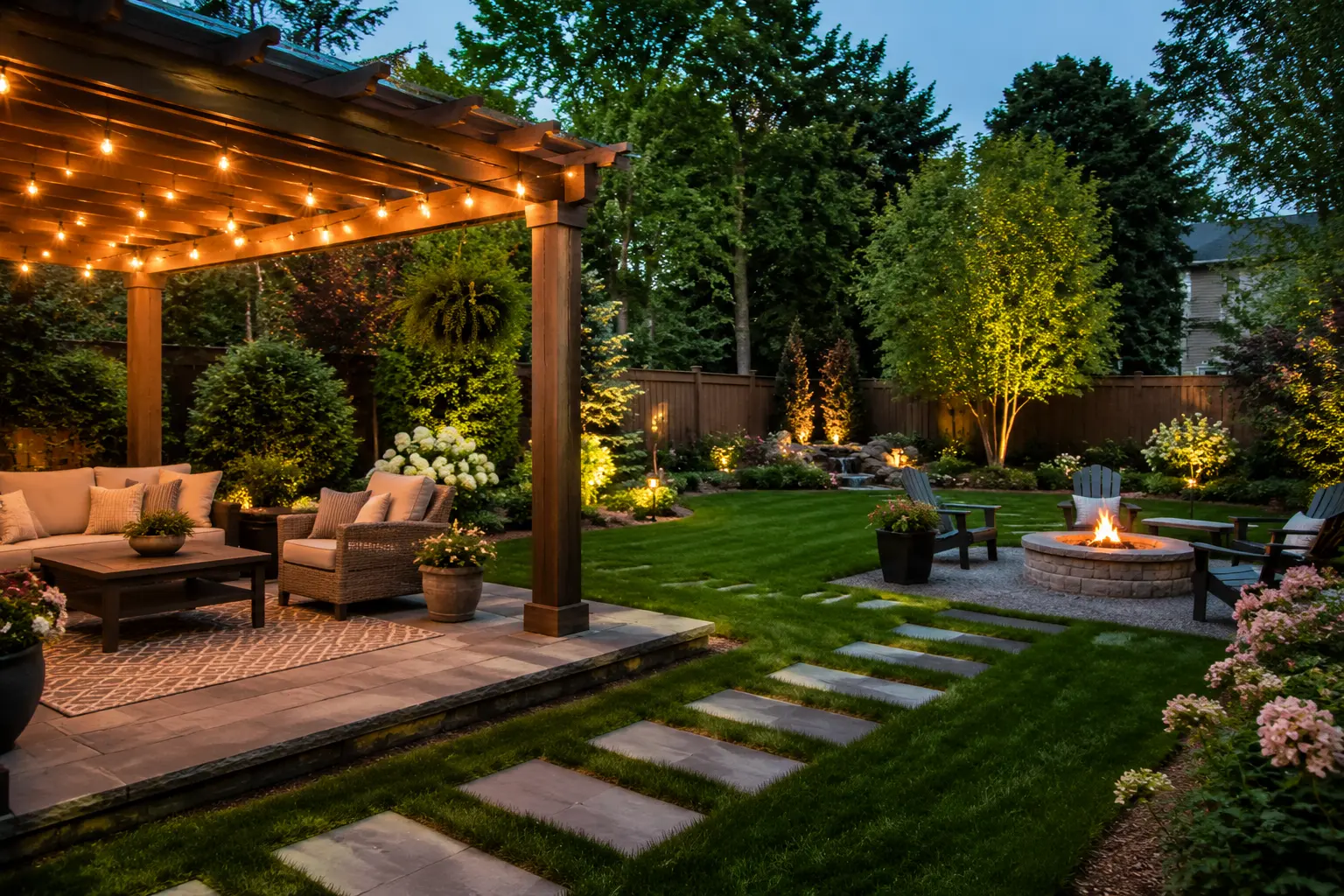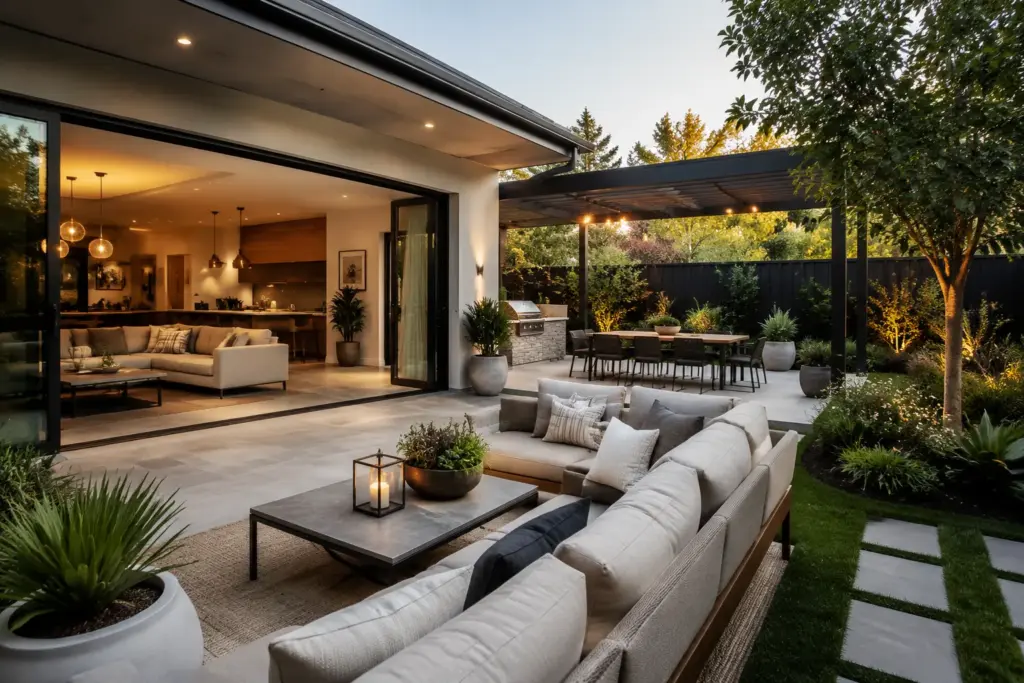
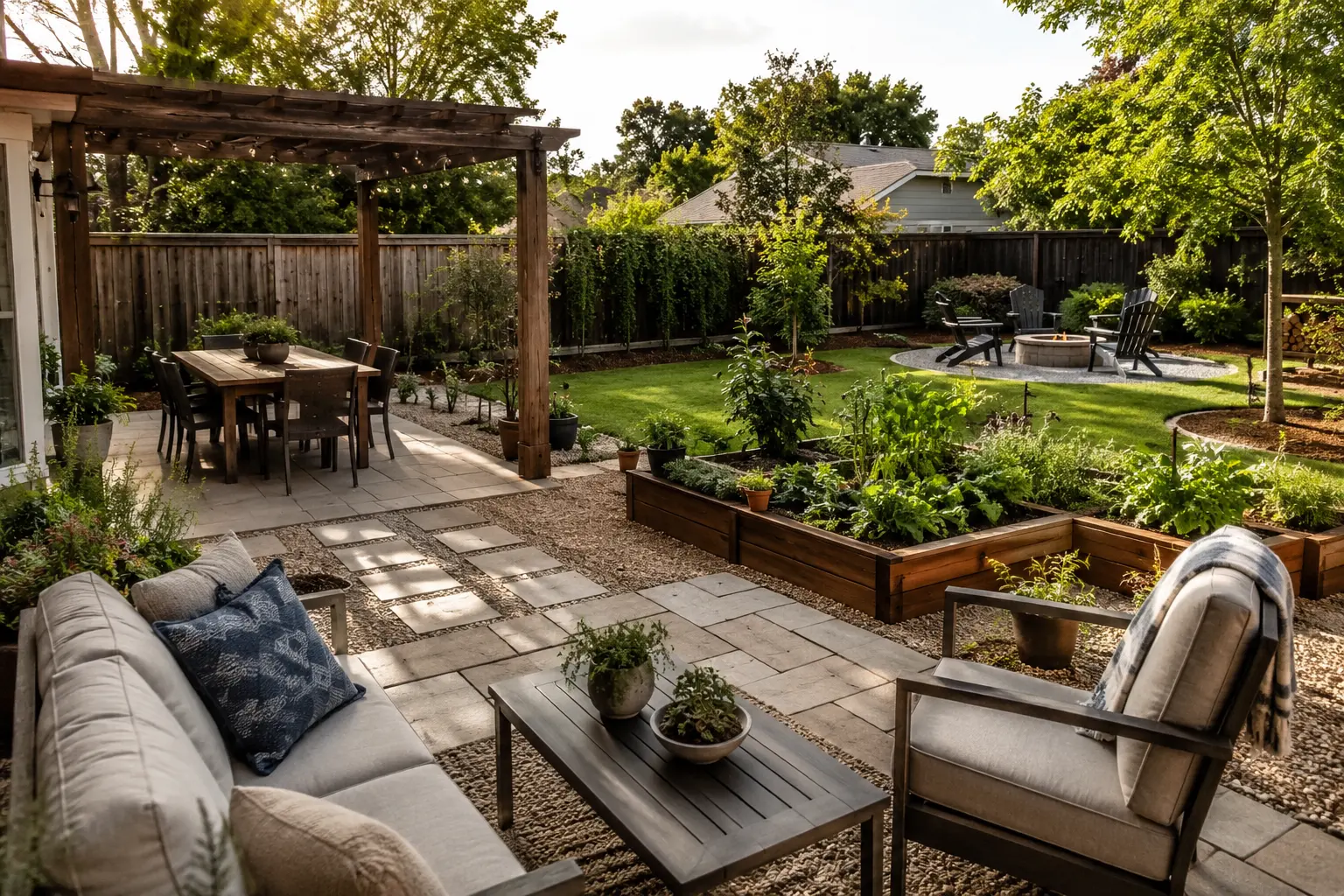
You create separate activity zones in one backyard by grouping each area around a specific use, then connecting them with clear pathways and consistent materials.
But simply adding a patio, lawn, garden beds and outdoor furniture won’t create a well-planned layout. How these elements work together is what makes the space feel comfortable and practical. And backyard zones can help with that.
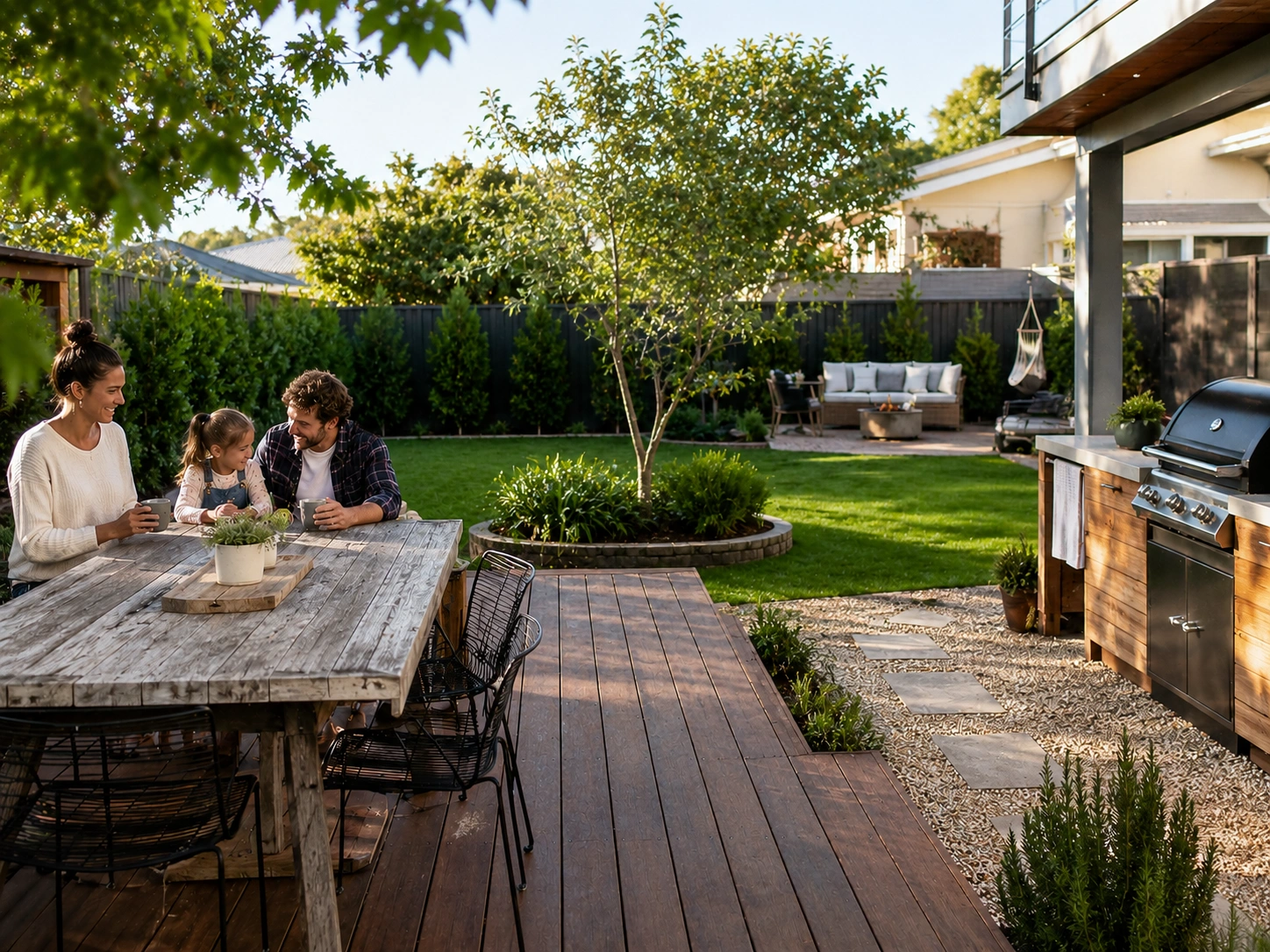
These zones are areas built around activities, rather than hard walls or fences. So your dining area, play zone, seating area and garden can all share the same yard without getting in each other’s way.
We’ll walk you through how to plan zones that stay practical, connected and inviting. The process begins with watching how your family actually uses the space.
Outdoor Space Planning: Build a Family Backyard Design Around Real Life
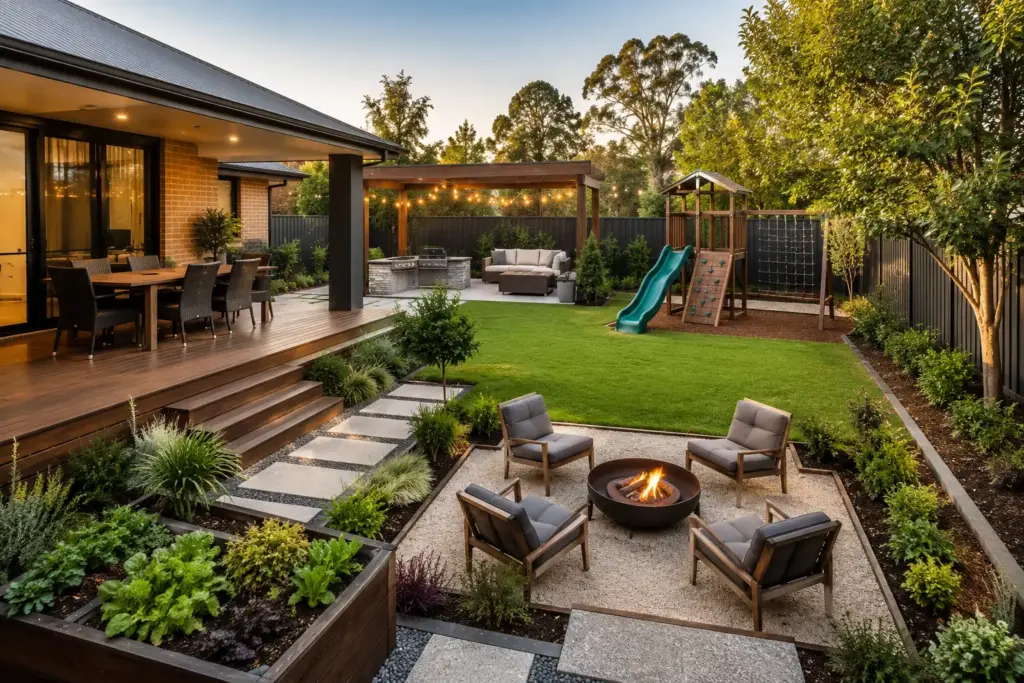
Good outdoor space planning starts with your daily routine, instead of a Pinterest board. In other words, the zones you create should match how your family actually lives, eats and relaxes outside.
Here’s how to work that out.
Start With Activities, Not Features
Before you shop for outdoor furniture or browse landscape design ideas, write down the activities that genuinely happen in your backyard. Most family backyard design needs come down to a few common groups:
- Dining and Entertaining Spaces: Think about how often you host and how many people usually show up. That answer tells you how much room your table, chairs and serving area really need.
- Children’s Play and Lawn: Even a few square metres of flat lawn gives kids enough room to kick a ball around. Pets benefit from this open ground too, so keep it free of sharp edges and garden borders.
- Gardening and Planting: If you love growing your own veggies, this zone needs good sun and easy access to water. Lush planting and herb beds also add texture to the overall landscape design.
- Quiet Seating or Relaxation: Sometimes you just want to sit with a coffee and hear nothing. A bench under a tree or a hammock near the back fence can do that job without taking up much space.
- Optional Extras: A plunge pool, water feature, or fire pit adds character to a yard. Just make sure the basics above are covered first, because these features work best when they complement existing zones rather than compete with them.
Honestly, you don’t need a separate zone for every single activity. A smaller yard can combine entertaining and dining into one flexible outdoor room. However, trying to squeeze too many zones into a compact space will just make everything feel cramped and hard to move through.
Decide Which Backyard Zones Belong Together
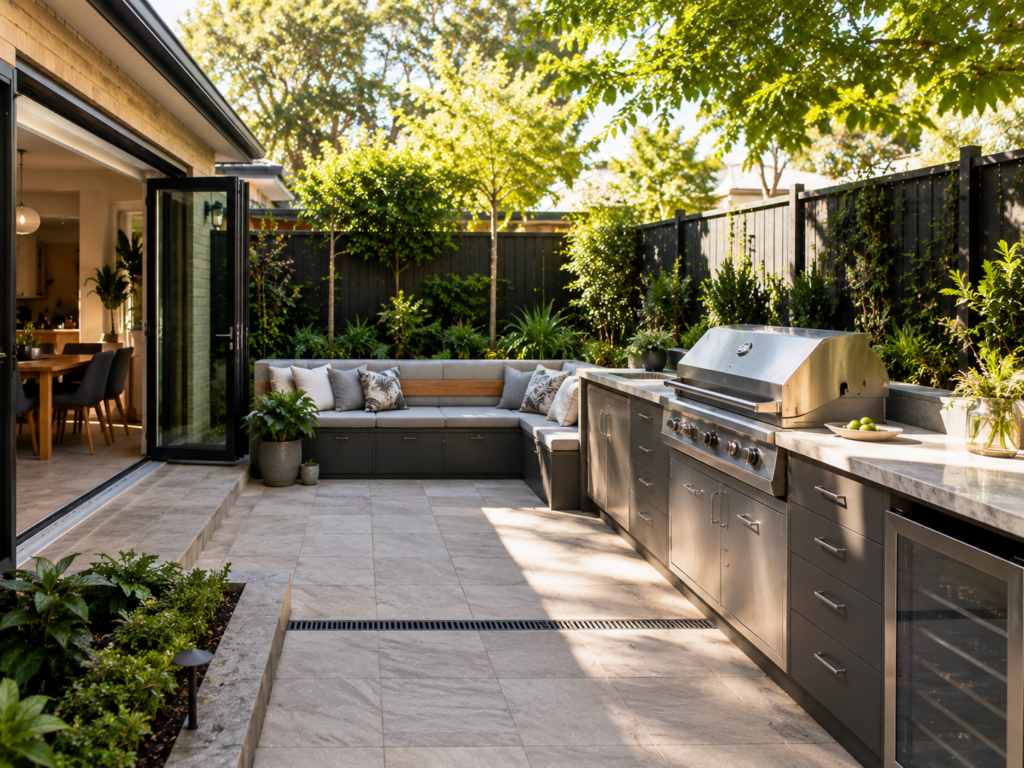
Place your dining area and entertaining spaces within easy reach of the back door or kitchen. That way, you won’t have to walk across the yard every time you have mates over for a barbie.
Next, think about where the kids will play. Place play areas where you can easily see them from the house or a nearby seating area. A clear view from the kitchen or back deck will let you keep an eye on them without having to leave what you’re doing.
For quieter spaces, choose a spot away from busy entertaining areas. If your yard is next to a neighbour’s fence, tall shrubs or climbing plants can soften the boundary and give you more privacy.
Your garden also needs to suit your yard’s conditions. So you should place garden beds based on how much sun, shade and suitable soil each area gets, rather than choosing spots for looks alone.
Finally, give storage a practical spot that’s easy to reach without blocking the flow between zones. This can be a shed near the garden or a storage bench beside the entertaining area.
Design From the Back Door Out
Stand at your back door and take a good look at the site. Then ask yourself:
- Where do you naturally walk first?
- What do you want to see when you step outside?
- What would you rather screen out with planting?
Once you’ve considered how you move through the yard, look at how much sun each area gets. In South East Queensland, north-facing areas get the most consistent light, so that’s where your garden beds and sun lounges will do best.
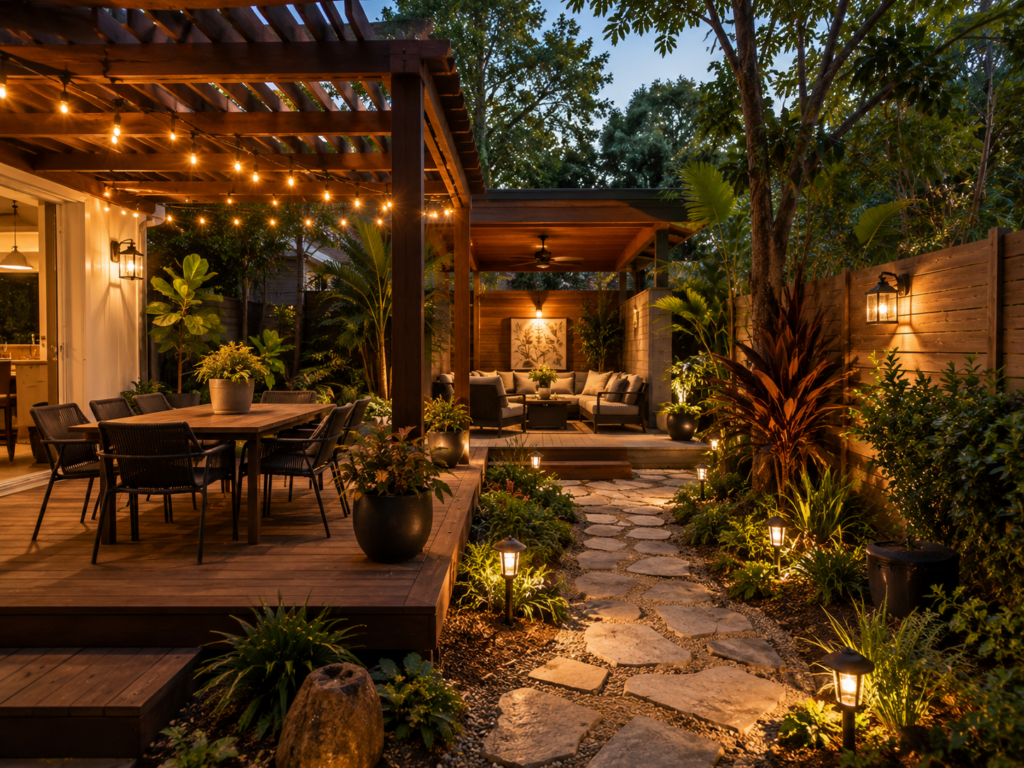
Also note where you need shade or shelter. A pergola or covered patio over your dining space means you can eat outside even when afternoon storms roll through (which happens often enough through Brisbane summers).
Landscape Design for Connected Outdoor Rooms and Better Outdoor Living
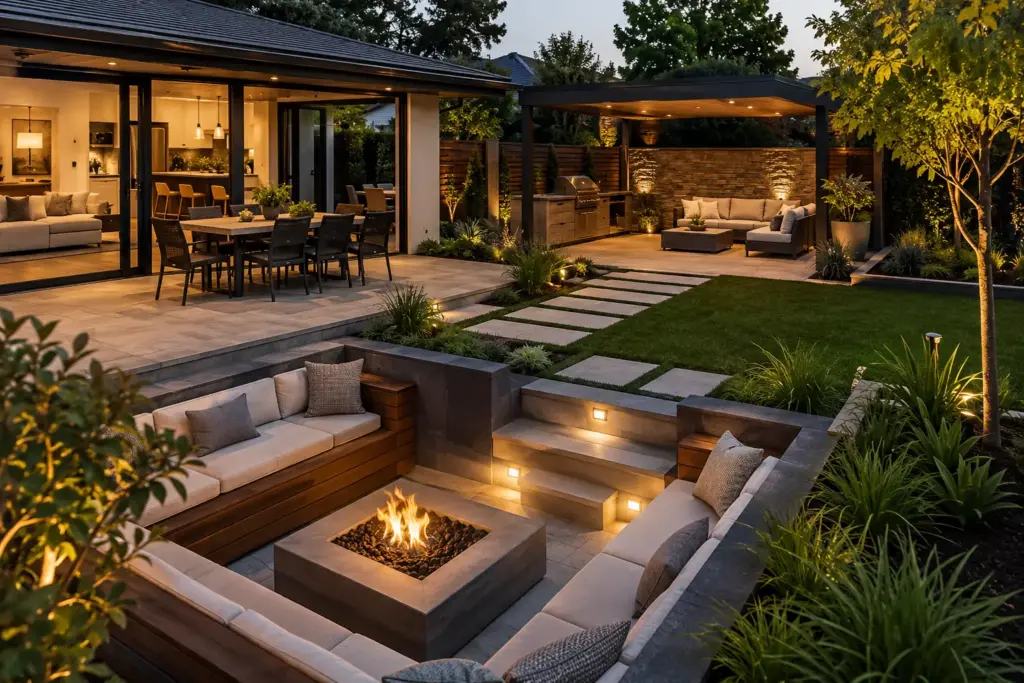
Good landscape design connects your outdoor rooms so each zone feels like part of the same backyard. Below are the practical ways to make that happen.
Make Movement Part of the Landscape Layout
The spaces between your zones are just as important as the zones themselves. So before you finalise any layout, map the natural routes between your house, dining area, play space, garden and relaxation zone.
Keep these routes clear and separate where possible. Your guests shouldn’t need to walk through kids’ play equipment just to reach a seating area. That kind of crossover creates frustration for everyone, and it’s easy to avoid with a bit of planning.
At the same time, don’t let pathways take up too much space, especially in a small backyard. A wide concrete path through the middle can quickly reduce your usable yard. Instead, use paving, permeable paving, lawn strips or planted edges to guide movement without taking over the space.
Define Outdoor Rooms Without Putting Walls Everywhere
You don’t need solid barriers to separate your outdoor rooms. Softer boundaries usually work better, especially in smaller yards where walls can box everything in.
With that in mind, here are a few simple ways to define each zone:
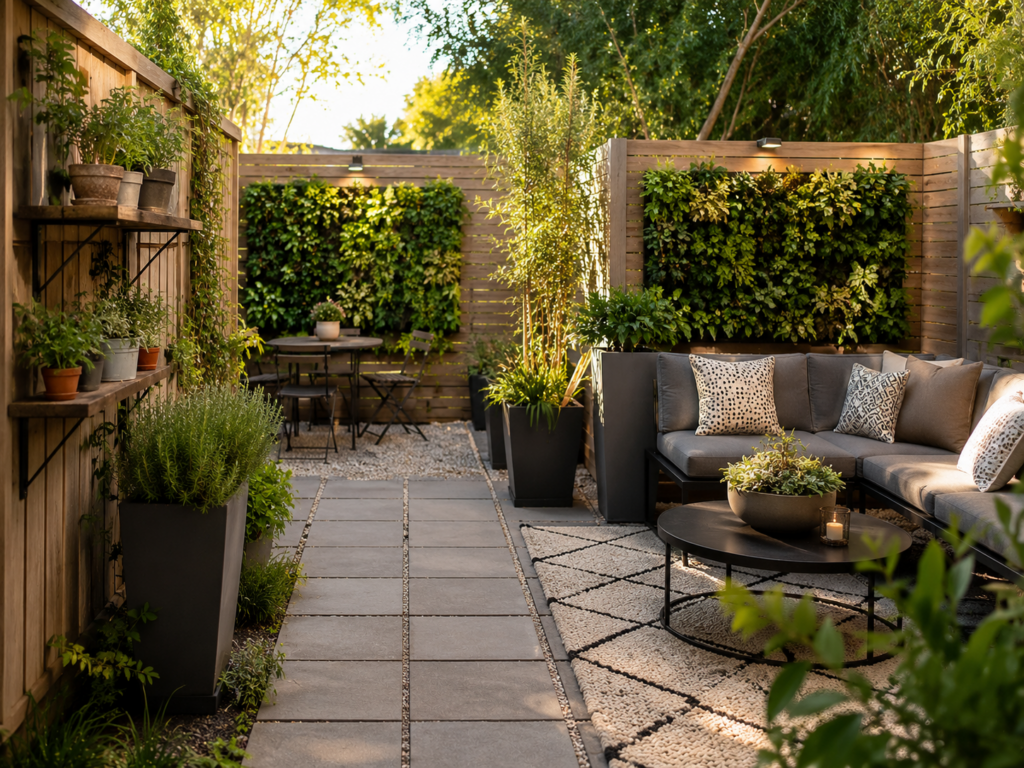
- Changes in Ground Material: Switching between lawn, paving and garden beds is an easy way to show where one zone ends, and another begins.
- Furniture Placement: A well-arranged set of outdoor furniture can mark out a dining zone or seating area all on its own, without any physical divider. For example, a dining table and chairs together clearly define a dining zone, while a sofa and coffee table mark out a separate seating area.
- Covered Patios and Structures: Protection from strong sun and afternoon storms can make an outdoor area more comfortable and usable. A pergola or covered patio provides that shelter while also giving the zone a clear sense of identity
- Low Shrubs and Lush Planting: Native plants such as lomandra and grevillea can create a natural edge between zones while coping well with Brisbane’s climate. And because they’re not too tall, they can also separate areas without blocking your view across the yard.
- Climbing Plants on Screens: Growing climbing plants such as star jasmine, passionfruit or native wisteria over a screen or pergola can add height and some privacy. And as they grow, they soften hard structures and help them blend into the garden.
- Small Shade Trees: One tree planted beside a seating or dining area can define the zone while providing welcome shade during long summer afternoons.
- A Feature Focal Point: Any zone can feel more defined when it has a feature that naturally draws attention. Here, a water feature or bold planting can anchor the space and give it a clear sense of purpose.
Smaller yards tend to benefit from these softer boundaries rather than solid dividers. Plus, when you keep sightlines open between zones, it makes the whole property feel bigger than it actually is.
Use Garden Design to Make Separate Zones Feel Related
Your zones don’t all need to look the same. You can just pick a small palette and repeat it across the space so everything feels connected.
For example, you could use the same two or three materials (like timber, natural stone and gravel) throughout the space and repeat a few plants in different garden beds. Similar furniture finishes in your dining and relaxation areas can also help tie the zones together.
Carry this same idea into your pathways by using consistent paving or edging. Repeating these details helps the yard feel connected while still allowing each zone to have its own character.
Plant Selection Should Solve Practical Problems Too
Choosing the right plants is about more than how they look. You should pick plants that suit your soil, the amount of sun and shade they get, and the time you have for maintenance.
Once you’ve chosen plants that suit the conditions, you can use them to shape each zone. They can soften boundaries, block unwanted views and add privacy where you need it. In South East Queensland, they can also provide much-needed shade and shelter. For example, trees near a seating area or climbing plants over a pergola can make the space more comfortable in hot weather.
That said, while lush planting looks great, overly complex gardens can pile on more ongoing maintenance than most families want. So keep things simple where you can and save the detailed planting for the zones you’ll actually enjoy looking after.
Backyard Design That Brings the Whole Garden Together
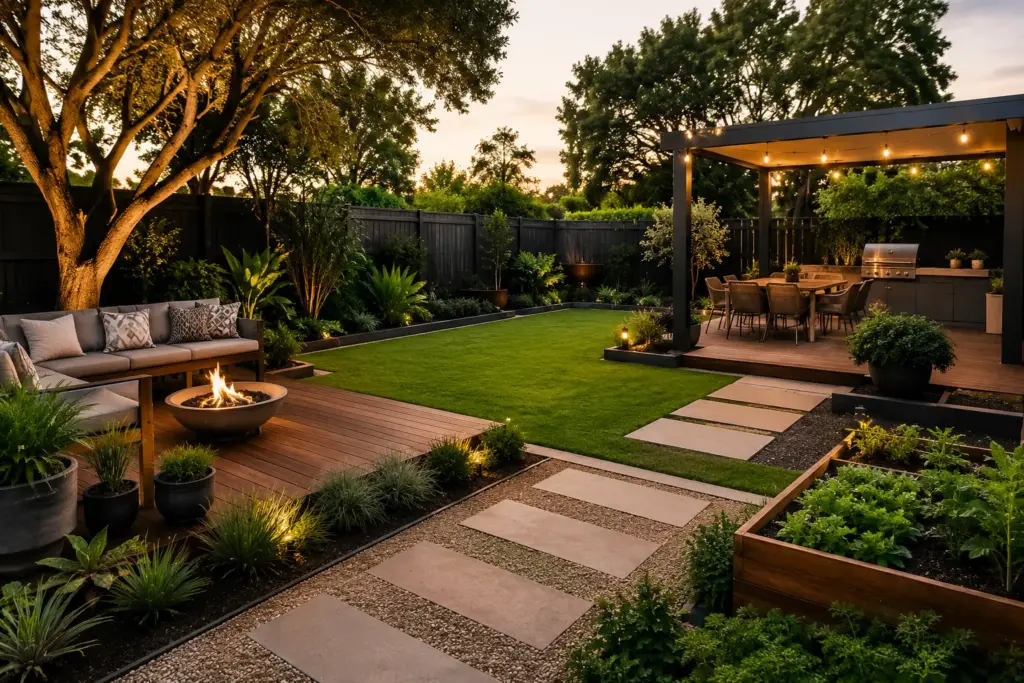
So, as you can see, planning connected backyard zones comes down to five simple steps.
- Choose the activities that matter most.
- Place related activities near each other.
- Map out movement before filling the space.
- Use soft boundaries between your backyard zones.
- Repeat planting and materials to tie the whole landscape layout together.
The goal isn’t to fit every possible feature onto your property. What you really want is an outdoor space where dining, playing, gardening, entertaining and relaxing can all happen without getting in each other’s way.
With some careful planning, even a small backyard can feel like a series of useful outdoor rooms while still working as one inviting space.
Our team at Avalon Acres can help you plan a layout that fits your family and your property. Get in touch with us today.