
Community connections help modern farms thrive because growers can share skills, land, and labour. Working together also makes it easier to manage weekly tasks and keep local food systems running smoothly.
This kind of cooperation is becoming more relevant as small farms grow alongside expanding suburbs across Australia. Many welcome volunteers who want to learn about growing food and contribute to local projects. At Avalon Acres, we work with suburban backyards and see how these shared efforts bring people together while helping them grow their own food.
This guide covers how a community farm differs from solo work, why local produce beats long-haul freight, and what farm culture builds. You’ll also see how to join a community garden near you.
What Makes Community Farming Different From Working the Land Alone?

What sets community farming apart is that members share the land, the labour and the harvest rather than working alone. This shared approach helps members manage poor harvests and distribute surplus produce.
The sections below show where sharing the work changes the result.
How a Community Farm Strengthens Food Security
Community farms help strengthen food security by growing food close to the people who eat it. This shortens the distance between harvest and the kitchen, making it easier for local communities to access fresh produce.
Sharing food also helps communities cope with poor harvests. When one grower has a bad crop, other members can share their produce to make up the shortfall. This spreads the impact across the group and helps households maintain access to fresh food during difficult seasons.
The same idea guides food rescue organisations such as FareShare, which uses surplus farm produce to prepare free meals. According to CSIRO’s 2023 article, Australia wastes an estimated 7.6 million tonnes of food each year. Donating excess harvests keeps edible food out of landfill while supporting people in need.
Why Shared Land Grows More Than Vegetables
Shared gardens grow more than vegetables because working side by side gives people time to talk, build trust, and form friendships. A simple chat while using a wheelbarrow can help neighbours get to know each other and feel more connected to their community.
Experienced growers can also teach newer members how to save seeds, prepare soil, and care for plants. They can correct mistakes as they happen, which helps beginners gain confidence in their gardening skills.
Over time, these skills become part of the community’s shared knowledge. New members can learn from experienced growers, helping the garden improve each season instead of starting from scratch.
Farmers and Volunteers Working Side by Side
Farmers bring the knowledge and plan the work, while volunteers provide the extra hands needed to get it done. When local community groups organise a Saturday working bee, a team can clear weeds in hours that might take one person two weeks. This shared effort helps farmers manage demanding tasks, such as weeding and harvesting, during busy periods. At the same time, volunteers get a chance to contribute to local food production.
At Avalon Acres, we’ve found that the best mornings bring together experienced growers and people who want to spend time outdoors. As they work side by side, growers share their knowledge and volunteers learn new skills, which leaves everyone with a stronger connection to the local food community.
Local Agriculture Keeps Fresh Food Close to Home
Beyond the farm gate, much of the fresh produce in Australian supermarkets travels a long way before it reaches your plate. Local agriculture cuts that trip to a few suburbs, and urban agriculture can shorten it to a few streets. Each one below shows why the shorter trip is worth choosing:
- Fewer Food Miles: Trucking salad greens between states burns diesel and adds cost at every stop. Produce grown nearby skips most of that freight, which is one of the simplest wins sustainable agriculture offers. Shorter trips put less pressure on the environment too.
- Produce Picked Ripe: Local growers can pick fruit and vegetables closer to the day they sell them. With less time spent in storage and transit, produce reaches your kitchen fresher and may last longer.
- Supply That Holds: When floods cut a highway, a city farm down the road keeps picking. Urban farming fills the gaps that long freight routes leave open, because the delivery run is measured in minutes. Rural communities gain the same coverage when their nearest grower sells through the local store.
These benefits are easy to notice at local markets, where produce picked that morning often tastes fresher. Buying from nearby growers each week also supports local farms and helps keep food production within your community.

Farm Culture: Where Sustainable Communities Take Root
Community farming also creates opportunities for neighbours to work together on projects that improve their shared environment. Alongside these social connections, it encourages respect for the land and its history.
Many Australian farms acknowledge the Traditional Custodians of the land they work on and pay their respects to Elders past and present. These acknowledgements recognise the long history of Indigenous food-growing practices and the knowledge that has supported communities for thousands of years.
That respect for the land also guides everyday gardening habits. Members compost kitchen scraps, save seeds, and grow plants that attract pollinators. These practices draw on regenerative farming principles to support healthier soil while producing food for the community.
We’ve seen the same thing in the backyards we hand over at Avalon Acres: the gardens that keep going belong to owners who got their hands dirty on day one. Even spending half an hour thinning carrots can help people feel more involved, especially when they get to enjoy their first homegrown harvest.
As these habits become part of everyday life, their influence spreads beyond the garden. Schools, cafes, and local markets can source produce from nearby organic farms, which gives growers regular customers and communities easier access to local food.
Property developers are also adding vegetable gardens to new housing developments. This helps keep sustainable food production visible in growing suburbs.
Getting Involved With Community Gardening and Urban Farms
Community gardens offer several ways to get involved, even if you’ve never grown food before. The table below compares three ways to get involved and what each requires.
| Way In | What It Asks | Best For |
|---|---|---|
| Volunteer working bee | A few hours, no skills | Testing the water |
| Member plot | Small annual fee, weekly care | Growing your own produce |
| Community supported agriculture box | Payment at the start of a season | Supporting farmers directly |
Brisbane City Council lists community gardens and urban agricultural sites across its areas, and Community Gardens Australia maps sites in every state. Whichever option in the table suits your schedule is a fine place to begin (plenty of sites run working bees on Saturday mornings).
Grow Something Good With Your Local Community
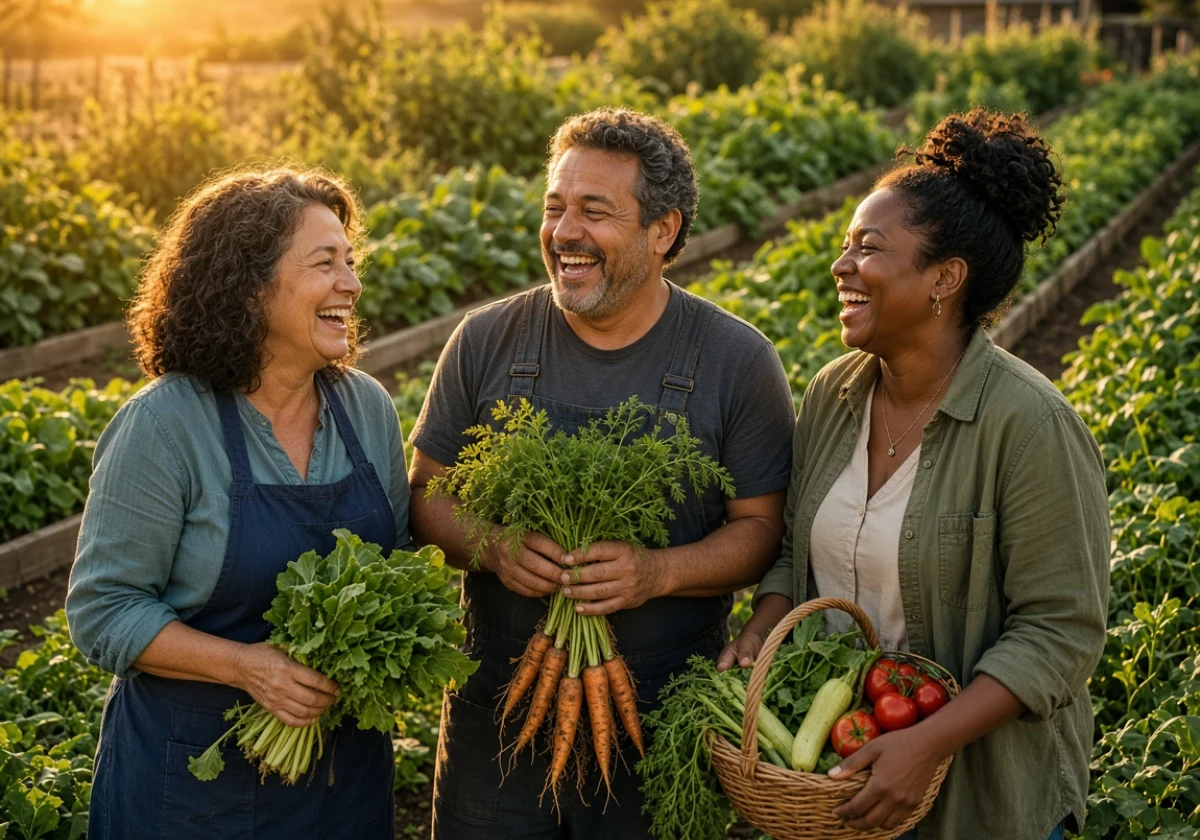
Community connections help modern farms thrive by bringing people together to share land, skills, and labour. When people work together, they can keep local food supplies going more reliably than one grower working alone.
So pick one site, turn up for a working bee, and see how a season on shared ground feels. You’ll meet local growers, learn practical skills and find new ways to get involved.
Avalon Acres designs and builds backyard spaces, including the garden beds that get people growing at home. Contact us about your own patch.