
Seasonal living on a farm means working with natural rhythms, where planting, growth, and harvest set the pace each year. The crop decides when the long days start, and the weather decides how long they last.
Many people picture one busy week of picking and little work on either side of it. In practice, the year moves through pruning, thinning, picking and packing, with different tasks at each stage.
This guide covers how agricultural cycles shape the farming year, where job seekers look for seasonal work, which regions pick when, and what your visa lets you do. Follow the farming calendar step by step, and you’ll have a clearer idea of when and where to find seasonal work.
Seasonal Farming Follows the Harvest Across Australia
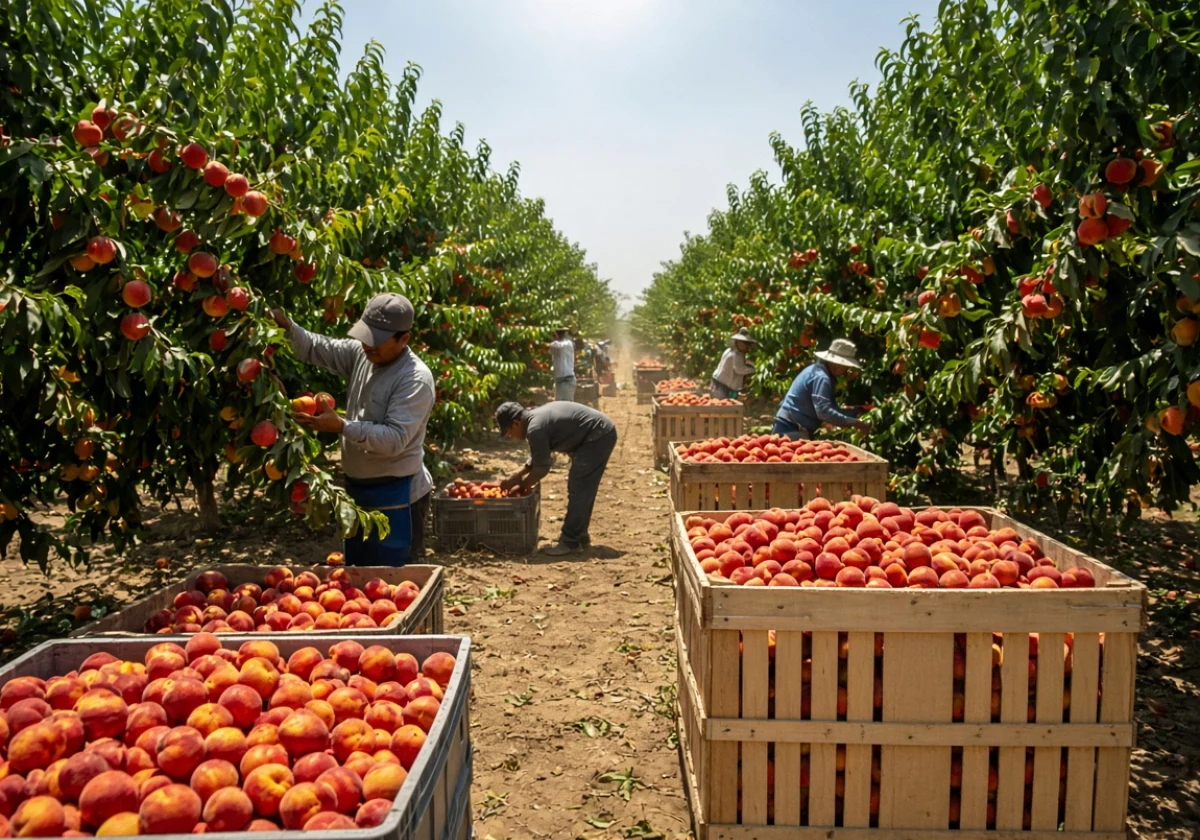
Across Australian agriculture, farms run on a calendar written by the crops, rather than the clock. Harvest periods bring long working days, while quieter weeks give farmers time to prepare for the next season.
The demand for workers follows a similar pattern. According to the Australian Bureau of Agricultural and Resource Economics and Sciences (ABARES), its Snapshot of Australian Agriculture 2026 report shows how seasonal work affects employment. Specifically, in horticulture, farms employ more casual and contract workers in late summer than in late winter.
The three sections below explore the farming cycle, the months between harvests and the types of workers who enjoy seasonal life.
How Agricultural Cycles Guide the Farming Year
Agricultural cycles decide every task on a farm, including winter pruning and picking in the heat of February. Growers plan months out, because a ripe crop won’t wait for spare hands.
As harvest approaches, farms often need more workers. For example, one orchard might need only a handful of workers for pruning in July but dozens more during its peak harvest in February. That swing makes timing important when you’re looking for harvest jobs, so contact growers a few weeks ahead to check start dates and available shifts.
What Rural Living Looks Like Between Seasons
Between harvests, rural living slows down, though farm work often continues. Crews move onto pruning, fencing, irrigation checks and machinery repairs to prepare for the next season.
Nearby towns feel the shift too. Regional centres like Shepparton and Mildura, both reliant on fruit-picking seasons, attract seasonal workers during harvest, then quiet down once it ends. With fewer workers passing through, local businesses and accommodation providers often see less demand as well.
That quieter stretch isn’t wasted time, though. For those who stay between seasons, it offers a chance to build practical skills. A forklift licence can open up packing shed roles, while tractor experience may lead to other farm duties. Both can improve your chances of finding work outside the harvest season.
Why the Farm Lifestyle Rewards Workers Who Enjoy Variety
A farm lifestyle rewards variety because the job description changes every few weeks. You might thin fruit one month, then drive a tractor or grade fruit and vegetable lines in the packing shed the next.
And if you’ve only ever worked at a desk, that mix can take some adjusting. The physical work may feel unfamiliar at first, but guidance and practice can help you settle into the routine.
As you take on different tasks, you’ll build practical skills, like sorting fruit by quality, operating packing equipment and handling farm tools safely. Growers may value that experience when hiring workers for future seasons.
Where Can Job Seekers Find Seasonal Farm Work?
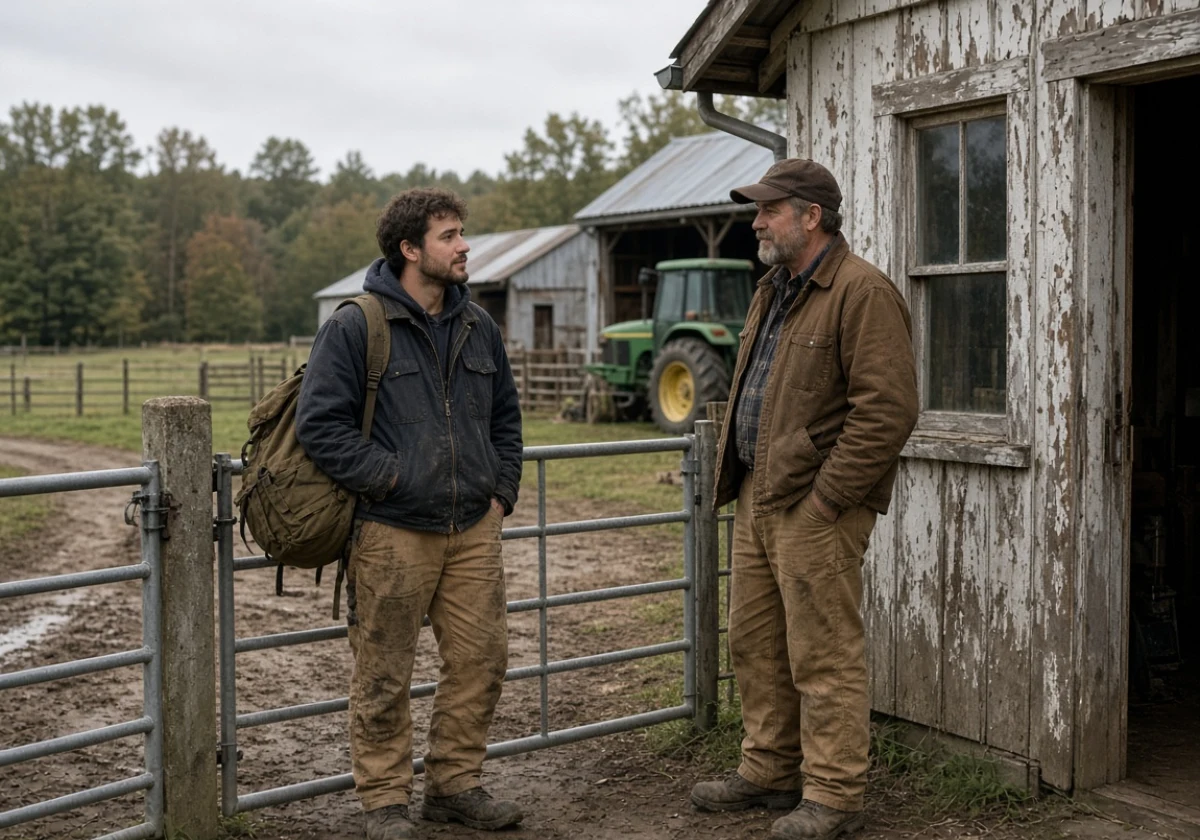
With that farming cycle in mind, job seekers can search for seasonal work through Workforce Australia, regional job boards and labour hire agencies. Each route reaches different employers across the agriculture sector, so running two or three at once puts your name in front of more people.
These starting points cover most of the advertised seasonal jobs in Australia worth chasing:
- Workforce Australia: The Australian Government‘s job search platform advertises seasonal picking, packing and other farm roles. You can also search by location and job type to find opportunities in your preferred region.
- Regional Job Boards: Websites run by local hubs, such as the Yarra Valley seasonal employment board, post listings straight from nearby farms. Checking twice a week beats scrolling once a month, because the better listings get filled by people already living in the district.
- Labour Hire Agencies: Agencies recruit workers for farms that need extra staff during busy periods. Some roles may offer transport or accommodation, so ask what the employer provides. Also confirm whether you’ll receive hourly pay or piece rates before accepting a position.
Pro Tip: Keep one document holding your tax file number, licence details and available dates. You can then respond to job listings without preparing the same information each time.
Picking Seasons by Region: Yarra Valley to Western Australia
Once you know where to look for farm jobs, the next step is checking when each region needs workers. Fruit ripens at different times across Australia, so you may be able to move between harvests. For example, grape picking could lead into apple harvesting in another region.
The table sets out four regions, their main crops and the months when pickers are wanted.
| Region | Main crops | Picking season |
|---|---|---|
| Yarra Valley, VIC | Wine grapes, berries | February to April |
| Shepparton, VIC | Apples, pears, stone fruit | January to April |
| Carnarvon, Western Australia | Bananas, tomatoes, melons | May to October |
| Katherine, NT | Mangoes | September to November |
Southern fruit harvests are generally busiest during summer and autumn, while northern regions follow different seasonal patterns. Cherry picking can begin before Christmas, which gives seasonal workers a chance to earn income before grape and apple harvests begin.
If you’re planning to move between regions, check local vacancies and allow for possible gaps between jobs.
Finding Farm Jobs and Harvest Work With the Right Visa
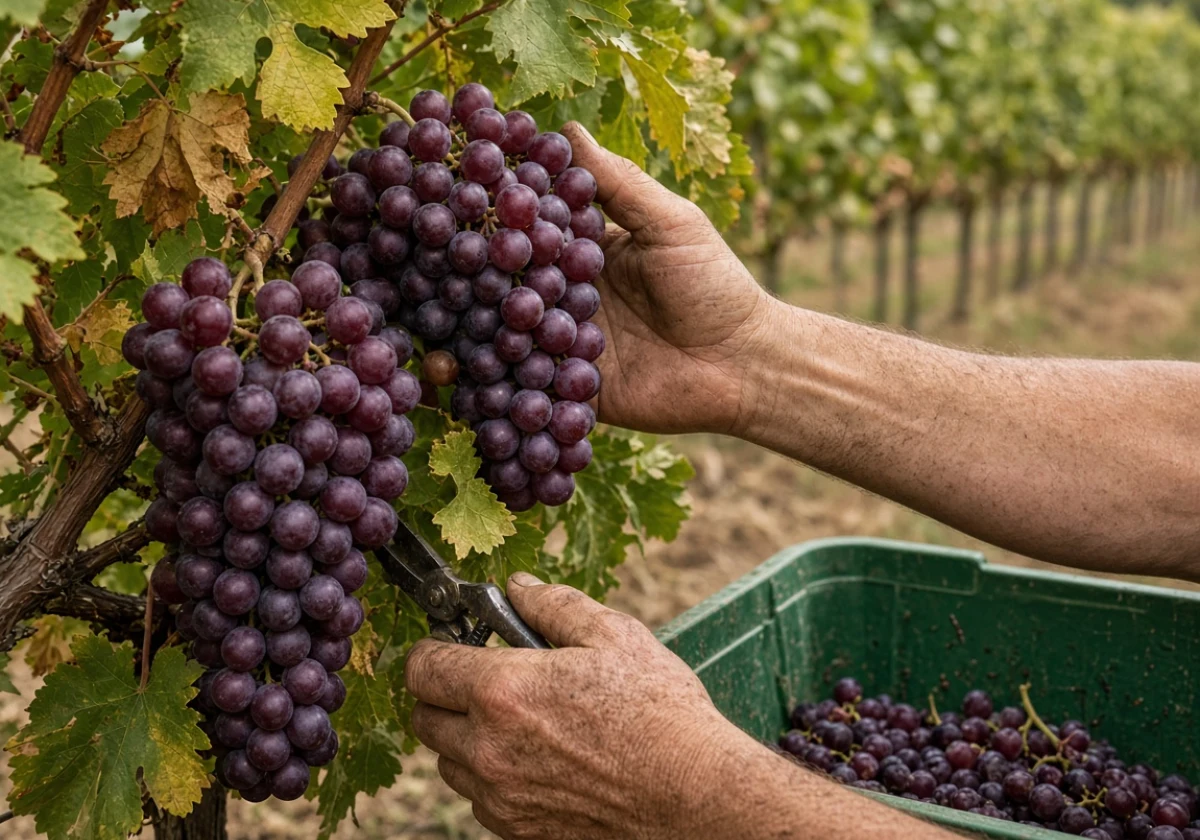
Harvest dates can help you plan your route, but your visa determines which jobs you can take. A Working Holiday visa (subclass 417) allows a 12-month stay in Australia, with opportunities to work on farms and in other industries.
If you’re planning a second year, you may need to complete 88 days of specified work in an eligible region. Some farm jobs qualify, but the rules depend on your visa and passport. Keep your payslips and employment records, as the Department of Home Affairs may ask for proof of your work.
With your visa conditions clear, focus on finding a genuine employer. Before sharing passport details, check the business’s identity and contact information (a PO box address is a red flag). Scamwatch advises job seekers to verify employers and watch for signs of employment scams.
And before accepting a position, confirm the pay rate and how you’ll be paid. The Horticulture Award sets minimum pay requirements for covered hourly workers and pieceworkers. Other farm jobs may fall under different awards. If your pay seems incorrect, contact the Fair Work Ombudsman for advice.
Note: This is general information, not migration advice, so speak to a registered migration agent about your own situation. One early phone call can save you weeks of guesswork.
Start Your Own Season on the Land
Seasonal farming rewards people who plan around the crop calendar instead of pushing against it. Once you can read the year, the work lines up and the quiet months stop feeling wasted.
Start by choosing a region, checking its harvest dates and preparing your paperwork before the season begins. Early planning gives you more time to compare jobs, contact growers and arrange travel.
For further guidance, Avalon Acres shares practical advice on seasonal living and life on the land. Contact us for help planning the season ahead.