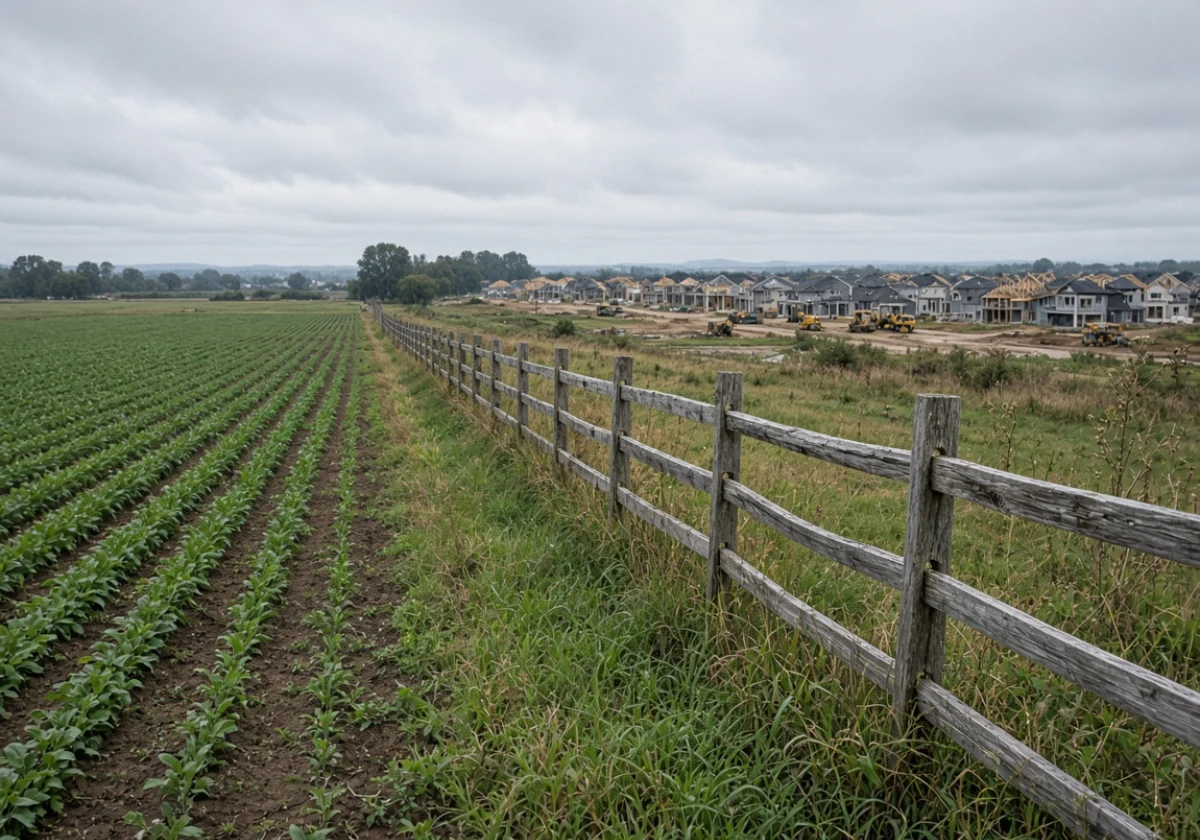
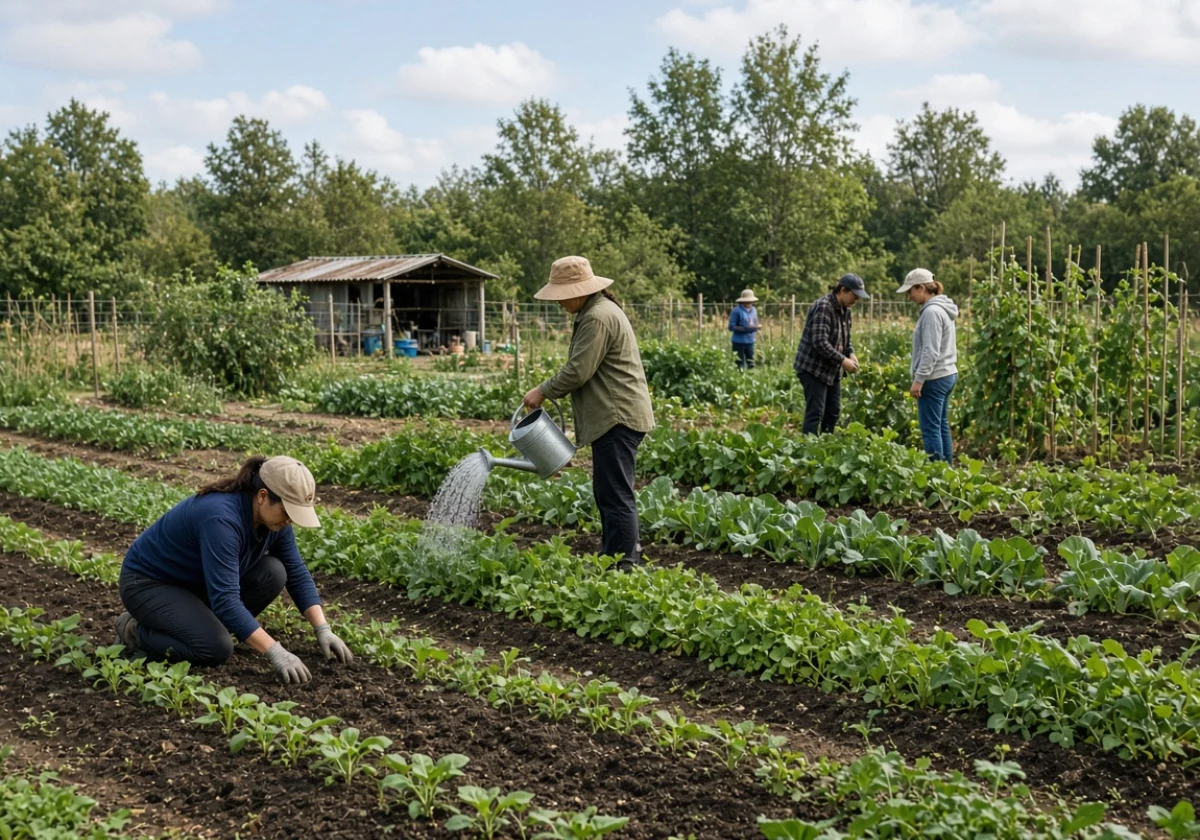
post

Why Community Connection Is Important in Modern Farming

Community connections help modern farms thrive because growers can share skills, land, and labour. Working together also makes it easier to manage weekly tasks and keep local food systems running smoothly.

This kind of cooperation is becoming more relevant as small farms grow alongside expanding suburbs across Australia. Many welcome volunteers who want to learn about growing food and contribute to local projects. At Avalon Acres, we work with suburban backyards and see how these shared efforts bring people together while helping them grow their own food.

This guide covers how a community farm differs from solo work, why local produce beats long-haul freight, and what farm culture builds. You’ll also see how to join a community garden near you.

What Makes Community Farming Different From Working the Land Alone?
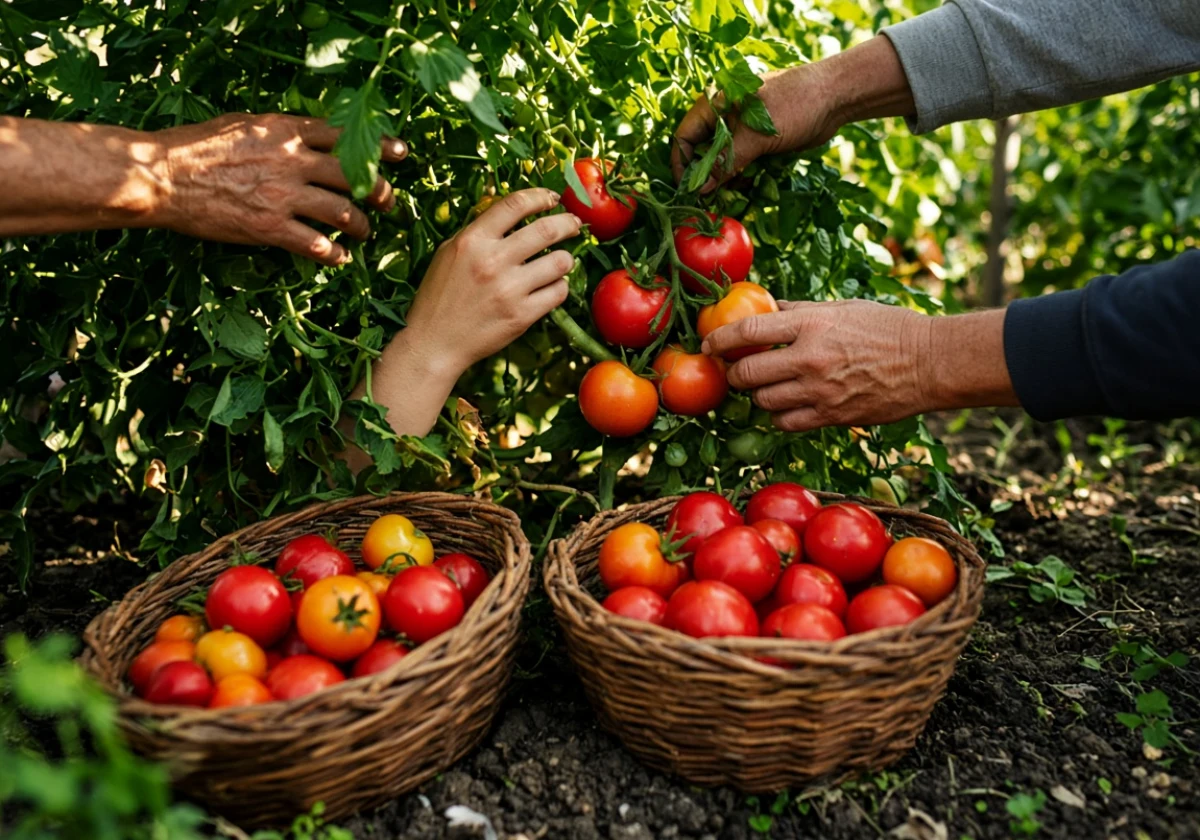
Close-up photograph of four hands from different people harvesting

What sets community farming apart is that members share the land, the labour and the harvest rather than working alone. This shared approach helps members manage poor harvests and distribute surplus produce.

The sections below show where sharing the work changes the result.

How a Community Farm Strengthens Food Security

Community farms help strengthen food security by growing food close to the people who eat it. This shortens the distance between harvest and the kitchen, making it easier for local communities to access fresh produce.

Sharing food also helps communities cope with poor harvests. When one grower has a bad crop, other members can share their produce to make up the shortfall. This spreads the impact across the group and helps households maintain access to fresh food during difficult seasons.

The same idea guides food rescue organisations such as FareShare, which uses surplus farm produce to prepare free meals. According to CSIRO’s 2023 article, Australia wastes an estimated 7.6 million tonnes of food each year. Donating excess harvests keeps edible food out of landfill while supporting people in need.

Why Shared Land Grows More Than Vegetables

Shared gardens grow more than vegetables because working side by side gives people time to talk, build trust, and form friendships. A simple chat while using a wheelbarrow can help neighbours get to know each other and feel more connected to their community.

Experienced growers can also teach newer members how to save seeds, prepare soil, and care for plants. They can correct mistakes as they happen, which helps beginners gain confidence in their gardening skills.

Over time, these skills become part of the community’s shared knowledge. New members can learn from experienced growers, helping the garden improve each season instead of starting from scratch.

Farmers and Volunteers Working Side by Side

Farmers bring the knowledge and plan the work, while volunteers provide the extra hands needed to get it done. When local community groups organise a Saturday working bee, a team can clear weeds in hours that might take one person two weeks. This shared effort helps farmers manage demanding tasks, such as weeding and harvesting, during busy periods. At the same time, volunteers get a chance to contribute to local food production.

At Avalon Acres, we’ve found that the best mornings bring together experienced growers and people who want to spend time outdoors. As they work side by side, growers share their knowledge and volunteers learn new skills, which leaves everyone with a stronger connection to the local food community.

Local Agriculture Keeps Fresh Food Close to Home

Beyond the farm gate, much of the fresh produce in Australian supermarkets travels a long way before it reaches your plate. Local agriculture cuts that trip to a few suburbs, and urban agriculture can shorten it to a few streets. Each one below shows why the shorter trip is worth choosing:

  • Fewer Food Miles: Trucking salad greens between states burns diesel and adds cost at every stop. Produce grown nearby skips most of that freight, which is one of the simplest wins sustainable agriculture offers. Shorter trips put less pressure on the environment too.
  • Produce Picked Ripe: Local growers can pick fruit and vegetables closer to the day they sell them. With less time spent in storage and transit, produce reaches your kitchen fresher and may last longer.
  • Supply That Holds: When floods cut a highway, a city farm down the road keeps picking. Urban farming fills the gaps that long freight routes leave open, because the delivery run is measured in minutes. Rural communities gain the same coverage when their nearest grower sells through the local store.

These benefits are easy to notice at local markets, where produce picked that morning often tastes fresher. Buying from nearby growers each week also supports local farms and helps keep food production within your community.

Farmers market stall at dawn with colorful fresh vegetables arranged

Farm Culture: Where Sustainable Communities Take Root

Community farming also creates opportunities for neighbours to work together on projects that improve their shared environment. Alongside these social connections, it encourages respect for the land and its history.

Many Australian farms acknowledge the Traditional Custodians of the land they work on and pay their respects to Elders past and present. These acknowledgements recognise the long history of Indigenous food-growing practices and the knowledge that has supported communities for thousands of years.

That respect for the land also guides everyday gardening habits. Members compost kitchen scraps, save seeds, and grow plants that attract pollinators. These practices draw on regenerative farming principles to support healthier soil while producing food for the community.

We’ve seen the same thing in the backyards we hand over at Avalon Acres: the gardens that keep going belong to owners who got their hands dirty on day one. Even spending half an hour thinning carrots can help people feel more involved, especially when they get to enjoy their first homegrown harvest.

As these habits become part of everyday life, their influence spreads beyond the garden. Schools, cafes, and local markets can source produce from nearby organic farms, which gives growers regular customers and communities easier access to local food.

Property developers are also adding vegetable gardens to new housing developments. This helps keep sustainable food production visible in growing suburbs.

Getting Involved With Community Gardening and Urban Farms

Community gardens offer several ways to get involved, even if you’ve never grown food before. The table below compares three ways to get involved and what each requires.

Way InWhat It AsksBest For
Volunteer working beeA few hours, no skillsTesting the water
Member plotSmall annual fee, weekly careGrowing your own produce
Community supported agriculture boxPayment at the start of a seasonSupporting farmers directly

Brisbane City Council lists community gardens and urban agricultural sites across its areas, and Community Gardens Australia maps sites in every state. Whichever option in the table suits your schedule is a fine place to begin (plenty of sites run working bees on Saturday mornings).
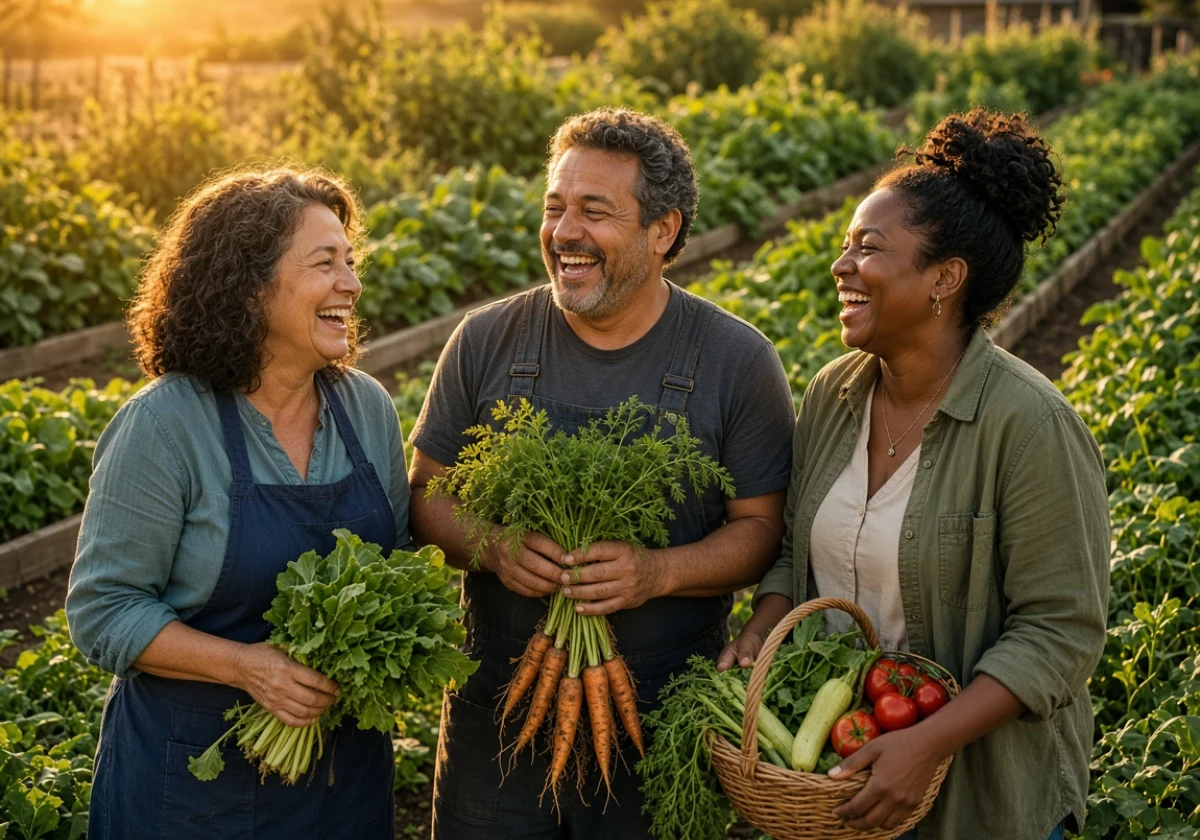
Three neighbors standing together in a vegetable garden at golden hour

Grow Something Good With Your Local Community

Community connections help modern farms thrive by bringing people together to share land, skills, and labour. When people work together, they can keep local food supplies going more reliably than one grower working alone.

So pick one site, turn up for a working bee, and see how a season on shared ground feels. You’ll meet local growers, learn practical skills and find new ways to get involved.

Avalon Acres designs and builds backyard spaces, including the garden beds that get people growing at home. Contact us about your own patch.
post

How Land-Based Living Creates a Different Connection With Everyday Life

Land-based living creates a different connection with everyday life because food, home, and routine all follow the land. Your day bends around daylight, soil and weather instead of a train timetable.

Plenty of people feel that pull but stall on the practical side, unsure what changes first. Avalon Acres hears the same questions from families weighing up a move out of the capital cities.

This guide covers how mornings and meals shift on rural land, why community ties tighten, what sustainable living does to your bills, and how city and country compare on nature. Start with the part of the day that shifts first.

Land-Based Living Changes the Rhythm of an Ordinary Day

Person in work boots and dark shirt standing by a wooden fence

People who make the move often notice change within weeks, and it starts before breakfast. Food, sleep, and the way you plan an ordinary Tuesday all shift with it.

Three parts of the day show it most clearly, so let’s take them in order.

Why Mornings on the Land Feel Different

Mornings start with the land, not the commute. You check the water, inspect the fences, and look at the weather before opening your emails. These simple tasks give you time outdoors before the workday begins.

Starting the day this way can lift your mood, and even your coffee tastes better outside the back door. Work still needs your attention, but you can ease into it after spending time outdoors and getting something done with your hands.

After a few months, this routine will become a natural part of your day. You may even find yourself checking the sky before looking at the clock.

How a Farm Lifestyle Changes What You Eat

Living on a farm can change how you shop and plan meals. When you grow your own food, you start with what’s ready to harvest, so your meals follow the seasons rather than what’s available at the supermarket.

For example, you might harvest silverbeet in July and find yourself with more tomatoes than your family can eat in February. If you’ve only grown plants on a balcony, harvesting from a full garden bed can feel like a real achievement. Over time, you learn to plan meals around what grows well and when each crop is ready.

Growing your own food reduces waste because you can pick what you need and use it while it’s fresh. You also know when each crop was planted and how the weather affected its growth, which gives you a better understanding of the food you eat.

Afternoons Slow Down Without You Trying

Afternoons move at a slower pace on a farm because the work takes as long as it takes. Fencing, planting and repairs can’t always be rushed, so you learn to plan your day around the land’s needs rather than a strict schedule.

As you settle into this routine, you start measuring your day by the jobs you finish instead of the meetings you attend. From what we see on acreage blocks across Australia, many newcomers find themselves checking the clock less often as they adjust to this change in pace.

That doesn’t mean farm life leaves you with less to do. You’re still busy, but your priorities follow the seasons and the work that needs attention rather than a packed calendar.

Why Does Community Grow Stronger in Rural Living?

Community grows stronger in rural living because neighbours rely on each other for food, labour, and daily support. Once the daily rhythm settles, that second shift becomes obvious, and the nearest hardware store sitting 40 minutes away speeds it along. Ask someone a year into land-based living, and they’ll mention the neighbours before the view.

Three habits do most of the work in small communities:

  1. Help Arrives Without Asking: After a storm damages a fence, a neighbour may arrive with a ute and wire to help with repairs. Lending a hand becomes part of rural life because everyone needs support at some point.
  2. Older Hands Pass On Skills: Plumbing, welding and grafting knowledge move between homes instead of sitting behind an invoice. One person teaches, and another returns it in produce or labour.
  3. Working Bees Build Trust: Community gardens, bushfire planning and a local Facebook group give residents a reason to swap ideas, which is how a sustainable community holds together. Many groups open the day by acknowledging the traditional custodians of the land. Aboriginal and Torres Strait Islander knowledge of fire, water and season still informs how people work a block.

You don’t need to join a formal group to feel part of the community. While intentional communities may organise shared tasks through rosters and development plans, rural neighbours often build lasting connections through everyday favours. Joining a working bee is a simple first step towards getting to know the people around you.

Group of four rural residents working together to repair

Choosing Sustainable Living on Your Own Patch of Land

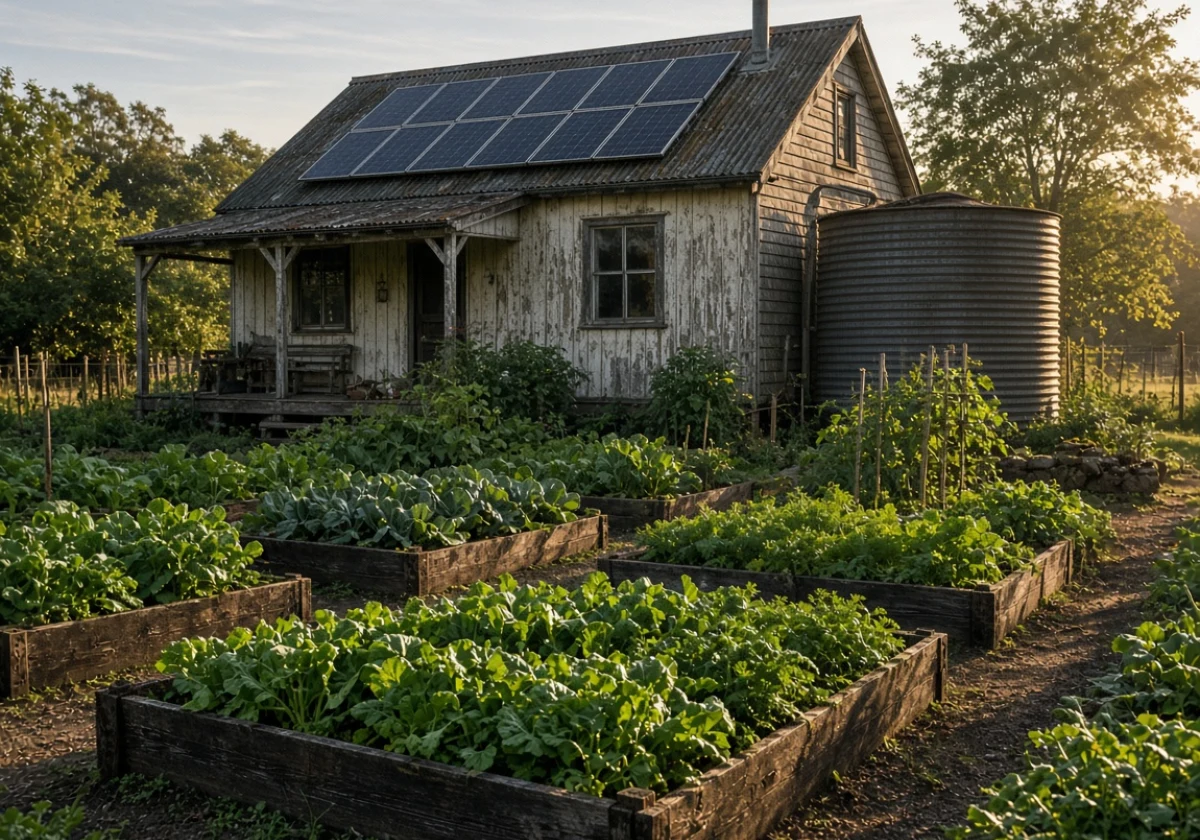
The best part of sustainable living is watching your power bills shrink while your veggie garden takes off. Solar panels, a rainwater tank and a decent compost system carry most of that load, and they pay you back every quarter.

These savings give you more control over where your water, power and food come from. That level of independence can be harder to achieve in a city apartment, where space and access to natural resources are limited.

However, having the right equipment won’t help much if the property itself doesn’t suit your plans. Soil quality, sunlight, and water access all affect what you can grow. Walking the block in winter reveals drainage problems, while local residents tell you which areas flood after heavy rain.

The property type you choose also affects how you manage these resources and share the costs. Intentional communities, such as ecovillages and cohousing projects, share some infrastructure and expenses. Standalone acreage offers more privacy, but you’re responsible for maintaining the land and its facilities yourself.

Land lease communities offer a different balance. You own your home but lease the land beneath it, which can lower the upfront cost. Some communities share paddocks, halls and workshops as well. This helps residents spread maintenance costs rather than managing every facility individually.

Your other options include buying land outright or choosing a house and land package on acreage. Ecovillages, lifestyle communities and community land trusts across NSW and Victoria offer different ways to approach shared resources and sustainable living, so it’s worth comparing how each model operates before deciding.

Before committing to a property, look beyond the real estate listing. Soil quality, winter sunlight, drainage, and the surrounding environment can all affect your plans for sustainable living. Ask the agent for these details, then speak with nearby residents who can explain local conditions and help you understand how the land performs throughout the year.

City Versus Country: Comparing the Connection With Nature

Now that you know what rural living offers, it helps to see how it stacks up against city life. Both can work, though each gives you contact with nature in very different doses.

How much you get is the part worth watching, because one study of time in nature linked at least 120 minutes a week with good health and wellbeing. That dose does as much for mental health as it does for fitness, and a country block hands it to you before breakfast.

The table below sets the daily differences side by side.

Everyday MomentCity HomeCountry Home
Morning viewRooftops and trafficPaddocks and sky
FoodSupermarket aislesGarden beds and farm gates
NeighboursShared walls, few namesFewer homes, more contact
SpaceCourtyard or balconyRoom for trees and stock

Neither column wins outright, and plenty of people split the difference with a small village or a block near a regional town. Whichever you pick, it should suit your Wednesday, not the day you picture on holidays.

Weathered rural home with dark solar panels on the roof

Swap the Commute for the Paddock

Living on the land changes your daily routine and brings you closer to your food, home and community. As you spend more time outdoors and get involved in caring for your property, your days begin to follow the seasons and the needs of the land.

You don’t have to settle everything at once. Visit a few areas, talk to locals, and spend a weekend on a block before you make the call.

Ready to find your own patch? Explore Avalon Acres for acreage homes and land that suit a slower, better-connected way of living.

post

The Importance of Protecting Agricultural Land for Future Communities

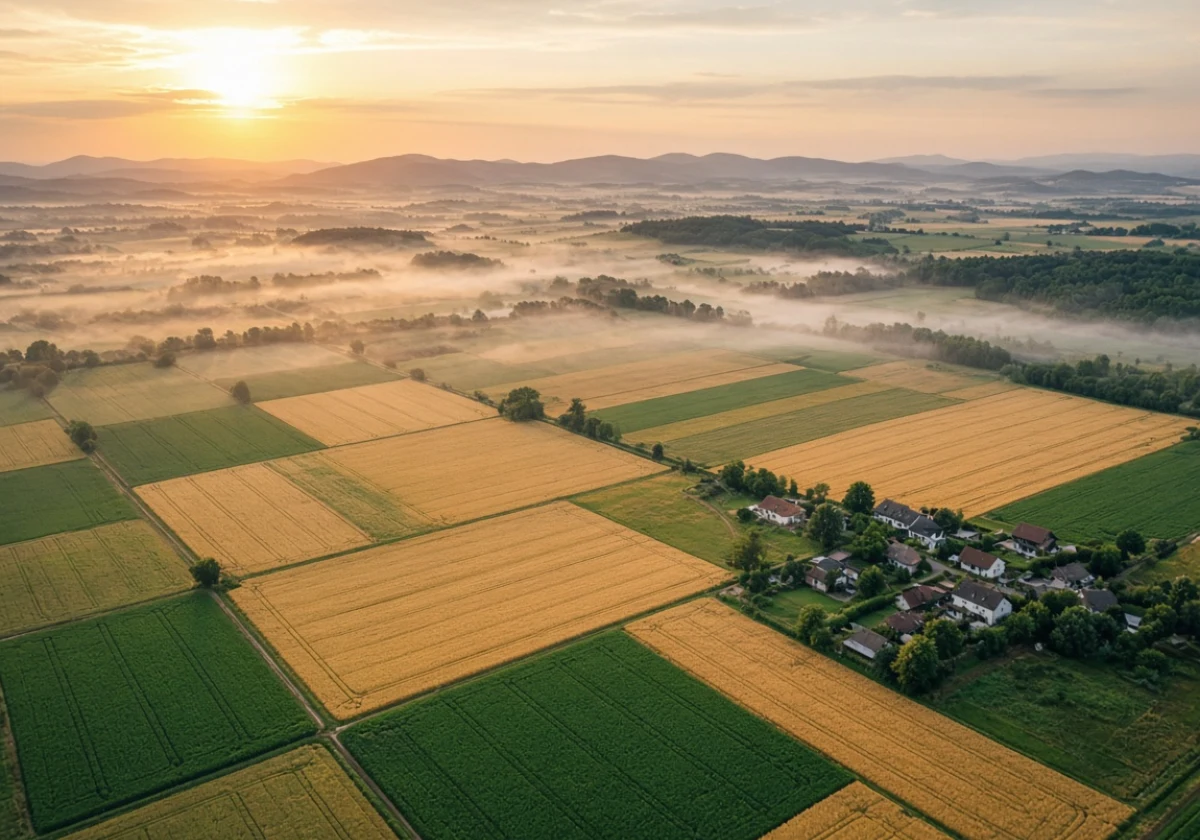
Protecting agricultural land secures food production, local jobs and open space for future generations. Farmland also provides fertile soil that takes centuries to develop but can lose its farming value when houses and roads cover it.

Despite its value, farmland faces growing pressure as towns spread outward and land prices climb. Many landowners aren’t aware of the planning controls and conservation agreements that may help protect their property from unsuitable development.

To help landowners understand their choices, this guide explains why farmland preservation is important for Australian communities. You’ll also learn how different protection options work and what steps landowners can take to protect their property.

Agricultural Land Preservation Protects More Than Just Farmland

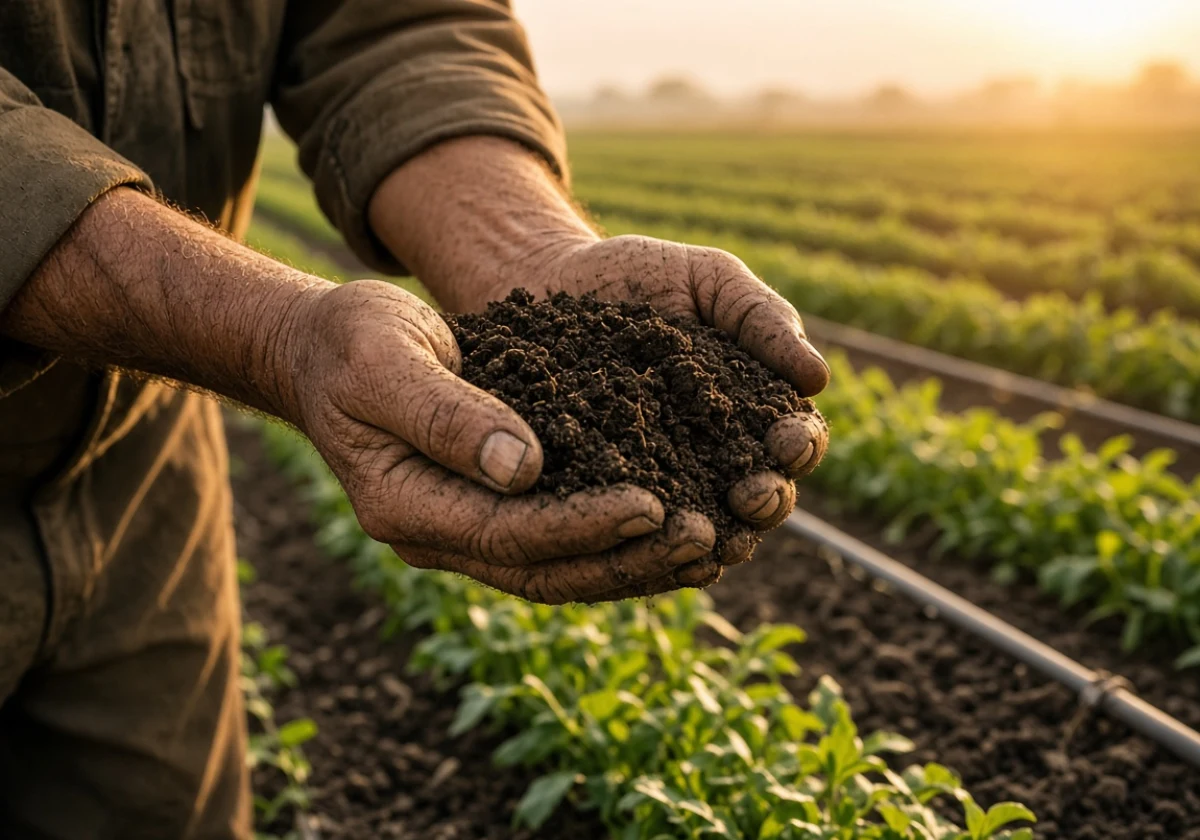
A farmer holding a handful of soil

Agricultural land preservation keeps that ground working. It also props up the local economy, the food supply and the soil itself, a natural resource no district can order in.

The need to protect farmland becomes clearer when you look at three main concerns:

Why Prime Farmland Keeps Disappearing

Prime farmland disappears because flat, well-drained soil suits builders as much as it suits farmers. As demand for this land grows, developers offer higher prices that can tempt farmers nearing retirement.

Adding to this pressure, new roads and sewer lines can raise land values before developers build any houses. As housing expands into these areas, farmers may lose access to land that once supported agricultural production.

Over time, these pressures lead to the steady loss of farmland, and reversing the damage is difficult. Australia’s State of the Environment 2021 report identifies urban expansion as one of the pressures on agricultural land, particularly around growing cities.

With so much farmland already lost, protecting what’s left is important because developed land is difficult and costly to restore.

Food Security and Local Jobs for Future Communities

Food security starts close to home, since nearby farms shorten the trip between paddock and plate. When a county loses its farmers, food may need to travel farther, which can raise prices. That’s why local planners are starting to see farmland as an important part of the food supply.

Besides growing food, farms also support many local jobs. Mechanics, feed suppliers, vets and truck drivers all rely on farms for work. When farms close, nearby shops may also lose customers as fewer people work in the area.

For future communities, affordable farmland is just as important. Land with permanent development restrictions may sell for less because buyers have fewer options for its use. This gives younger farmers a better chance to buy land and keep farming.

Sustainable Farming Starts with Protected Soil

Healthy soil needs long-term care, and protecting farmland gives farmers more reason to look after it. When farmers know their land will stay in use, they’re more likely to grow cover crops and rotate crops to protect the soil.

These practices can also help soil absorb rainwater and reduce runoff into nearby streams. For extra support, farmers can contact their local Natural Resource Management (NRM) organisation for advice on soil and water conservation. Some organisations can also help them find funding opportunities for conservation work.

However, long-term access to farmland isn’t always certain. Short leases and the risk of future development can make it harder for farmers to plan soil improvements that take years to deliver results.

How Conservation Covenants Work

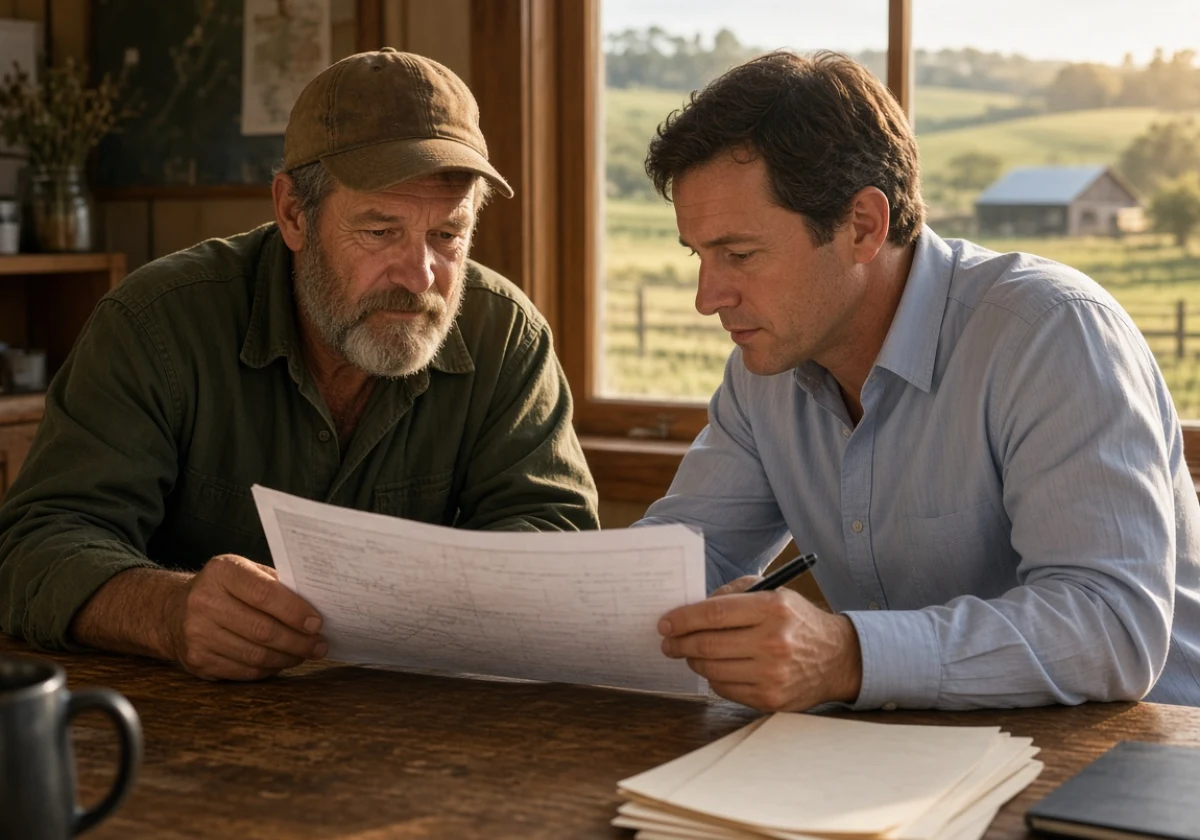
A farmer and county assessor reviewing conservation covenants

Conservation covenants are legal agreements that protect a property’s environmental values while the landowner keeps ownership. Depending on the agreement, they may restrict clearing, development or other activities that could damage protected areas.

In practice, an authorised conservation organisation or government agency works with the landowner to assess the property. They identify which environmental features need protection and agree on suitable land management conditions.

Once registered on the property title, a permanent covenant generally applies to future owners. You can still sell the property, pass it to your children or lease it out. However, anyone using the land must follow the agreement’s conditions.

To help protect the land, the responsible organisation may provide management advice and monitor compliance with the agreement. Some programs also offer financial support for conservation activities. So you should check whether any restrictions could affect how you use your land for farming.

Note: Some conservation programs offer payments to landowners, while eligible conservation covenants may qualify for tax concessions. The Australian Government’s guidance explains the tax rules and eligibility requirements.

Getting Involved in an Agricultural Land Preservation Program

A farm property ready for inspection

Landowners can start by exploring which protection options suit their property and long-term plans. Australia doesn’t have one standard farmland preservation program covering every state. Requirements depend on local planning laws, conservation programs and how the land is used.

The process usually involves four main steps.

  1. Check Your Eligibility: Start by contacting your local council or reviewing its planning maps. Check your property’s zoning, permitted uses and existing development restrictions. These details can help you understand which protections already apply.
  2. Explore Available Protection Options: Contact your state’s planning or environment department to learn about relevant programs. You can also approach an authorised conservation organisation if your property has environmental features that need protection. Ask about eligibility, costs and available financial assistance.
  3. Arrange a Property Assessment: If you’re considering a conservation agreement, the organisation may assess your land’s environmental values and current use. Discuss how proposed restrictions could affect farming, future development and property transfers before proceeding.
  4. Review and Finalise the Agreement: Seek independent legal and financial advice before signing a binding agreement. Check the restrictions, ongoing responsibilities and conditions for future owners. The responsible organisation can then explain the registration process.

Before proceeding, gather your property records and consider how you want to use the land in the future. These details can help you discuss suitable options with the relevant organisation.

Land Conservation Options Compared: Covenants, Zoning and Land Trusts

Besides conservation covenants, other land protection options offer different levels of protection, which confuses many landowners. Some agreements provide permanent restrictions, while local planning rules can change over time.

The table below puts three common options side by side.

OptionWho manages itHow long protection lasts
Conservation covenantLandowner and authorised covenant holderPermanent covenants generally bind future owners
Agricultural zoningState and local planning authoritiesCan change through planning amendments
Land trust ownershipConservation organisation or land trustDepends on ownership and any legal protections

As the table shows, each option protects land in a different way. Agricultural zoning can limit unsuitable development in farming areas, while conservation covenants protect specified environmental values.

Land trusts may also purchase or manage properties for conservation purposes. But their main goal may be protecting natural habitats rather than keeping land in agricultural use.

Help Keep Local Farms Part of Your Community’s Future

Protected farmland helps communities maintain local food supplies, support farming jobs and preserve open spaces. Without suitable protection, farms may give way to housing and roads, leaving future generations with less land to grow food. However, landowners can explore several options to help preserve their properties.

To help you understand these options, we’ve covered the benefits of farmland preservation and how conservation covenants work in Australia. We’ve also explained the steps for exploring land protection programs and compared the available approaches.

For further guidance, Avalon Acres offers advice on protecting working farmland for future generations. Contact our team to discuss how you can keep your property in agricultural use and protect your farm’s future.