
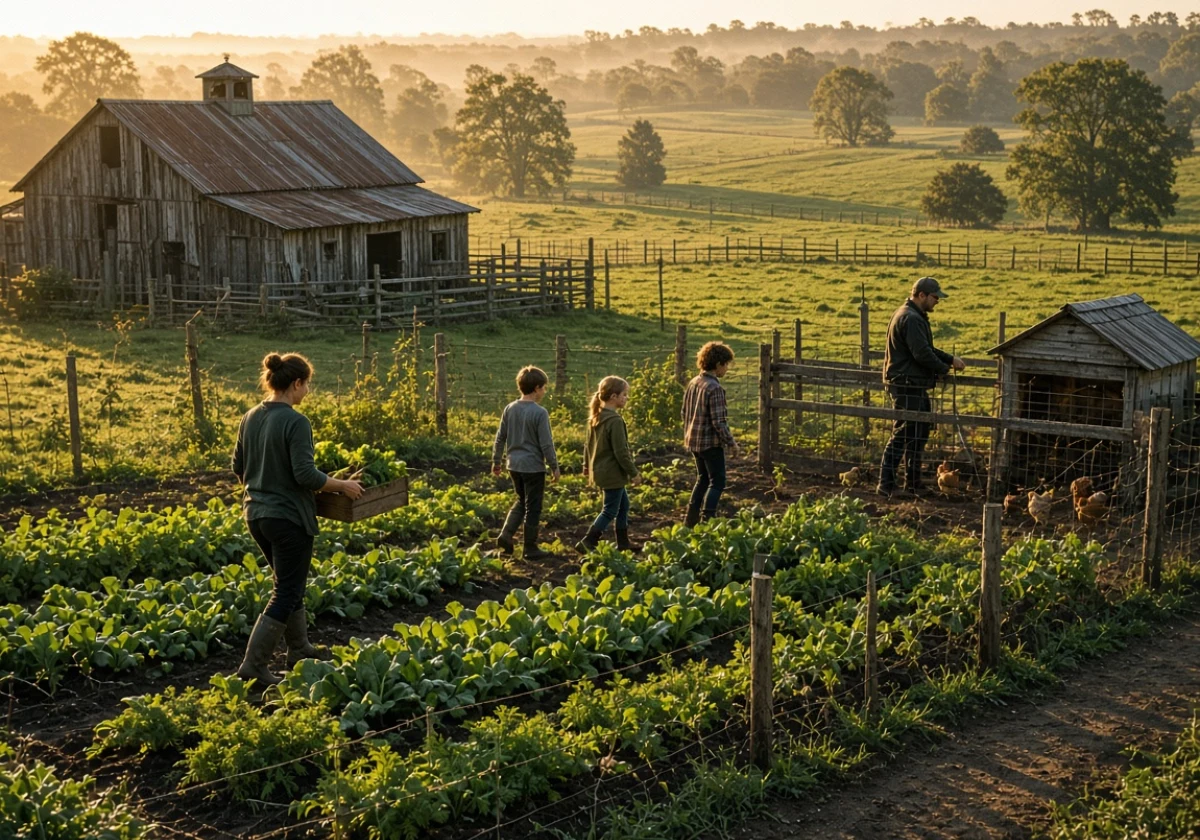
Small farms support learning beyond traditional classrooms by giving children real tasks, animals, and food systems to work with. For example, children can use classroom maths to measure animal feed and explore plant growth as they sow seeds and monitor seedlings.
But planning a farm visit raises questions for teachers. Will the activities suit their year level, support classroom lessons and keep children safe? And before booking, teachers need to know what to ask the farm and how to assess its answers.
At Avalon Acres, we run farm education programs for schools across the region, and these are the questions teachers ask us before every booking.
This guide covers:
- What kids learn on a working farm
- Which programs Australian schools can book
- How farm work builds confidence
Read on and see what to check before you lock in a date.
Taking Education Outdoors on a Real Working Farm
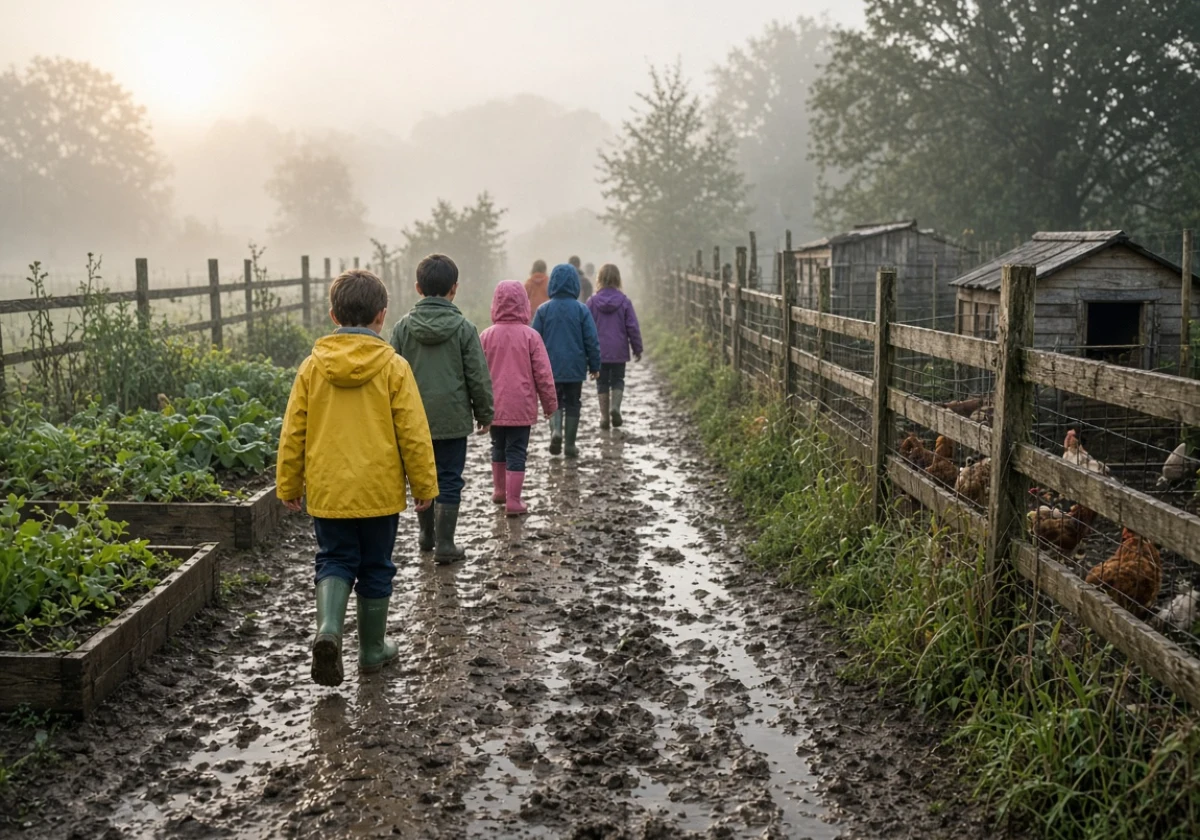
Most children can name five apps before they can name five vegetables growing in a paddock. That gap isn’t a failure of schools, because classroom lessons give children limited opportunities to see crops grow or help care for them. Outdoor education helps children identify crops and learn how farmers grow them through lessons in fields and vegetable gardens.
On a small working farm, the scale does half the work. Kids can walk the whole property before lunch, so they see how the chickens, the compost heap and the vegetable beds feed each other. Large-scale agriculture teaches volume. A small farm teaches how each part of the property feeds the next.
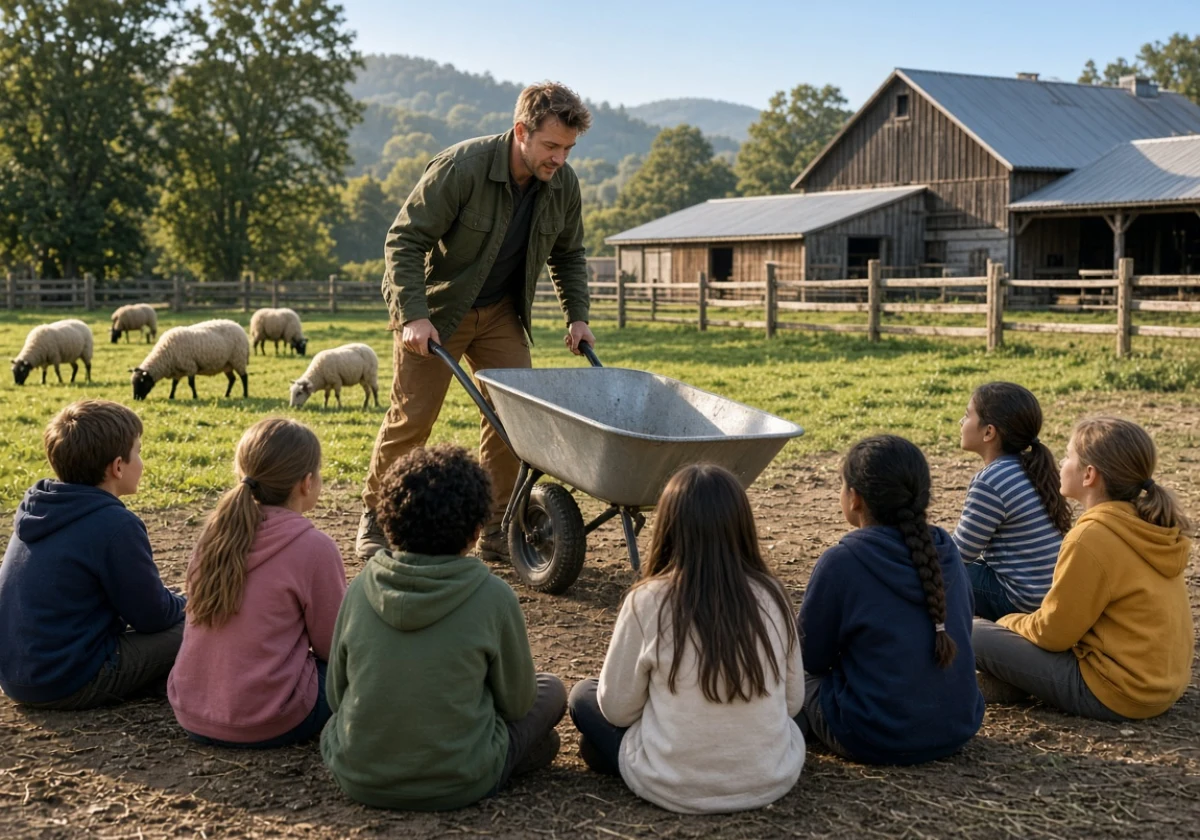
To help children explore those connections, start the visit with a task such as collecting vegetable scraps for the compost heap. Give every child a job straight away, and the questions start before morning tea (the wheelbarrow turns out to be a reliable icebreaker).
Those hands-on tasks also explain why farm visits work with mixed groups. Someone who finds reading hard can still read a sheep’s body language. Plus, a child who rarely speaks during classroom discussions may feel comfortable explaining how they noticed a sheep becoming unsettled.
At the end of the day, photos, seed packets and a jar of compost from the visit carry the learning back into the classroom for weeks.
What Do Children Learn From a Day of Hands-On Activities?
Children learn where food comes from, how farmers care for farm animals, and what a day of real work takes. One visit will not make anyone a farmer, but it swaps a vague idea of agriculture for things children have touched, smelled and lifted.
Explore how farm activities teach food production and animal care, and help children remember those lessons:
Where Food Comes From: Food and Fibre Production Up Close
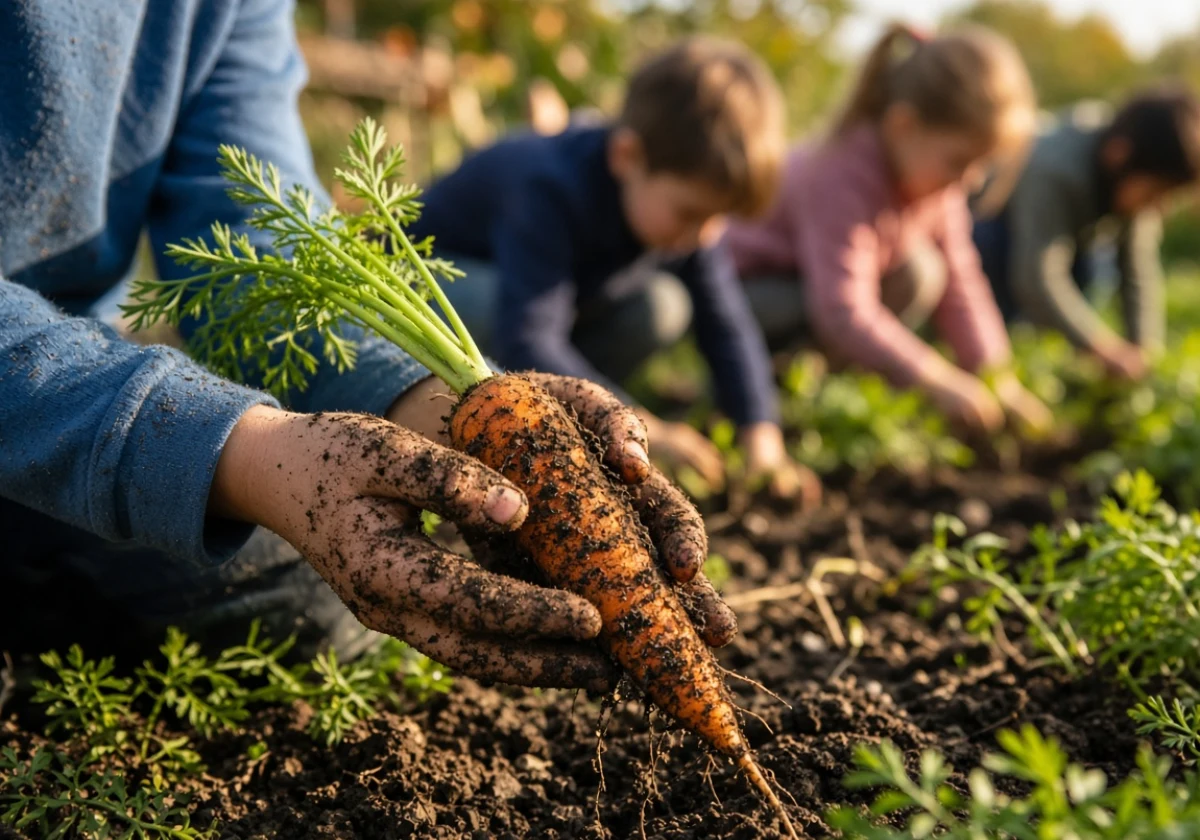
On a farm, students pull a carrot, wash it, and eat it within minutes, which no diagram manages. Fibre tells the same story, since the fleece on a sheep’s back started as grass in that same paddock.
The questions get sharper on their own when kids ask why one bed grew well, and the next didn’t. These questions open up ideas on soil, water and pollination without anyone calling it science.
Later in the visit, children prepare farm produce for eating or sale. They practise maths when counting eggs and sort them into cartons. Activities like these help children connect individual farm tasks with the food supply across Australia.
The filled cartons also show how farmers prepare food for households. Across Australia, farms supply almost 93% of the food people eat, according to the National Farmers’ Federation.
Animal Care: Reading What Livestock Need
Before anyone fills a feed bucket, students learn to read the animal. Ears forward, tail flicking, hens crowding the gate at the same hour, each signal tells them something different. For instance, ears forward, tail flicking, hens crowding the gate at the same hour.
Those observations help students decide how to approach the animals before feeding them. They also learn how much feed goats need and why summer heat increases their need for drinking water.
Children practise patience as they wait for goats to approach on their own terms. Gentle handling comes next, when an adult helps them hold a chick. Their observations can extend to native wildlife too, with magpies overhead prompting questions about how wild birds find food around the farm.
Learning Experiences That Stick Longer Than a Worksheet
Students remember the weight of a full water bucket long after they’ve forgotten a slide about irrigation. Hands-on activities also give slower starters somewhere to shine. That’s why whoever drifts off during a worksheet is often the first one to spot the limping sheep.
Then there’s the retelling, which gives children another chance to recall what they learned. On the way home, they describe the animals they met and explain the tasks they completed to classmates (the bus ride home gets loud for a solid hour).
Farm Education Programs: What Schools Can Book in Australia
The best part about curriculum-linked programs is that teachers can book them without rewriting a term plan. Farm education providers across Australia usually map their sessions to the Australian Curriculum before your class arrives. Most align with the food and fibre production strand.
Match your year level to the program types below, then check what fits the time you’ve got.
| Program Type | Best For | What Students Do |
|---|---|---|
| Farm tours, half day | Years K to 2 | Meet farm animals, collect eggs, walk the paddock |
| Paddock to plate workshops | Years 3 to 6 | Harvest, cook and taste what they’ve picked |
| Agriculture and STEM sessions | Years 7 to 10 | Test soil, measure growth, explore farming careers |
| Incursion programs | Any year level | Farmers bring animals, resources and activities to school |
Each farm school program runs on its own clock: a half-day farm tour for the youngest groups, a full day for older ones, or an incursion program when the bus budget won’t stretch. Some providers also run a dedicated education centre on site, which helps when wet weather closes the paddocks.
Older groups can push further into farming practices, comparing organic farming with the conventional beds a few rows over. That comparison gives students a reason to ask how each method affects soil and water use.
They can also compare recently grazed paddocks with rested ones to see how rotation gives grass time to recover. Seasonal shifts prompt questions too. Students often ask why the planting calendar keeps moving, which opens a conversation about how changing weather patterns affect farming.
Quick Suggestion: Providers list their programs, costs and booking windows online, so compare two or three providers before you commit. Flag any access needs early, since a real working farm can usually change the route for your group.
Agricultural Learning Builds Confidence That Classrooms Rarely Reach
In our experience, students still talk about farm excursions weeks later. They often recall the jobs they took responsibility for, such as feeding hens or watering seedlings (gumboots, not sneakers, no matter what the forecast says).
These shifts show up again and again once students spend a day working on the land.
- Jobs That Can’t Be Faked: Animals notice when a student rushes, and that feedback arrives without a teacher’s voice attached. Hens move away from a quick approach, and children learn to slow down and give the birds space on their own. No marking rubric delivers that lesson as clearly.
- Confidence Outside The Ranking: Nobody scores a child on how well they carry a feed bucket. Without marks attached, children who rarely speak in class often step forward to lead the task. That shift surprises teachers who have only seen the child in a classroom setting.
- Risk At A Safe Size: Walking near a cow for the first time feels genuinely daunting to a seven-year-old, even with an adult beside them. Completing that walk gives them a reference point the next time something unfamiliar comes up. They have already done one hard thing, and they know what it felt like to get through it.
- Connection To Land And Food: Once a child has grown something, food stops being an anonymous package in the canteen queue. They start asking who grew the rest of it.
If you want that confidence to carry back into class, give students a job to report on at school. Five minutes at the front of the room stretches a single farm day across a term of talking points.
Book a Farm Tour for Your Class This Term
A day on a small farm gives students learning that doesn’t fit inside a classroom. They leave knowing where food comes from and what caring for animals asks of them.
Term dates fill quickly, so pick your week early and ring the farm before the risk assessment. Ask what the program covers, what students wear, and how the day runs in wet weather.
Avalon Acres welcomes school groups onto a working farm for hands-on learning about food, animals and farming life. Contact us to talk through dates, year levels and what your class needs from the day.