
The costliest backyard renovation mistakes come from poor drainage, rushed planning, and choosing plants that fail within a year. Each one looks small on the quote, then costs thousands to undo once the concrete’s down.
Before renovation, you probably started with a picture in your head rather than a plan on paper. That gap can lead to budget overruns, because changing a finished yard may mean removing paving, relocating plants, and paying for labour again.
This backyard planning guide covers:
- How water moves across your block
- Why plant choices fail
- Where pool budgets go wrong
You’ll also see which errors a professional catches before the digging starts. Let’s get started.
Why Do Backyard Renovation Mistakes Cost Homeowners So Much?
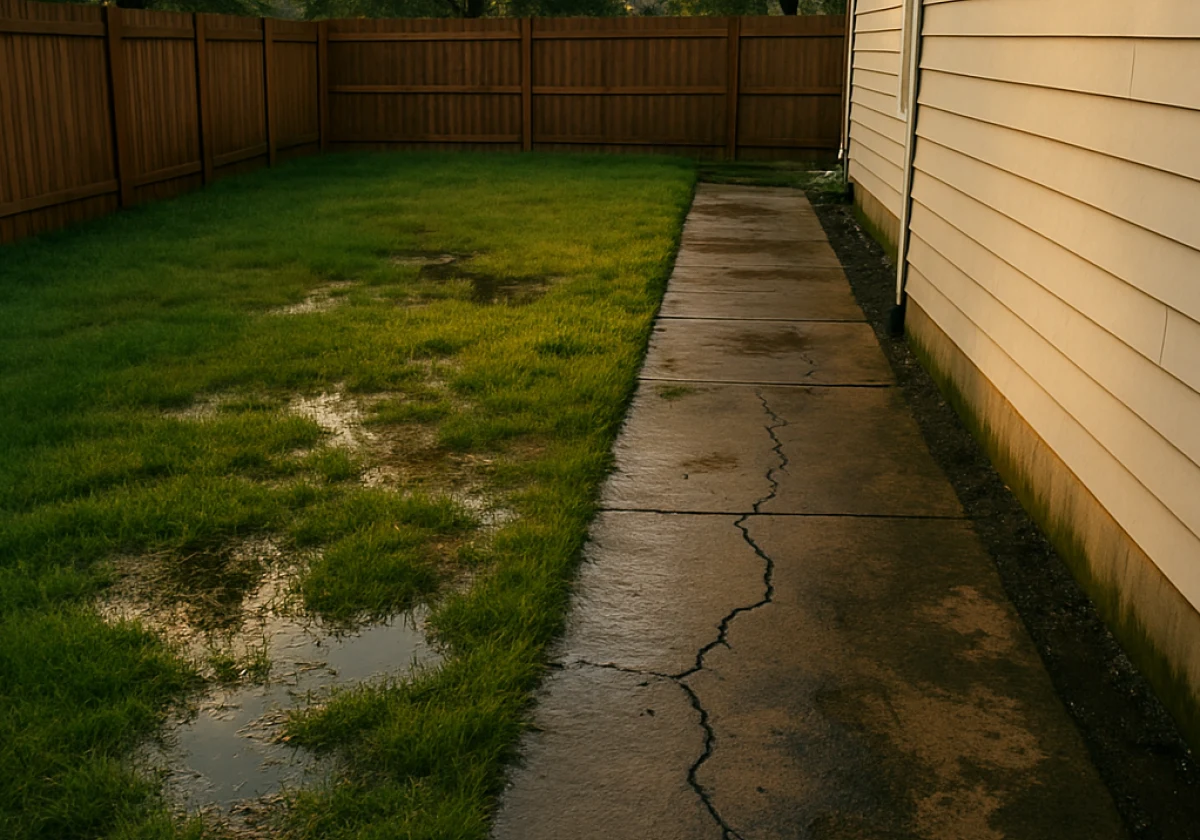
Landscaping mistakes cost homeowners thousands because drainage damage, dead plants, and rework often exceed the original project budget. None of that appears on the quote you signed. Poor drainage later leaves lawns soggy and paving cracked, while unsuitable plants may die and leave gaps in garden beds.
Generally, backyard rework means paying twice for the same square metre, once to build it and once to pull it up. Established trees, paving and decking all come out before anyone reaches what sits underneath. Ongoing maintenance costs climb too, since a yard fighting its own water needs constant patching.
If you’ve ever watched a lawn turn to mud after one storm, you already know how quickly that damage spreads. On the finished blocks we’ve visited, homeowners who checked the soil before choosing plants often avoided costly drainage repairs and replacement planting.
However, homeowners sometimes work the other way round. They buy plants first and then decorate the ground around them (and nobody ever budgets for doing the same job twice). That order can be a mistake, as the soil and drainage may not suit the plants they’ve already bought.
Beyond repair costs, poor garden design affects resale appeal. Buyers may see a struggling yard as work they’ll need to pay for, which can discourage offers. Some of these problems begin when homeowners rush decisions or start DIY landscaping before planning drainage, soil preparation, and plant placement.
Poor Drainage Will Ruin Your Yard Faster Than Anything Else
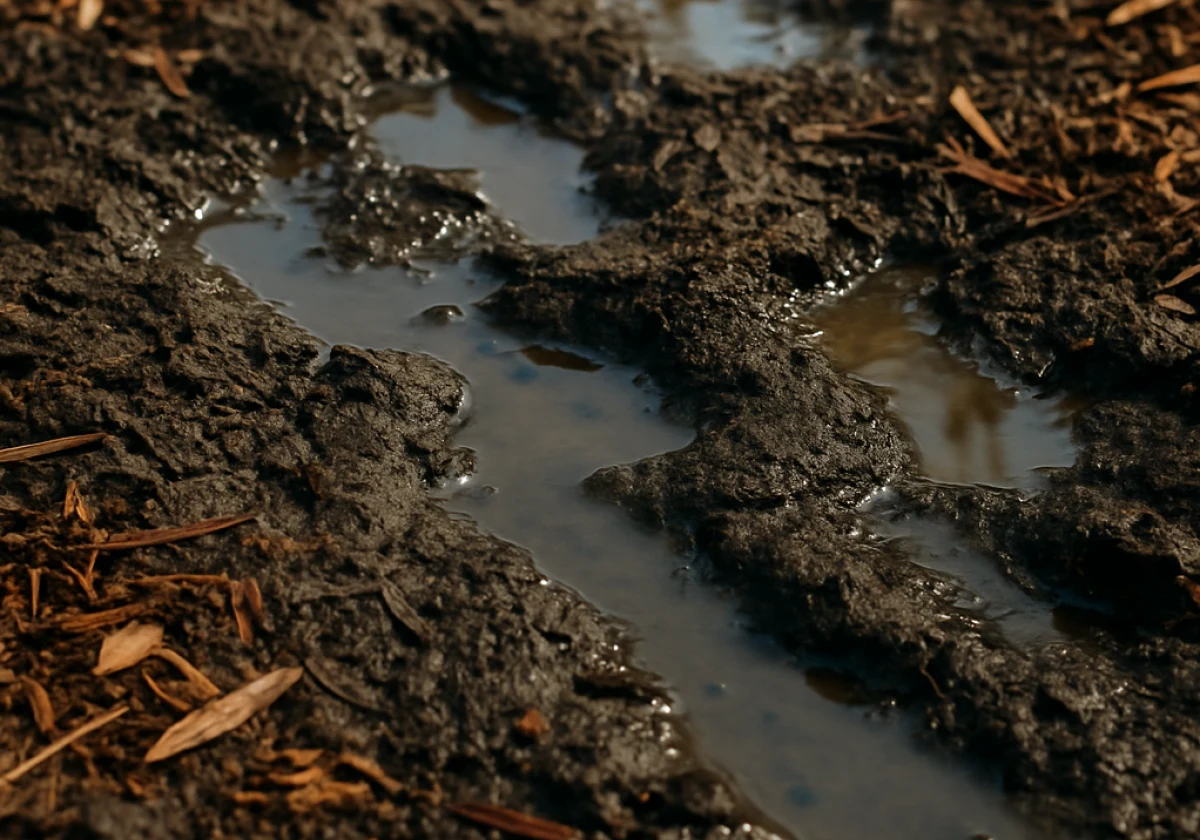
Water finds every weak spot in a yard, and many homeowners never check where it flows before building. But poor yard drainage costs more to fix than any plant you’ll replace, which is why a landscape designer walks a block in the rain.
Below, you’ll see what the damage looks like, how to read your ground, and when a wall earns its cost.
How Drainage Issues Damage Foundations and Garden Beds
Drainage issues damage foundations by holding water against the slab until the soil beneath swells and shifts. Those shifts later turn up as hairline cracks in the footpath, the brickwork and tiled floors inside. The risk of soil movement extends across Australia, where 20% to 30% of surface soils are expansive or reactive. These soils swell when wet and shrink as they dry.
Poor drainage can also leave garden beds waterlogged long after rain stops. Roots sitting in saturated soil can rot, and plants that looked healthy in spring may collapse by autumn.
Once poor drainage affects the footings, repairs can extend beyond the garden to the house itself. You may need underpinning to stabilise the foundation, along with repairs to cracked brickwork and floors. New turf won’t address those structural problems.
Reading the Slope and Underlying Soil Before You Build
A dry-day inspection won’t show you where water collects in your yard. During rainfall, watch where runoff flows, then mark any spots where it pools afterwards.
After that, check the underlying soil with a spade. Naturally, clay holds water and drains slowly, while sandy soil lets it pass through more readily. To check for changes in soil type, dig two holes in different parts of the block. Comparing both spots helps you avoid choosing a drainage approach based on just one area.
From there, set the grade so runoff leaves the house instead of pooling against it. Even a slight fall across a lawn moves surface water away before it soaks in.
Reducing hard paving also limits runoff, as unsealed areas let rain soak into the ground. This reduces the surface water your yard needs to drain, as government stormwater guidance explains.
Do You Need Retaining Walls on a Sloped Block?
Yes. You need retaining walls on a sloped block when erosion keeps shifting soil downhill, or you want flat, usable ground. That’s because steep slopes rarely hold topsoil through a heavy summer storm.
However, a wall is a structure rather than a garden feature. Builders place gravel and a drainage pipe behind the wall to let trapped water escape before pressure builds.
We’ve seen retaining walls fail when builders omitted the drainage pipe behind them. Trapped water increases pressure until the wall moves outward. So installing drainage during construction helps avoid the expense of rebuilding a damaged wall.
Don’t Choose Plants Without a Planting Plan

A planting plan helps you choose plants that suit your soil, sunlight and available space before you visit the nursery. It’s easy to fill a trolley with plants that look good now but will outgrow the bed as they mature.
These details decide whether your plants last past their first winter.
- Match Growth Habits: Check the mature width and height before you buy rather than the pot size. For context, shrubs sold at knee height can spread two metres across a path, and overcrowding then forces you to pull healthy plants out to save the rest.
- Right Spot, Right Species: Sun, shade and soil decide survival more than watering ever does. Plants often die because someone put a full-sun species under a dense tree, where the leaves never catch enough light to feed the roots. To prevent this mistake, walk the areas you’re planting at midday and note what stays shaded.
- Plan For Seasonal Colour: Buying everything that flowers in spring leaves bare sticks for months. Instead, mixing evergreens with flowering shrubs keeps beds visually appealing through winter. Remember, nurseries stock whatever blooms that week, so shop from your list.
Quick Tip: Sketch your garden beds, mark sunny and shaded areas, and allow enough space for each plant’s mature size. You’ll avoid overcrowded beds and the expense of moving plants as they grow.
Pool Installation Errors: Where Outdoor Living Budgets Go Wrong
Pool installation errors rank among the most expensive backyard renovation mistakes. And the repairs cost far more than the shortcut that caused them.
Outdoor living areas can also need costly changes when homeowners overlook space for furniture and guests. Why? Because a patio may fit a dining table but leave too little room to pull out chairs or walk past seated guests (the furniture test beats the drawing every single time).
The table below pairs each error with the bill that follows it.
| Error | What it costs you |
|---|---|
| Pool set in a low, wet corner | Groundwater pressure, constant debris, extra pumping |
| Seating areas sized by eye | Chairs that won’t pull back from the table |
| Paving laid before services go in | Lifting new stone to run power and plumbing |
Every landscape design error here starts with layout rather than materials. To prevent it, start by allowing enough room to pull chairs back and walk around the table.
With furniture positions in place, mark where lighting needs conduit beneath the paving. Confirm these details before construction begins to avoid lifting pavers or cutting concrete later.
Plan Well Now and Save Thousands Later
A beautiful landscape starts underground, with drainage and soil, long before you pick a single plant. Get that order right, and the rest of the work holds its value.
So walk your block after the next downpour and note where water sits. That one observation affects every decision you’ll make about your outdoor spaces.
Ready to plan properly? Avalon Acres shares practical guidance for homeowners planning their own backyard projects. Contact us for help reading your block before you build.