
Land-based living creates a different connection with everyday life because food, home, and routine all follow the land. Your day bends around daylight, soil and weather instead of a train timetable.
Plenty of people feel that pull but stall on the practical side, unsure what changes first. Avalon Acres hears the same questions from families weighing up a move out of the capital cities.
This guide covers how mornings and meals shift on rural land, why community ties tighten, what sustainable living does to your bills, and how city and country compare on nature. Start with the part of the day that shifts first.
Land-Based Living Changes the Rhythm of an Ordinary Day

People who make the move often notice change within weeks, and it starts before breakfast. Food, sleep, and the way you plan an ordinary Tuesday all shift with it.
Three parts of the day show it most clearly, so let’s take them in order.
Why Mornings on the Land Feel Different
Mornings start with the land, not the commute. You check the water, inspect the fences, and look at the weather before opening your emails. These simple tasks give you time outdoors before the workday begins.
Starting the day this way can lift your mood, and even your coffee tastes better outside the back door. Work still needs your attention, but you can ease into it after spending time outdoors and getting something done with your hands.
After a few months, this routine will become a natural part of your day. You may even find yourself checking the sky before looking at the clock.
How a Farm Lifestyle Changes What You Eat
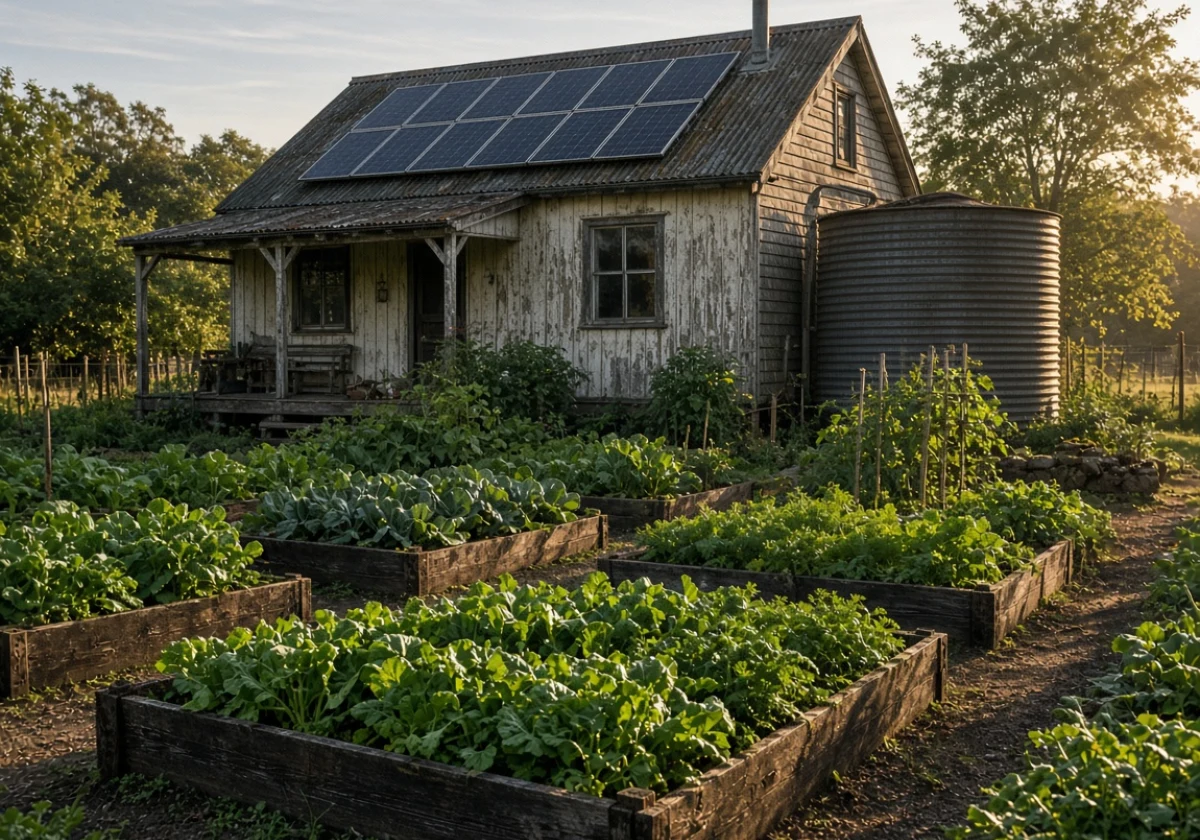
Living on a farm can change how you shop and plan meals. When you grow your own food, you start with what’s ready to harvest, so your meals follow the seasons rather than what’s available at the supermarket.
For example, you might harvest silverbeet in July and find yourself with more tomatoes than your family can eat in February. If you’ve only grown plants on a balcony, harvesting from a full garden bed can feel like a real achievement. Over time, you learn to plan meals around what grows well and when each crop is ready.
Growing your own food reduces waste because you can pick what you need and use it while it’s fresh. You also know when each crop was planted and how the weather affected its growth, which gives you a better understanding of the food you eat.
Afternoons Slow Down Without You Trying
Afternoons move at a slower pace on a farm because the work takes as long as it takes. Fencing, planting and repairs can’t always be rushed, so you learn to plan your day around the land’s needs rather than a strict schedule.
As you settle into this routine, you start measuring your day by the jobs you finish instead of the meetings you attend. From what we see on acreage blocks across Australia, many newcomers find themselves checking the clock less often as they adjust to this change in pace.
That doesn’t mean farm life leaves you with less to do. You’re still busy, but your priorities follow the seasons and the work that needs attention rather than a packed calendar.
Why Does Community Grow Stronger in Rural Living?
Community grows stronger in rural living because neighbours rely on each other for food, labour, and daily support. Once the daily rhythm settles, that second shift becomes obvious, and the nearest hardware store sitting 40 minutes away speeds it along. Ask someone a year into land-based living, and they’ll mention the neighbours before the view.
Three habits do most of the work in small communities:
- Help Arrives Without Asking: After a storm damages a fence, a neighbour may arrive with a ute and wire to help with repairs. Lending a hand becomes part of rural life because everyone needs support at some point.
- Older Hands Pass On Skills: Plumbing, welding and grafting knowledge move between homes instead of sitting behind an invoice. One person teaches, and another returns it in produce or labour.
- Working Bees Build Trust: Community gardens, bushfire planning and a local Facebook group give residents a reason to swap ideas, which is how a sustainable community holds together. Many groups open the day by acknowledging the traditional custodians of the land. Aboriginal and Torres Strait Islander knowledge of fire, water and season still informs how people work a block.
You don’t need to join a formal group to feel part of the community. While intentional communities may organise shared tasks through rosters and development plans, rural neighbours often build lasting connections through everyday favours. Joining a working bee is a simple first step towards getting to know the people around you.

Choosing Sustainable Living on Your Own Patch of Land
The best part of sustainable living is watching your power bills shrink while your veggie garden takes off. Solar panels, a rainwater tank and a decent compost system carry most of that load, and they pay you back every quarter.
These savings give you more control over where your water, power and food come from. That level of independence can be harder to achieve in a city apartment, where space and access to natural resources are limited.
However, having the right equipment won’t help much if the property itself doesn’t suit your plans. Soil quality, sunlight, and water access all affect what you can grow. Walking the block in winter reveals drainage problems, while local residents tell you which areas flood after heavy rain.
The property type you choose also affects how you manage these resources and share the costs. Intentional communities, such as ecovillages and cohousing projects, share some infrastructure and expenses. Standalone acreage offers more privacy, but you’re responsible for maintaining the land and its facilities yourself.
Land lease communities offer a different balance. You own your home but lease the land beneath it, which can lower the upfront cost. Some communities share paddocks, halls and workshops as well. This helps residents spread maintenance costs rather than managing every facility individually.
Your other options include buying land outright or choosing a house and land package on acreage. Ecovillages, lifestyle communities and community land trusts across NSW and Victoria offer different ways to approach shared resources and sustainable living, so it’s worth comparing how each model operates before deciding.
Before committing to a property, look beyond the real estate listing. Soil quality, winter sunlight, drainage, and the surrounding environment can all affect your plans for sustainable living. Ask the agent for these details, then speak with nearby residents who can explain local conditions and help you understand how the land performs throughout the year.
City Versus Country: Comparing the Connection With Nature
Now that you know what rural living offers, it helps to see how it stacks up against city life. Both can work, though each gives you contact with nature in very different doses.
How much you get is the part worth watching, because one study of time in nature linked at least 120 minutes a week with good health and wellbeing. That dose does as much for mental health as it does for fitness, and a country block hands it to you before breakfast.
The table below sets the daily differences side by side.
| Everyday Moment | City Home | Country Home |
|---|---|---|
| Morning view | Rooftops and traffic | Paddocks and sky |
| Food | Supermarket aisles | Garden beds and farm gates |
| Neighbours | Shared walls, few names | Fewer homes, more contact |
| Space | Courtyard or balcony | Room for trees and stock |
Neither column wins outright, and plenty of people split the difference with a small village or a block near a regional town. Whichever you pick, it should suit your Wednesday, not the day you picture on holidays.
Swap the Commute for the Paddock
Living on the land changes your daily routine and brings you closer to your food, home and community. As you spend more time outdoors and get involved in caring for your property, your days begin to follow the seasons and the needs of the land.
You don’t have to settle everything at once. Visit a few areas, talk to locals, and spend a weekend on a block before you make the call.
Ready to find your own patch? Explore Avalon Acres for acreage homes and land that suit a slower, better-connected way of living.