
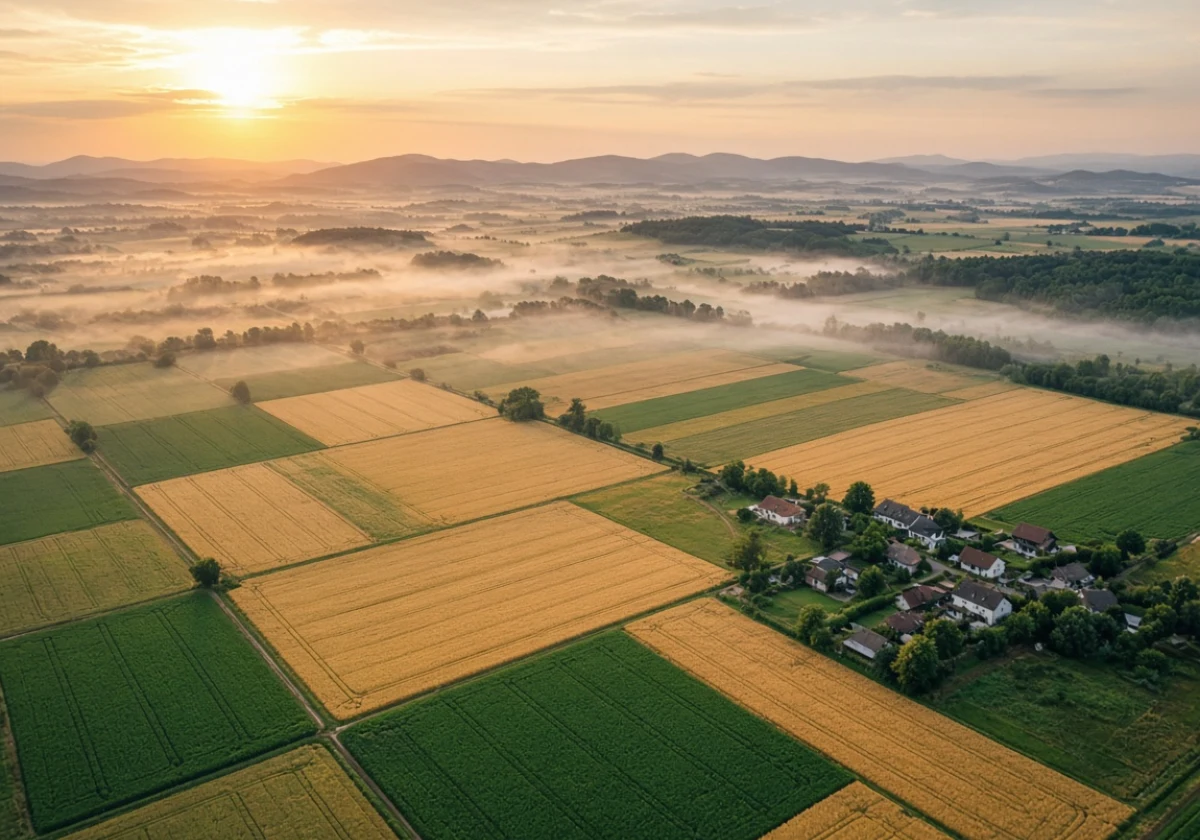
Protecting agricultural land secures food production, local jobs and open space for future generations. Farmland also provides fertile soil that takes centuries to develop but can lose its farming value when houses and roads cover it.
Despite its value, farmland faces growing pressure as towns spread outward and land prices climb. Many landowners aren’t aware of the planning controls and conservation agreements that may help protect their property from unsuitable development.
To help landowners understand their choices, this guide explains why farmland preservation is important for Australian communities. You’ll also learn how different protection options work and what steps landowners can take to protect their property.
Agricultural Land Preservation Protects More Than Just Farmland
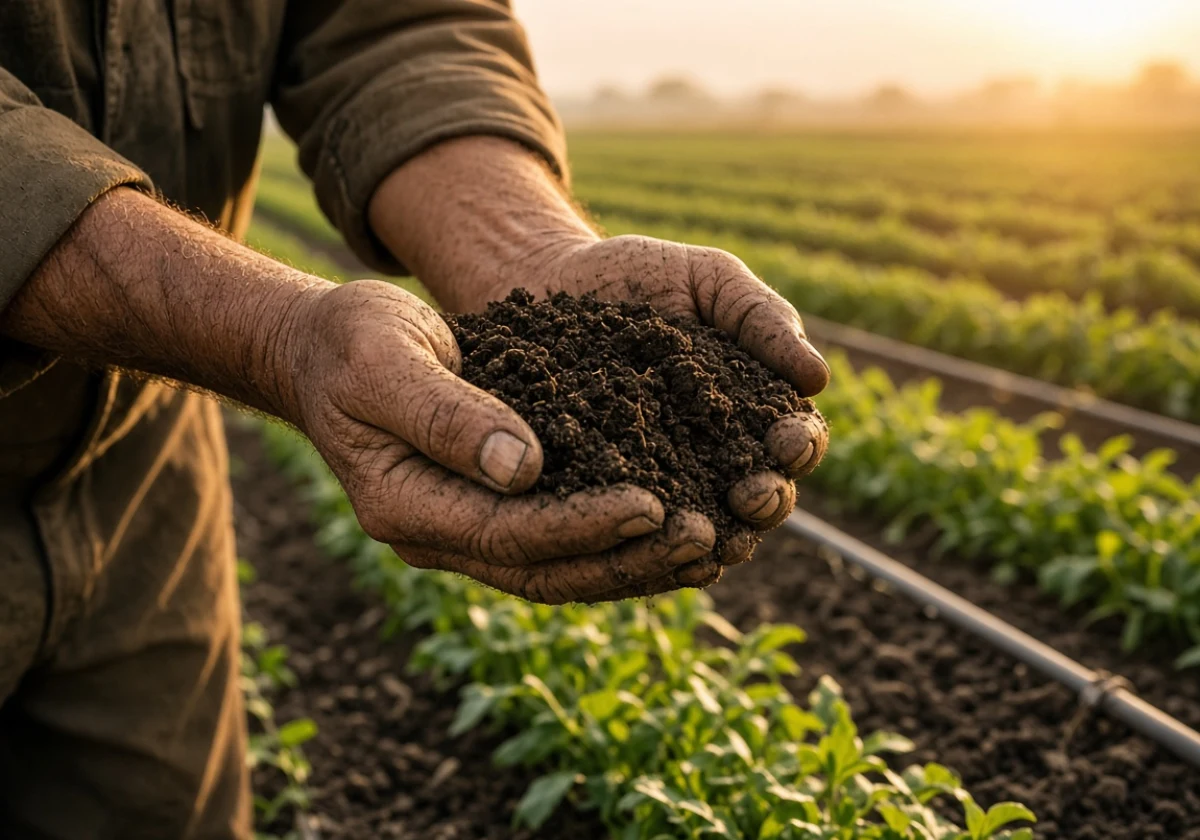
Agricultural land preservation keeps that ground working. It also props up the local economy, the food supply and the soil itself, a natural resource no district can order in.
The need to protect farmland becomes clearer when you look at three main concerns:
Why Prime Farmland Keeps Disappearing
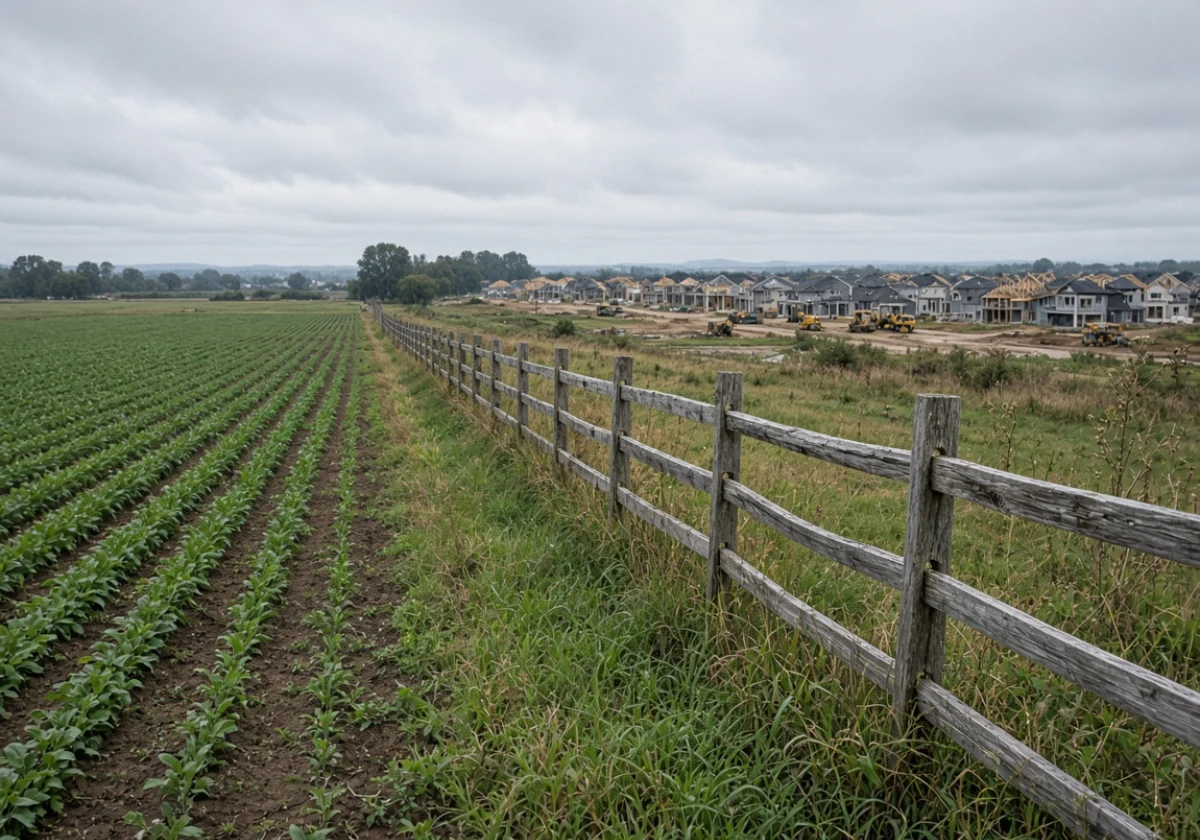
Prime farmland disappears because flat, well-drained soil suits builders as much as it suits farmers. As demand for this land grows, developers offer higher prices that can tempt farmers nearing retirement.
Adding to this pressure, new roads and sewer lines can raise land values before developers build any houses. As housing expands into these areas, farmers may lose access to land that once supported agricultural production.
Over time, these pressures lead to the steady loss of farmland, and reversing the damage is difficult. Australia’s State of the Environment 2021 report identifies urban expansion as one of the pressures on agricultural land, particularly around growing cities.
With so much farmland already lost, protecting what’s left is important because developed land is difficult and costly to restore.
Food Security and Local Jobs for Future Communities
Food security starts close to home, since nearby farms shorten the trip between paddock and plate. When a county loses its farmers, food may need to travel farther, which can raise prices. That’s why local planners are starting to see farmland as an important part of the food supply.
Besides growing food, farms also support many local jobs. Mechanics, feed suppliers, vets and truck drivers all rely on farms for work. When farms close, nearby shops may also lose customers as fewer people work in the area.
For future communities, affordable farmland is just as important. Land with permanent development restrictions may sell for less because buyers have fewer options for its use. This gives younger farmers a better chance to buy land and keep farming.
Sustainable Farming Starts with Protected Soil
Healthy soil needs long-term care, and protecting farmland gives farmers more reason to look after it. When farmers know their land will stay in use, they’re more likely to grow cover crops and rotate crops to protect the soil.
These practices can also help soil absorb rainwater and reduce runoff into nearby streams. For extra support, farmers can contact their local Natural Resource Management (NRM) organisation for advice on soil and water conservation. Some organisations can also help them find funding opportunities for conservation work.
However, long-term access to farmland isn’t always certain. Short leases and the risk of future development can make it harder for farmers to plan soil improvements that take years to deliver results.
How Conservation Covenants Work
Conservation covenants are legal agreements that protect a property’s environmental values while the landowner keeps ownership. Depending on the agreement, they may restrict clearing, development or other activities that could damage protected areas.
In practice, an authorised conservation organisation or government agency works with the landowner to assess the property. They identify which environmental features need protection and agree on suitable land management conditions.
Once registered on the property title, a permanent covenant generally applies to future owners. You can still sell the property, pass it to your children or lease it out. However, anyone using the land must follow the agreement’s conditions.
To help protect the land, the responsible organisation may provide management advice and monitor compliance with the agreement. Some programs also offer financial support for conservation activities. So you should check whether any restrictions could affect how you use your land for farming.
Note: Some conservation programs offer payments to landowners, while eligible conservation covenants may qualify for tax concessions. The Australian Government’s guidance explains the tax rules and eligibility requirements.
Getting Involved in an Agricultural Land Preservation Program
Landowners can start by exploring which protection options suit their property and long-term plans. Australia doesn’t have one standard farmland preservation program covering every state. Requirements depend on local planning laws, conservation programs and how the land is used.
The process usually involves four main steps.
- Check Your Eligibility: Start by contacting your local council or reviewing its planning maps. Check your property’s zoning, permitted uses and existing development restrictions. These details can help you understand which protections already apply.
- Explore Available Protection Options: Contact your state’s planning or environment department to learn about relevant programs. You can also approach an authorised conservation organisation if your property has environmental features that need protection. Ask about eligibility, costs and available financial assistance.
- Arrange a Property Assessment: If you’re considering a conservation agreement, the organisation may assess your land’s environmental values and current use. Discuss how proposed restrictions could affect farming, future development and property transfers before proceeding.
- Review and Finalise the Agreement: Seek independent legal and financial advice before signing a binding agreement. Check the restrictions, ongoing responsibilities and conditions for future owners. The responsible organisation can then explain the registration process.
Before proceeding, gather your property records and consider how you want to use the land in the future. These details can help you discuss suitable options with the relevant organisation.
Land Conservation Options Compared: Covenants, Zoning and Land Trusts
Besides conservation covenants, other land protection options offer different levels of protection, which confuses many landowners. Some agreements provide permanent restrictions, while local planning rules can change over time.
The table below puts three common options side by side.
| Option | Who manages it | How long protection lasts |
|---|---|---|
| Conservation covenant | Landowner and authorised covenant holder | Permanent covenants generally bind future owners |
| Agricultural zoning | State and local planning authorities | Can change through planning amendments |
| Land trust ownership | Conservation organisation or land trust | Depends on ownership and any legal protections |
As the table shows, each option protects land in a different way. Agricultural zoning can limit unsuitable development in farming areas, while conservation covenants protect specified environmental values.
Land trusts may also purchase or manage properties for conservation purposes. But their main goal may be protecting natural habitats rather than keeping land in agricultural use.
Help Keep Local Farms Part of Your Community’s Future
Protected farmland helps communities maintain local food supplies, support farming jobs and preserve open spaces. Without suitable protection, farms may give way to housing and roads, leaving future generations with less land to grow food. However, landowners can explore several options to help preserve their properties.
To help you understand these options, we’ve covered the benefits of farmland preservation and how conservation covenants work in Australia. We’ve also explained the steps for exploring land protection programs and compared the available approaches.
For further guidance, Avalon Acres offers advice on protecting working farmland for future generations. Contact our team to discuss how you can keep your property in agricultural use and protect your farm’s future.